‘#VYMARA’ Brings Internet Culture Into the Woods With a Bloody, Self-Aware Horror-Comedy
Creator-Led Feature Debuts at AMC Century City Ahead of Oct. 19 Theatrical Launch, Blending Found-Footage Frights With Online Satire
LAPost/Century City, CA (October 13, 2026) — By Richard Ren/LAPost
As internet-born horror continues to find its way onto the big screen, #VYMARA, a new horror-comedy from West Key Studios, is betting that the online world’s most recognizable personalities and subcultures can be just as frightening — and funny — as anything lurking in the woods.
The film held its VIP premiere Tuesday evening at AMC Century City 15, bringing together its writer-director, cast members and a roster of prominent digital creators ahead of its scheduled theatrical launch on Oct. 19. Presented in partnership with AMC Theatres, Live Nation’s Veeps and Tubi, with CAA representing the project, the premiere showcased a distinctly contemporary approach to independent genre filmmaking: a horror story shaped by livestreams, online conspiracies and the personalities who thrive on attention.
The screening was punctuated by laughter and screams, reflecting the film’s effort to balance its satirical take on internet culture with the visceral thrills of a conventional horror-comedy.
Written and directed by Paul Bukoskey, whose credits include A 90s Christmas, #VYMARA follows four washed-up online creators who venture into the woods to investigate the disappearance of a YouTuber linked to an internet conspiracy. The group includes a feminist true-crime podcaster, a manosphere conspiracy theorist, an internet comedian and a fashion influencer. Their search for the missing creator, played by Carrington Bornstein, known online as “swagnightmare,” leads them toward a sinister truth that was never meant to go viral.
The premise draws on the collision between digital celebrity and horror-movie isolation. The characters are accustomed to performing for an audience, but the woods offer a far more dangerous environment in which to pursue views, investigate rumors and maintain their online personas.
Bukoskey described the film as “a love letter to chronically online, Gen Z, internet culture,” emphasizing that its humor and horror emerge from recognizable corners of the digital landscape.
“Manosphere guy, feminist true crime podcaster, internet comedian, fashion influencer — literally every corner,” he said, describing the film’s cast of characters. “It’s a fun one, bloody good time, funny good time.”
The film is scheduled to open theatrically Oct. 19.
Found footage meets the livestream era
For Bukoskey, the challenge was not simply to transplant internet personalities into a traditional horror setting. It was to rethink how a found-footage film could look and feel in an era when audiences consume videos through livestreams, short-form clips and constantly updating social feeds.
The found-footage genre has long used the appearance of raw, imperfect recordings to create immediacy. #VYMARA expands that visual vocabulary by incorporating the formats and mechanics of contemporary online content, including short-form video, debate livestreams and on-screen live chats.
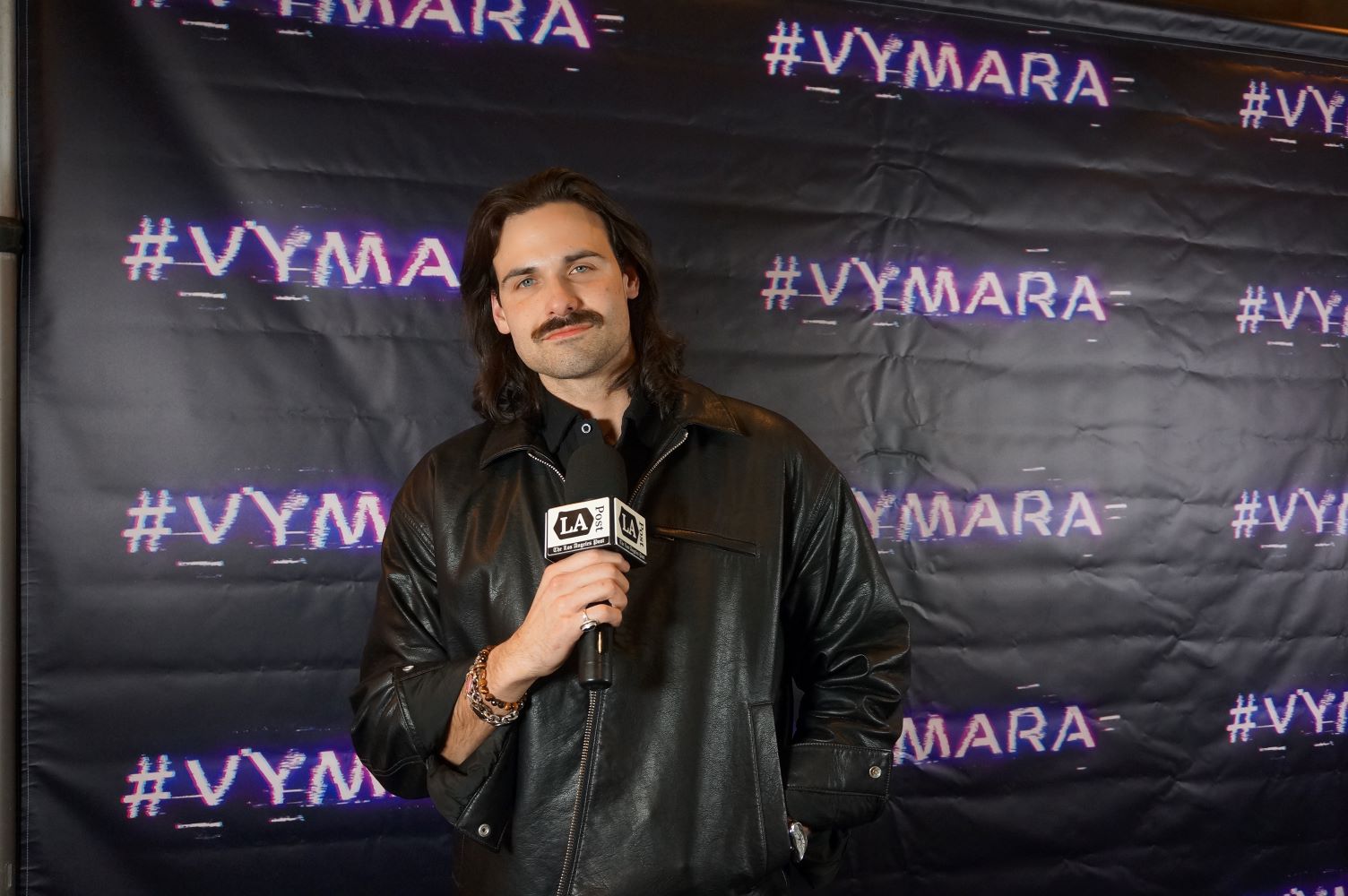
Paul Bukoskey(Photo by: Richard Ren/LAPost)
“With the film, in terms of the visual medium, I mean, there’s just so much to play with in today’s livestream world,” Bukoskey said. “When you look at the found-footage genre, a genre that’s been beloved now for so many years, it felt like there’s basically a buffet of options on how to really elevate it.”
The director said that integrating these digital formats required extensive work, particularly in assembling the details of livestream interfaces and their accompanying comments.
His goal was to make the screen feel less like a window into someone else’s recording and more like an extension of the viewer’s own online experience.
“To me, it felt like it was additive, and I feel immerses the viewer that much more,” he said, describing how the film attempts to make its onscreen feeds resemble the content audiences encounter on their own computers.
That approach also supports the film’s satirical ambitions. Its characters represent familiar internet archetypes, but their identities are not merely shorthand for jokes. Bukoskey said he worked closely with the actors to explore the motivations behind their characters and encourage them to contribute their own ideas.
He recalled holding one-on-one meetings with cast members to discuss individual scenes, character motivations and the meaning behind specific lines. After multiple takes, he sometimes asked the actors to set their scripts aside and respond more instinctively.
“I wanted them to have ownership of their characters, wanting them to know those characters so well,” he said.
Bukoskey described the film’s first half as something close to a satire of internet culture before the story takes a different turn. He declined to reveal the transition, preserving the element of surprise for audiences.
The result, he suggested, depends on a deliberate balance between scripted comedy and the freedom to improvise.
Cast embraces the comedy — and the cold
For Jenna Karan, who plays Kara, the film’s fashion-influencer character, the production was an exercise in both physical endurance and comic restraint.
The cast spent several weeks filming in the woods at night, where the conditions could be as uncomfortable as the fictional dangers surrounding them.
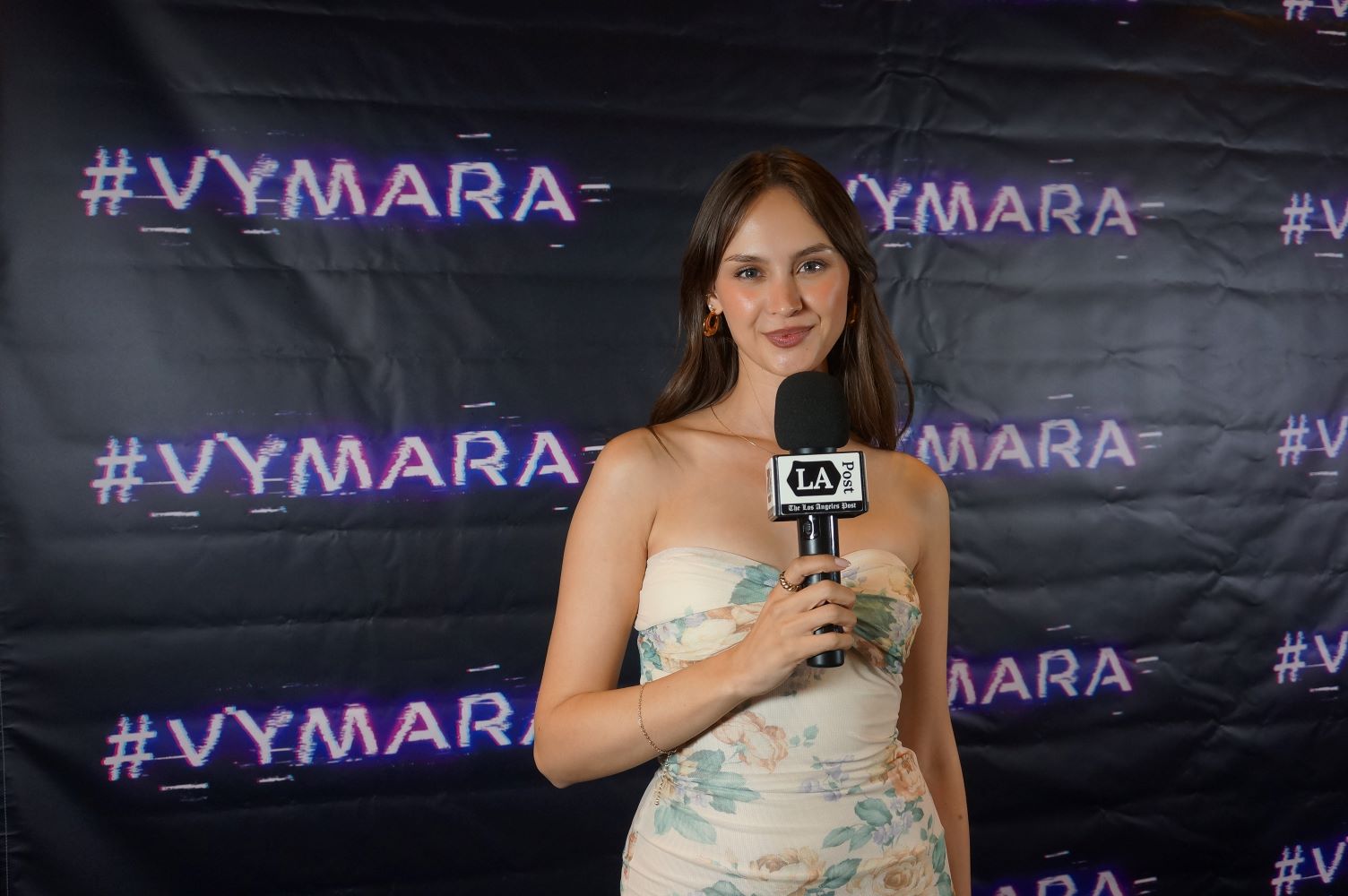
Jenna Karan,(Photo by: Richard Ren/LAPost)
“We filmed that in the woods for a few weeks at night,” Karan said. “Very cold. For me at least.”
Karan described Kara as a fashion influencer and model who is not especially talkative but possesses a distinct personality. The role called for a character whose online image and behavior contribute to the film’s broader portrait of creator culture.
She credited Bukoskey with creating an environment that allowed the actors to take creative risks.
“Our director is literally the most amazing director I have ever worked with,” she said. “He put so much trust in all of us to bring this project to life.”
Karan also praised her fellow performers, singling out Ava Westcott for her work in the film and Reed Robison for supplying much of its comedy. She described the cast as a strong ensemble in which different personalities contribute distinct strengths.
Robison, who plays the internet comedian, characterized #VYMARA as an ideal Halloween-season movie, combining slasher conventions with a deliberately exaggerated, campy sensibility.
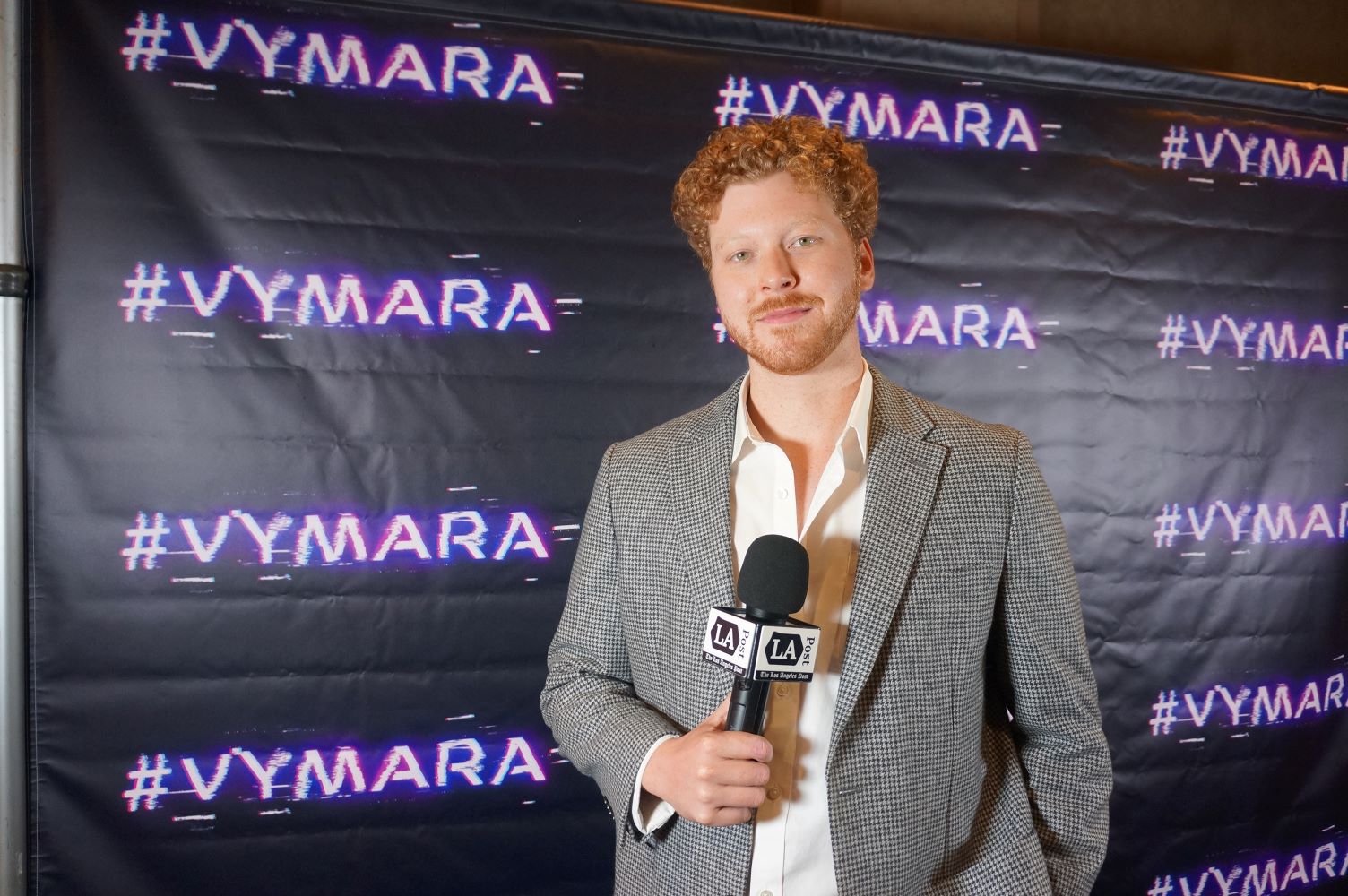
Robison (Photo by: Richard Ren/LAPost)
“Slasher in the woods. It’s campy, it’s fun, it’s scary,” he said. “I think it’s got all the flavors any good horror movie needs.”
The production, however, was not always as entertaining for the actors as it might be for the eventual audience.
Filming in the woods in the middle of the night proved unsettling, Robison recalled, joking that he was even afraid to walk to the bathroom.
Despite the discomfort, he described the experience as a blast and predicted that audiences would enjoy the film’s fast-moving combination of comedy and scares.
Horror as a platform for cultural commentary
Ava Westcott, who plays the feminist true-crime podcaster Ava Lauren, also serves as an executive producer and was involved in the film’s marketing. Her multiple roles reflect the collaborative, creator-driven model behind the project.
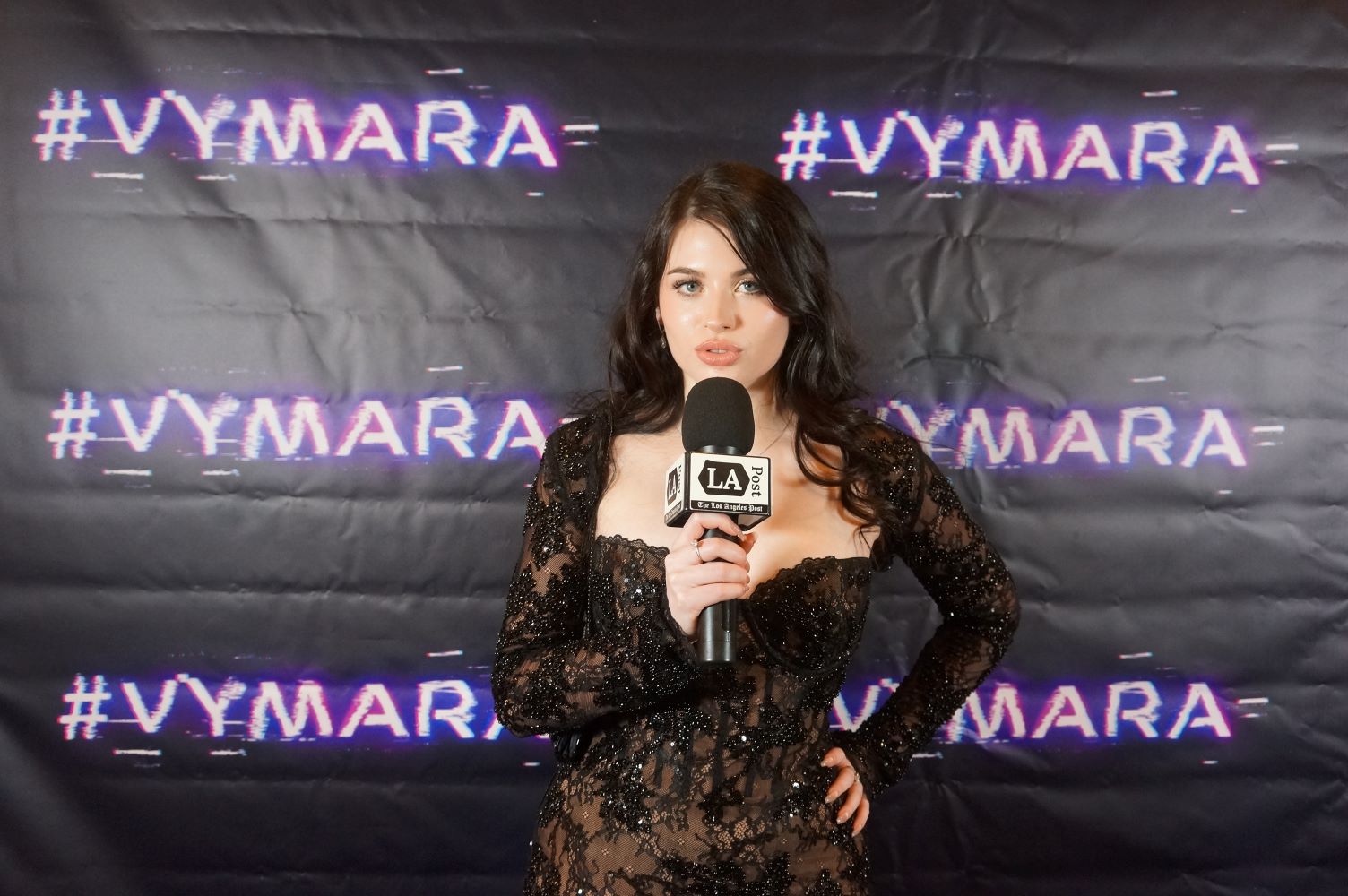
Ava Westcott (Photo by: Richard Ren/LAPost)
Westcott indicated that she is interested in continuing to explore feminism and misogyny through horror, using the genre’s capacity for graphic imagery to make social commentary more immediate and confrontational.
She described plans for a future film that would take on misogyny and bring its consequences into sharper focus through blood, gore and other elements of horror.
Her comments point toward one of the possibilities opened up by #VYMARA: the same genre conventions that deliver shocks can also provide a framework for examining the attitudes and power struggles circulating online.
The film’s central characters are not simply influencers caught in a frightening situation. They embody competing internet identities, each accustomed to presenting a particular worldview to an audience. Placing them together in a setting where their usual tools of communication and self-presentation become unreliable creates opportunities for both comedy and conflict.
That tension is central to the film’s premise, even as its creators leave room for the unpredictable turns of a horror story.
A creator-driven cast brings its audience to the cinema
The premiere also highlighted the project’s connection to the online communities that helped shape its concept.
Among the featured creators and guests were Monse Gutierrez, known as Cvnela; Loey Lane; Isaiah Nichols, known as Wendigoon; Charles Shaughnessy, known as Yourmovieguy_412; Christopher Kiely; Sydney Resendes, known as Horror Chronicles; and Adrian Stewart, known for Coffeehouse Crime.
Together, the creators represent a range of online interests, including horror commentary, storytelling and crime-related content. The project’s organizers cited a combined following of more than 30 million across the featured horror creators, underscoring the potential reach of a film built around digital culture.
Carrington Bornstein, the alternative artist and online creator who plays the missing YouTuber, said the premiere marked his first time watching the completed film.
He praised the blend of humor, suspense and intensity, recalling that the screening offered moments that made him laugh as well as scenes that genuinely frightened him.
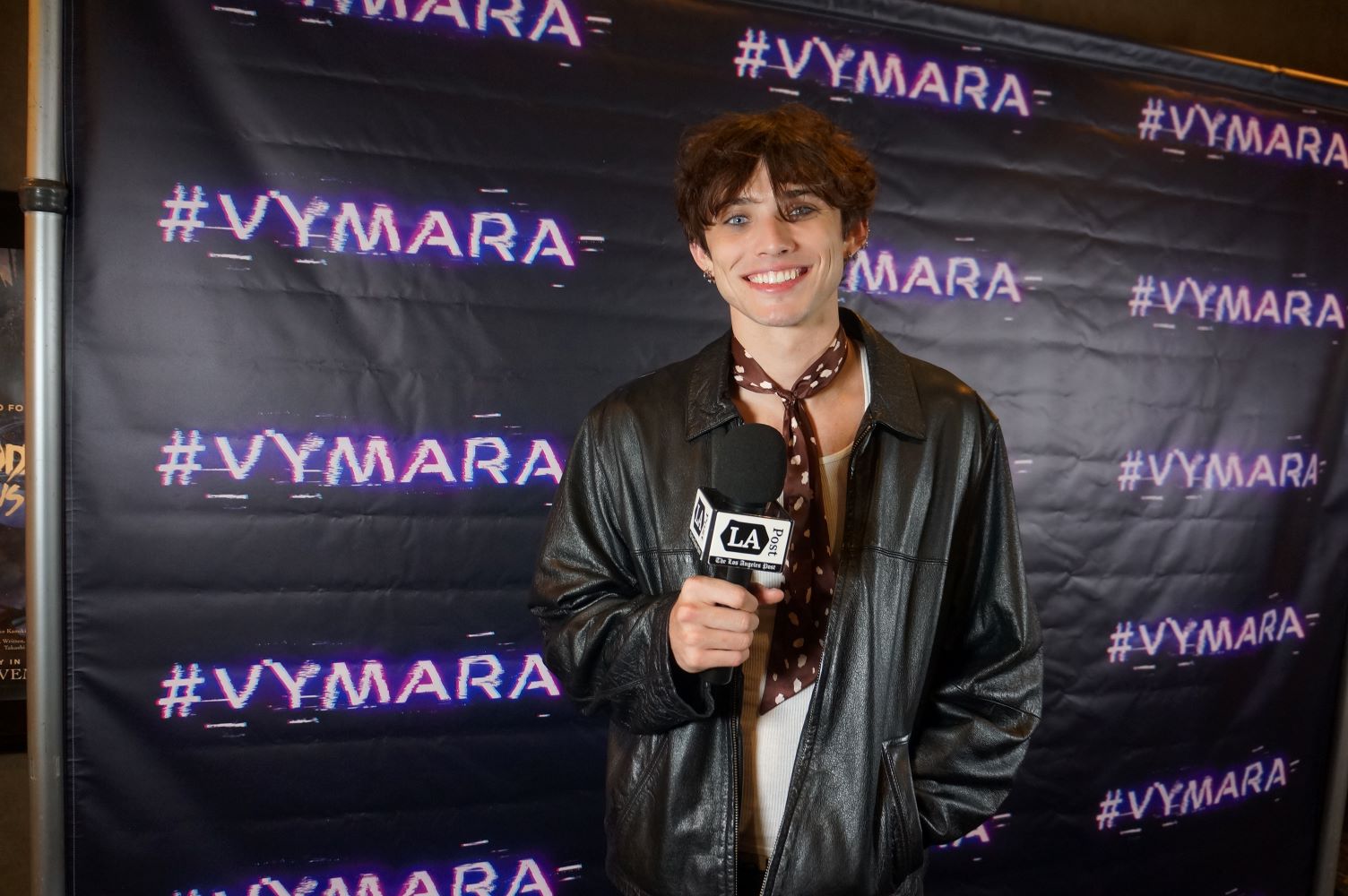
Carrington Bornstein (Photo by: Richard Ren/LAPost)
“It was funny. It was scary,” Bornstein said. “It got really intense. It was good. It was a lot of fun.”
Bornstein also offered a shoutout to independent filmmaking, praising Bukoskey for bringing the project together on a relatively short production timeline. He estimated that the director had accomplished the feat in about five months, expressing admiration for the effort required to make an independent movie happen.
For a film that takes aim at the attention economy, the premiere represented a meeting of two different kinds of audiences: moviegoers seeking the communal thrill of a theatrical horror experience and online followers familiar with the creators appearing on screen.
Whether #VYMARA can translate that digital recognition into sustained theatrical interest remains to be seen. But its premise reflects a broader creative opportunity for independent horror: internet culture is not merely a promotional tool or a source of familiar faces. It can also supply characters, visual language and anxieties that feel specific to the present moment.
With its Oct. 19 theatrical launch approaching, #VYMARA invites audiences to enter a world where online conspiracies lead into the woods, personal brands collide with physical danger, and the pursuit of a viral moment can become a nightmare.