Carrying Culture Through Song, Connecting the World Through Art: Helen Liang Presents “Folk Songs Flow Like the Spring River” Solo Concert in Southern California
Some melodies carry the passage of generations; some voices travel across mountains and seas, yet retain the warmth of home.
LAPost/Los Angeles, CA (October 24, 2026) — By Richard Ren/LAPost
Soprano Helen Liang presented her solo concert, Folk Songs Flow Like the Spring River, in Southern California on October 24, bringing together classic film and television themes, coloratura vocal works, Chinese folk songs, Cantonese pop classics, a mother-daughter duet and a cross-disciplinary performance combining yoga and vocal music.
Organized by the Orange County Arts Troupe, the concert was led by Zhen Tao Li, who served as artistic director and chief planner. Accompanied by a live band, Liang performed a program that traced the connections between personal memories, hometown traditions, family bonds and artistic exploration.
“Folk Songs Flow Like the Spring River” served not only as the concert’s title but also as its central theme. Rooted in local traditions and carried through time, folk songs found new resonance on a stage far from home. Through a diverse musical repertoire, Liang brought together personal experiences and shared cultural memories, using music to connect homeland and distant places, tradition and contemporary life.
Revisiting Memories Through Classic Melodies
The concert opened with “Yun Gong Xun Yin,” “Daughter’s Love” and “The Shepherd’s Song,” familiar compositions associated with classic Chinese film and television productions. As the melodies filled the venue, they evoked scenes and memories that have accompanied generations of audiences.
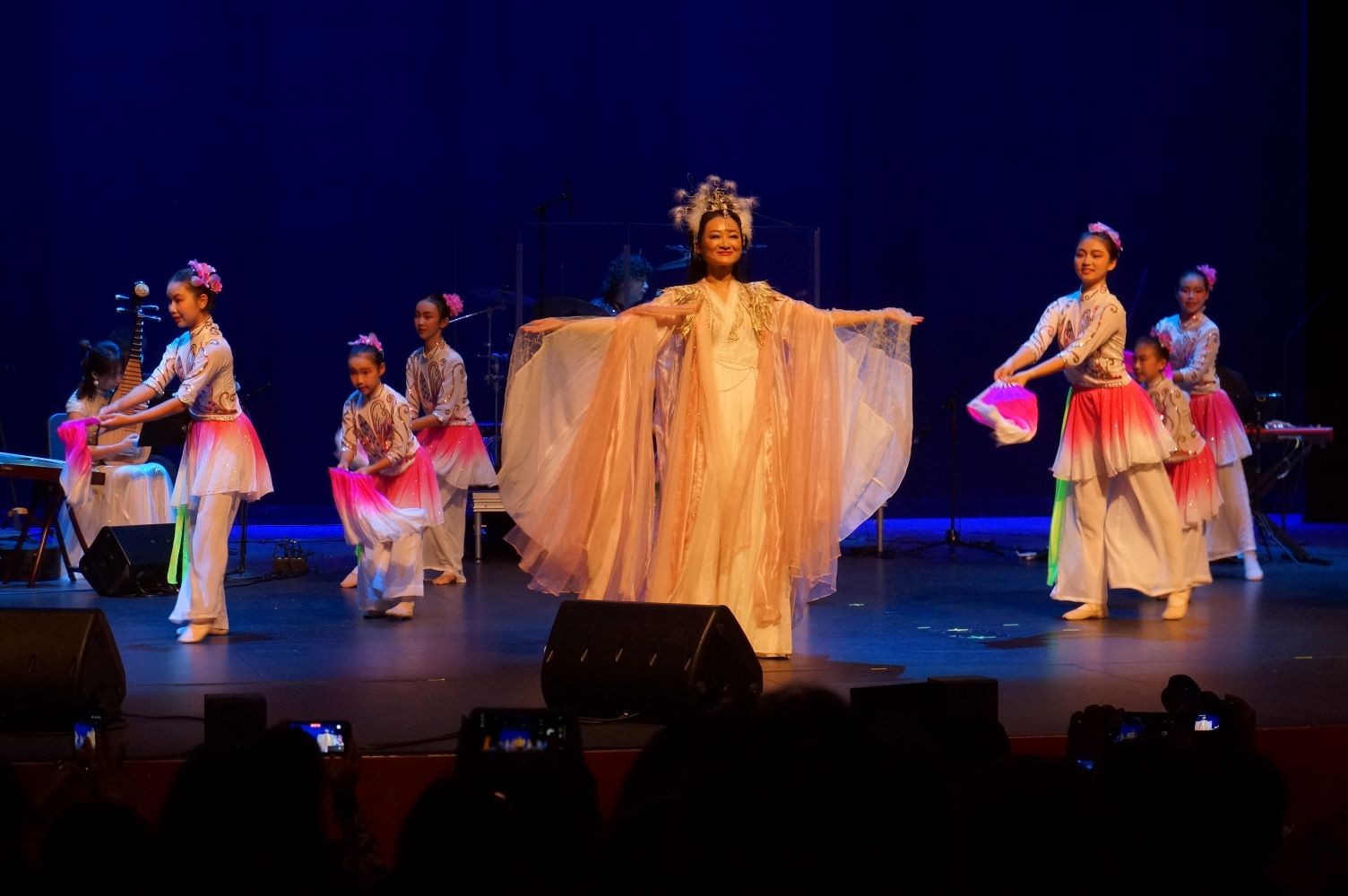
(Photo by: Richard Ren/LAPost)
From the dramatic character of “Yun Gong Xun Yin” to the delicate lyricism of “Daughter’s Love” and the expansive, pastoral quality of “The Shepherd’s Song,” Liang brought distinct emotional nuances to each piece. The interplay between the live instrumental accompaniment and her voice gave the familiar compositions a renewed stage presence.
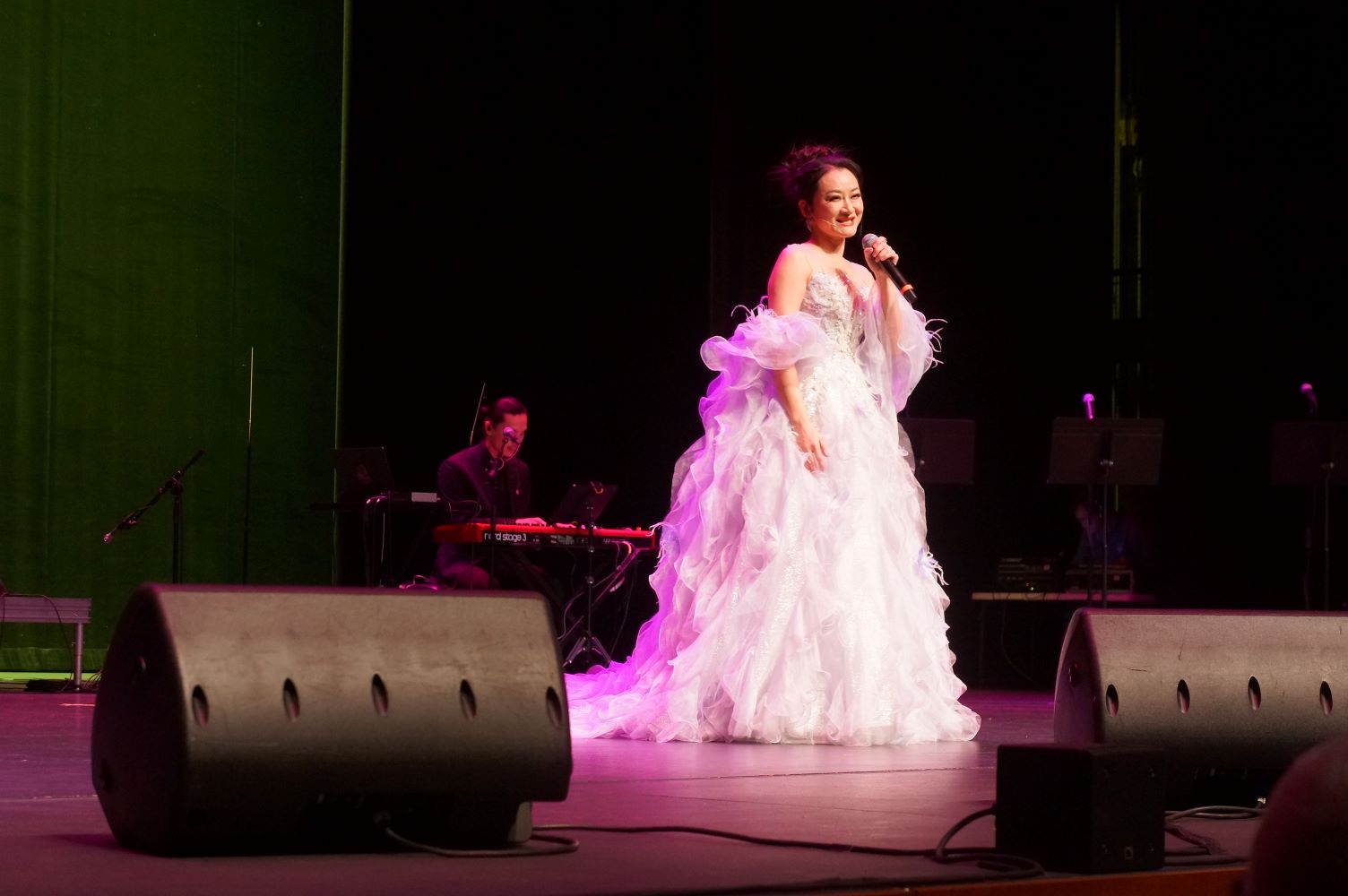
(Photo by: Richard Ren/LAPost)
The concert’s classical vocal segment featured “Mayila Variations” and “Why Are the Flowers So Red,” two works with contrasting musical characters. The former showcased agile coloratura passages, rapid runs and flexible phrasing, highlighting the lightness and range of Liang’s voice. The latter unfolded through long, expressive melodic lines, conveying a more reflective and deeply felt emotion.
Together, the selections demonstrated her technical training and ability to navigate different vocal styles while balancing musical precision with emotional expression.
Folk Songs Rooted in Home, Resonating Abroad
The Chinese folk music segment brought the concert’s emotional focus closer to Liang’s cultural roots.
Songs including “On the Eastern Mountain Peak” and “Dragon Boat Tune” presented different regional traditions within Chinese folk music. Their melodies evoked landscapes, everyday life and the direct, heartfelt emotions embedded in traditional music.
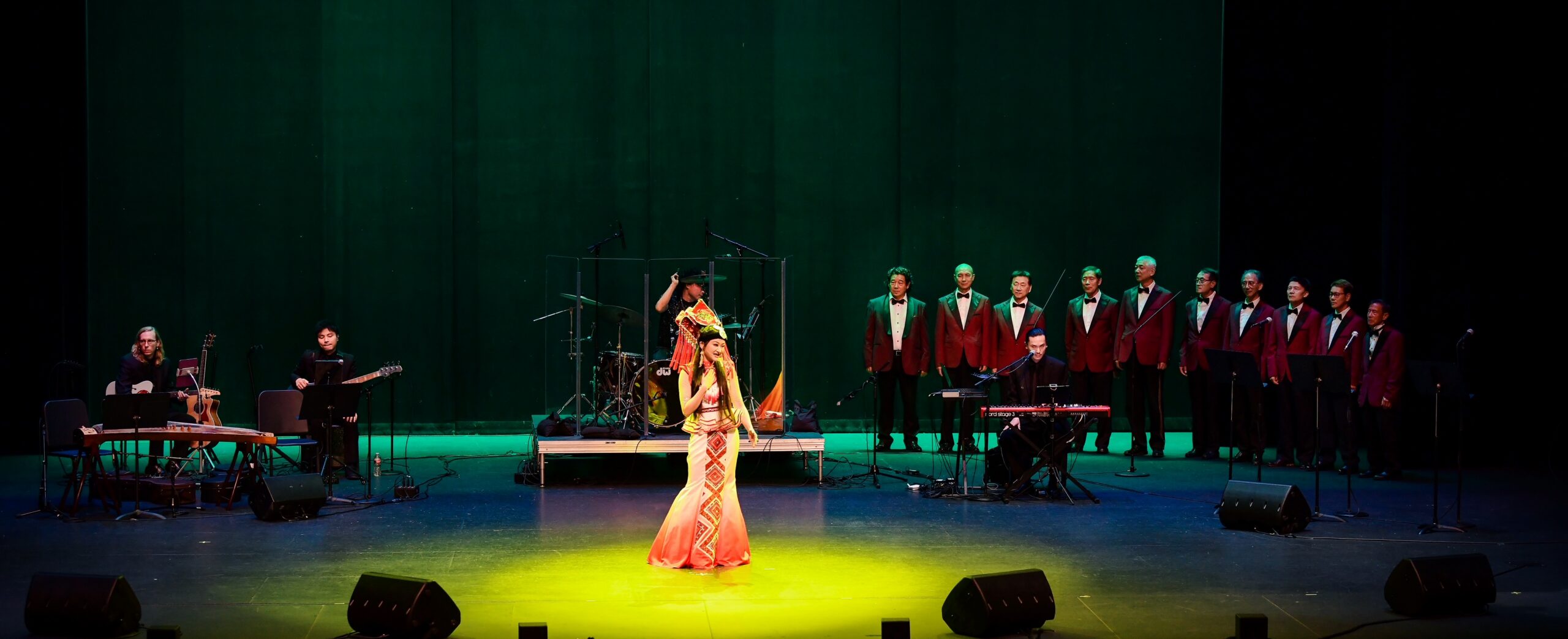
Photo provided by Helen Liang
When Liang appeared in traditional Zhuang ethnic attire to perform “Folk Songs Flow Like the Spring River,” the song became closely associated with her own cultural memories of growing up in Guangxi, southern China.
For Liang, home represents more than a geographical point of origin. It is a cultural imprint carried within a person. No matter how far one travels, familiar melodies can remain among the most intimate echoes of home.
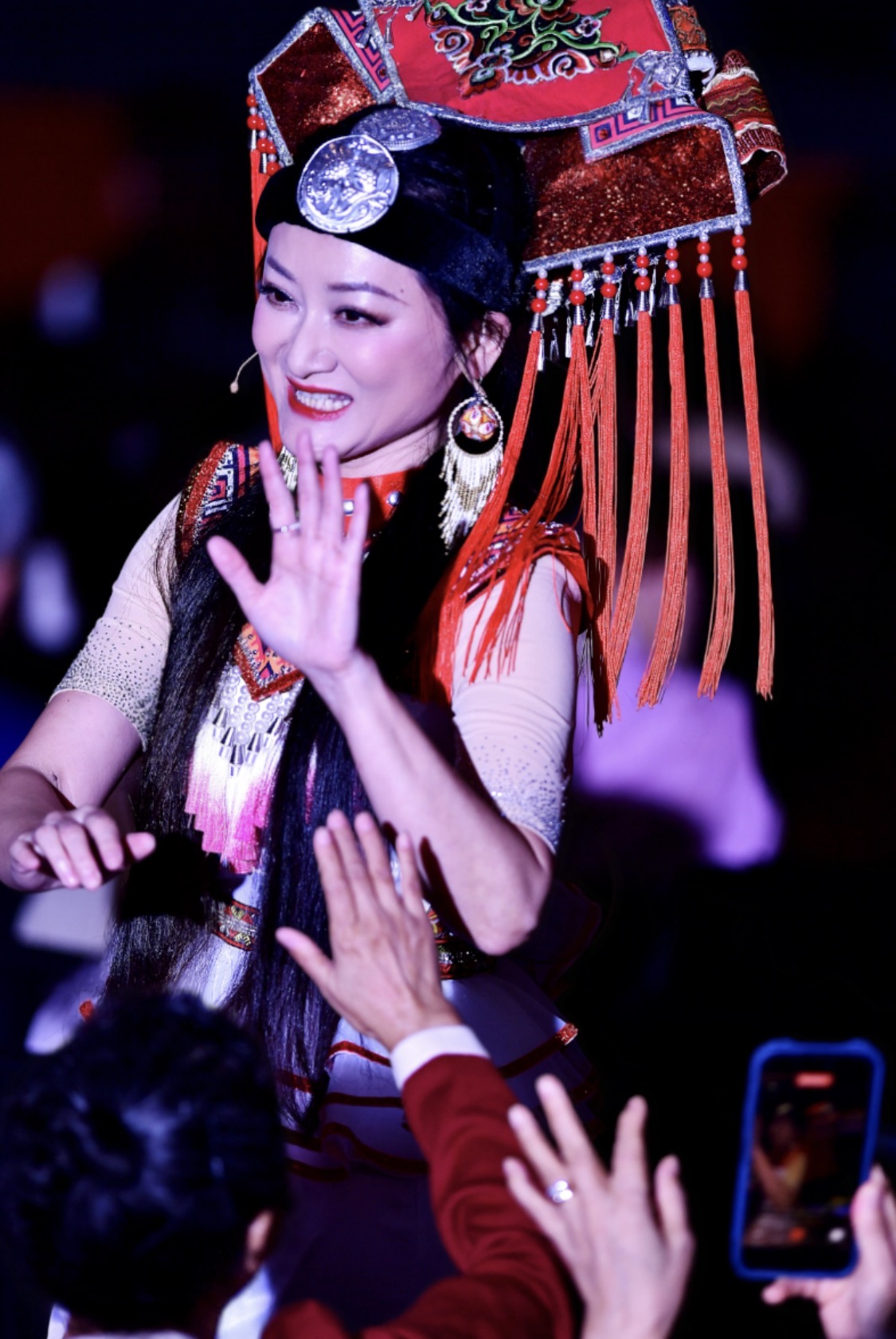
Photo provided by Helen Liang
The following performance of “Thank You” extended beyond the stage and into the audience. Liang moved among concertgoers and tossed an embroidered ball, a gesture associated with blessings and friendship in traditional folk culture. The interaction transformed the performance from a presentation of cultural traditions into a lively exchange between the singer and her audience.
Liang graduated from Xinghai Conservatory of Music. She won first place in the professional division of an international vocal competition in the United States and was invited to perform at Carnegie Hall. Over the years, she has continued to teach voice and participate in artistic activities overseas.
Her professional training has enabled her to perform works across a range of styles, while her cultural roots in Guangxi continue to inform her musical expression.
A Mother and Daughter Share the Stage
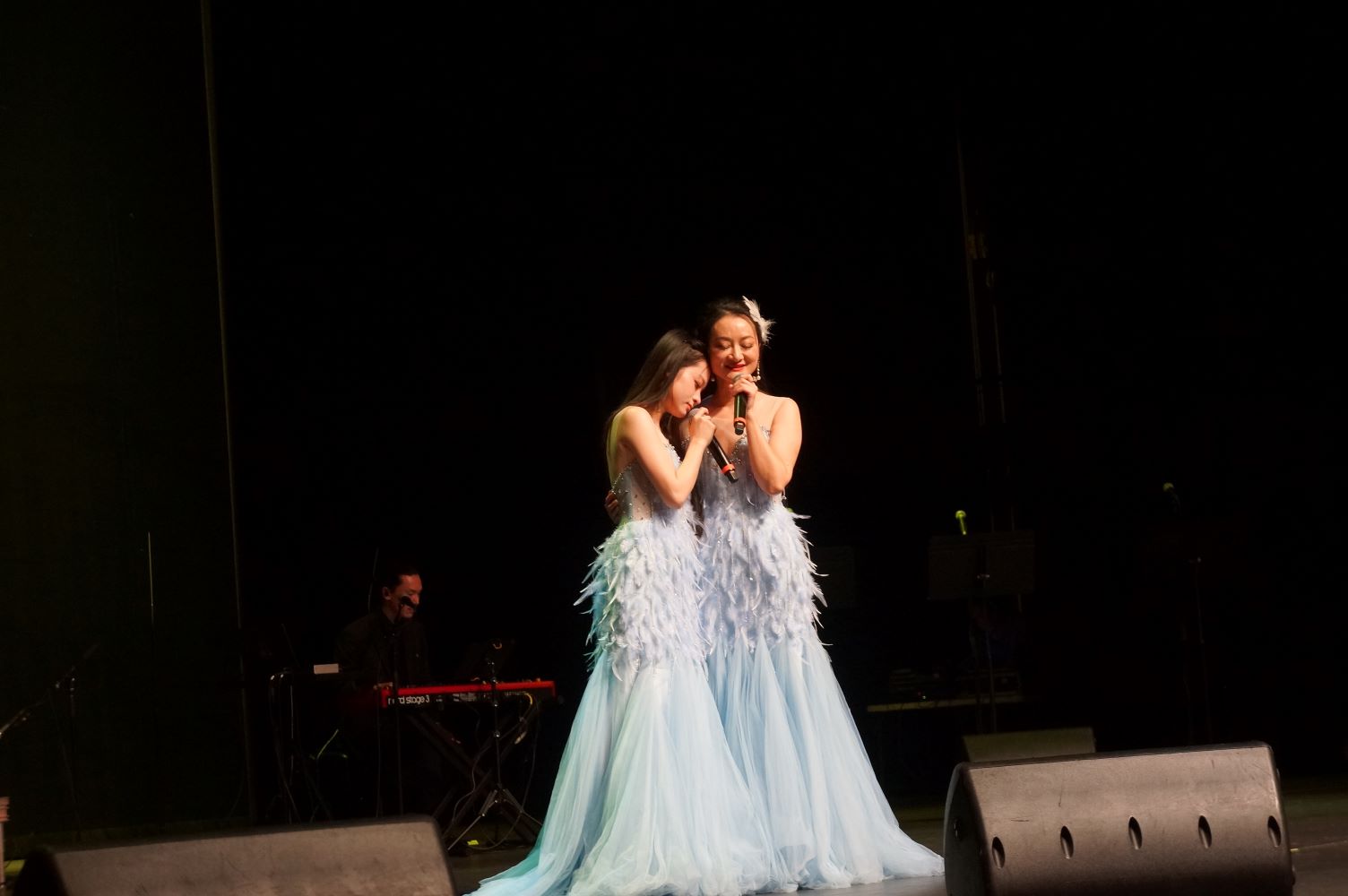
One of the concert’s family-centered segments featured Liang and her daughter, Luo Ding, performing together.
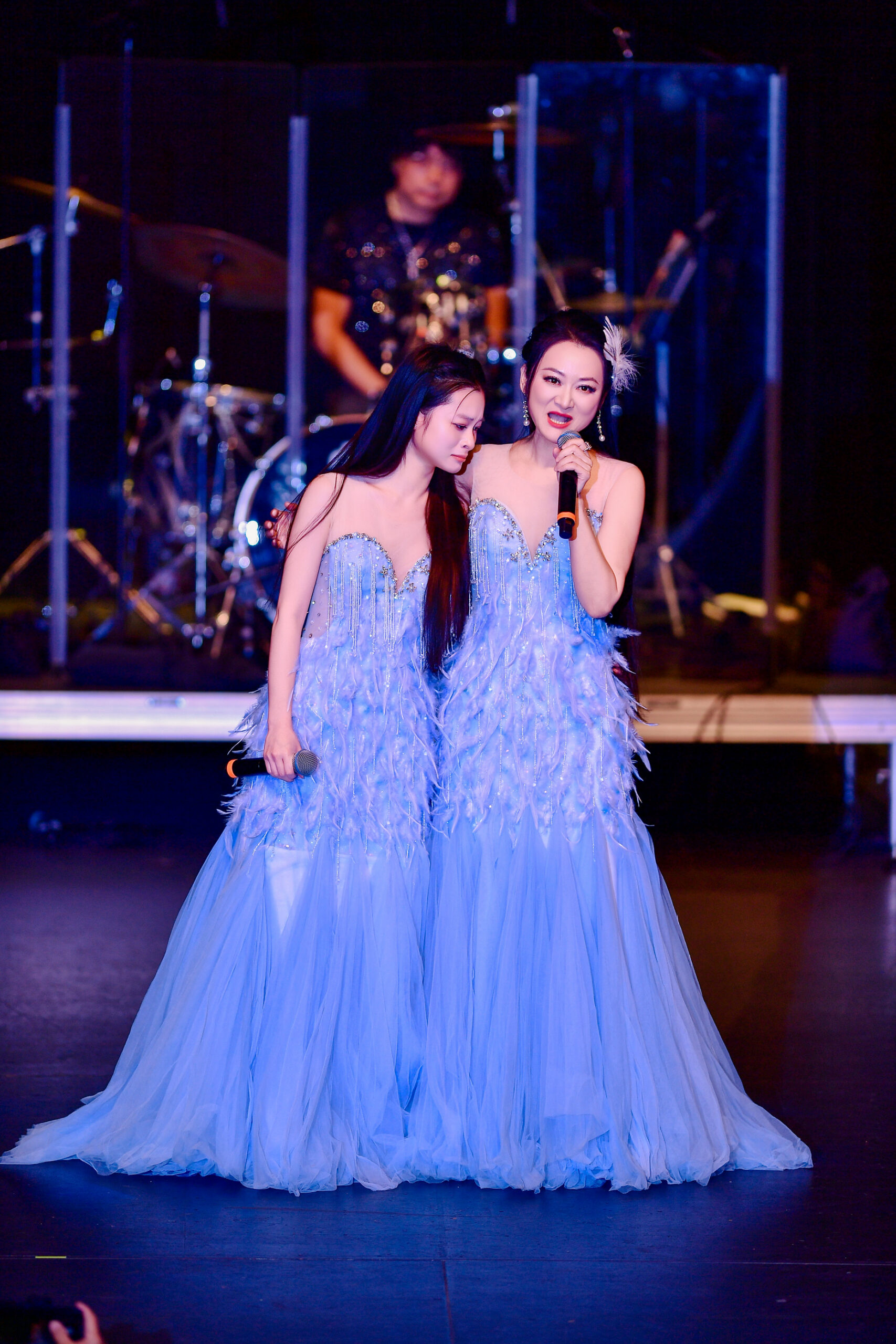
Photo provided by Helen Liang
Luo performed a solo rendition of “No Questions Asked” and joined her mother for “Daylily Flower” and “Light.” Although their voices reflected different individual qualities, the two singers listened and responded to each other through the music.
The performances offered an expression of affection and understanding that can sometimes be difficult to convey in everyday conversation. “Daylily Flower” explored the enduring bond between mother and daughter, while “Light” extended that sentiment into wishes for growth and the future.
Standing side by side, the two artists presented more than a musical collaboration. Their performances also reflected a shared interest in music and a relationship shaped by mutual understanding and support.
(Photo by: Richard Ren/LAPost)
Luo studied chemistry at the University of California, Los Angeles, before turning toward music. She subsequently enrolled at Berklee College of Music, where she received a scholarship. In addition to vocal studies, she is now pursuing coursework in arts management, broadening her understanding of the arts.
From her mother’s years of dedication to music to her own decision to pursue an artistic path, the transmission of artistic passion has become a living process rather than an abstract concept. It grows through years of exposure and shared experience, while continuing to evolve through the younger generation’s independent exploration.
Exploring the Connection Between Body and Voice
Liang also incorporated more than two decades of yoga practice into the concert. In one of the evening’s more unconventional performances, she sang an excerpt from “The Moon Represents My Heart” while holding a headstand, bringing yoga and vocal music together in a cross-disciplinary presentation.
Balance, breath control and vocal expression converged in the performance. Her long-term yoga practice and professional vocal training created an unusual dialogue between physical discipline and musical expression, reflecting her continuing interest in the relationship between body, mind and artistic performance.
From regional folk songs to mother-daughter duets, and from classic interpretations to cross-disciplinary experimentation, the concert brought together different dimensions of Liang’s artistic experience and personal interests.
(Photo by: Richard Ren/LAPost)
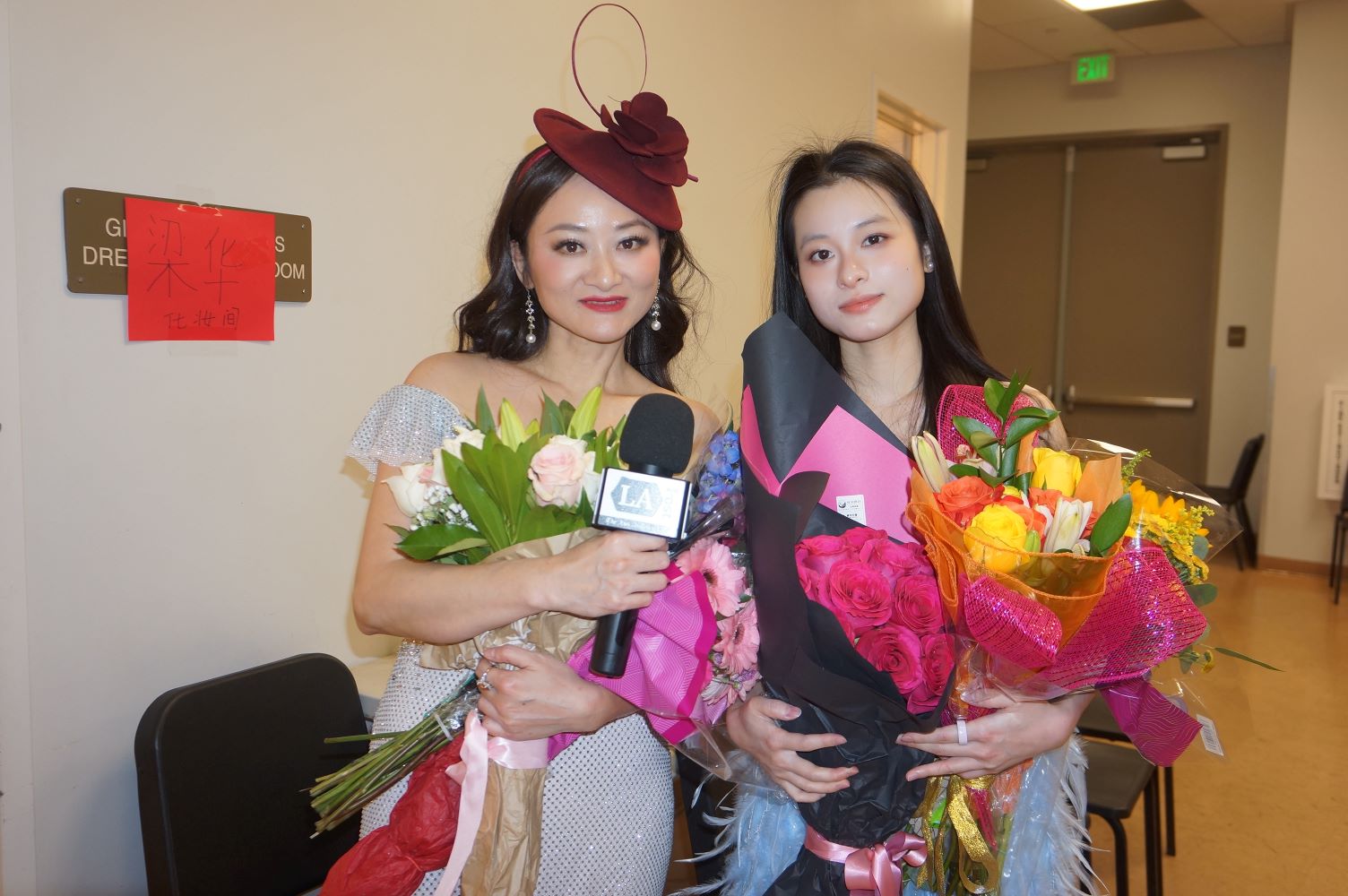
Reflecting on the motivation behind the concert, Liang described it as a personal gift.
“This concert is, in many ways, a gift to myself,” she said. “Throughout my journey, I have continued doing the things I love and the things I do well. Through this performance, I wanted to share my authentic self and the passions I have cultivated over the years. I also hope every audience member can enjoy a relaxed, happy and meaningful evening of music.”
Her remarks framed the concert as both a public performance and a personal reflection on the passage of time, the pursuit of artistic interests and the importance of remaining true to oneself.
Cantonese Classics Bring Generations Together
The concert’s Cantonese music segment drew on a repertoire familiar to generations of Chinese-speaking audiences.
From the tender melodies of “Half Moon Serenade” to the dramatic sweep of “Shanghai Bund,” followed by “A Hero’s Love” and “Love Across a Thousand Mountains,” the songs revisited musical memories associated with youth, relationships and the passage of time.
Many of these compositions have long been part of television and everyday cultural life. Their return on a stage in Southern California brought together audience members whose individual experiences were connected by a shared musical heritage.
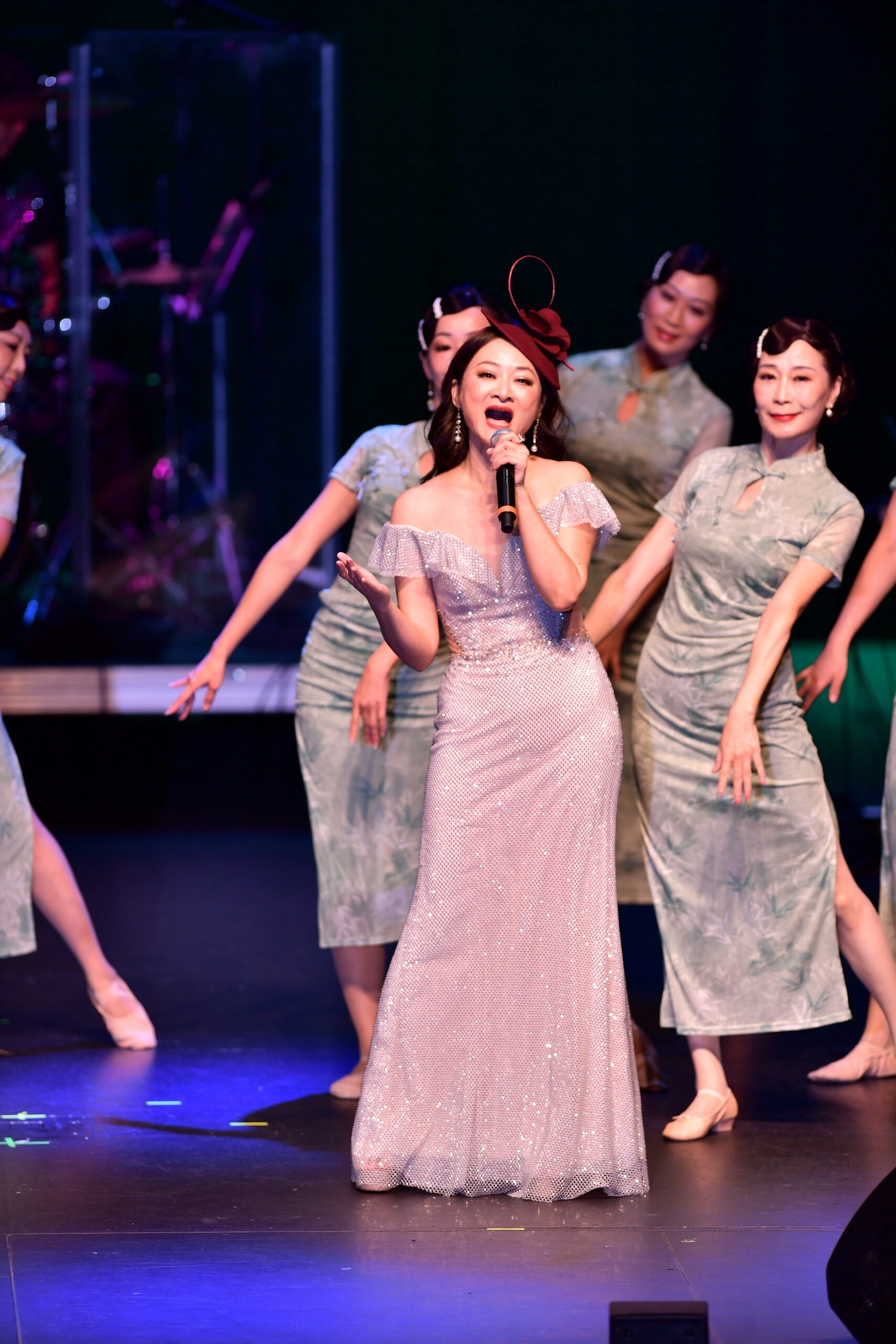
Photo provided by Helen Liang
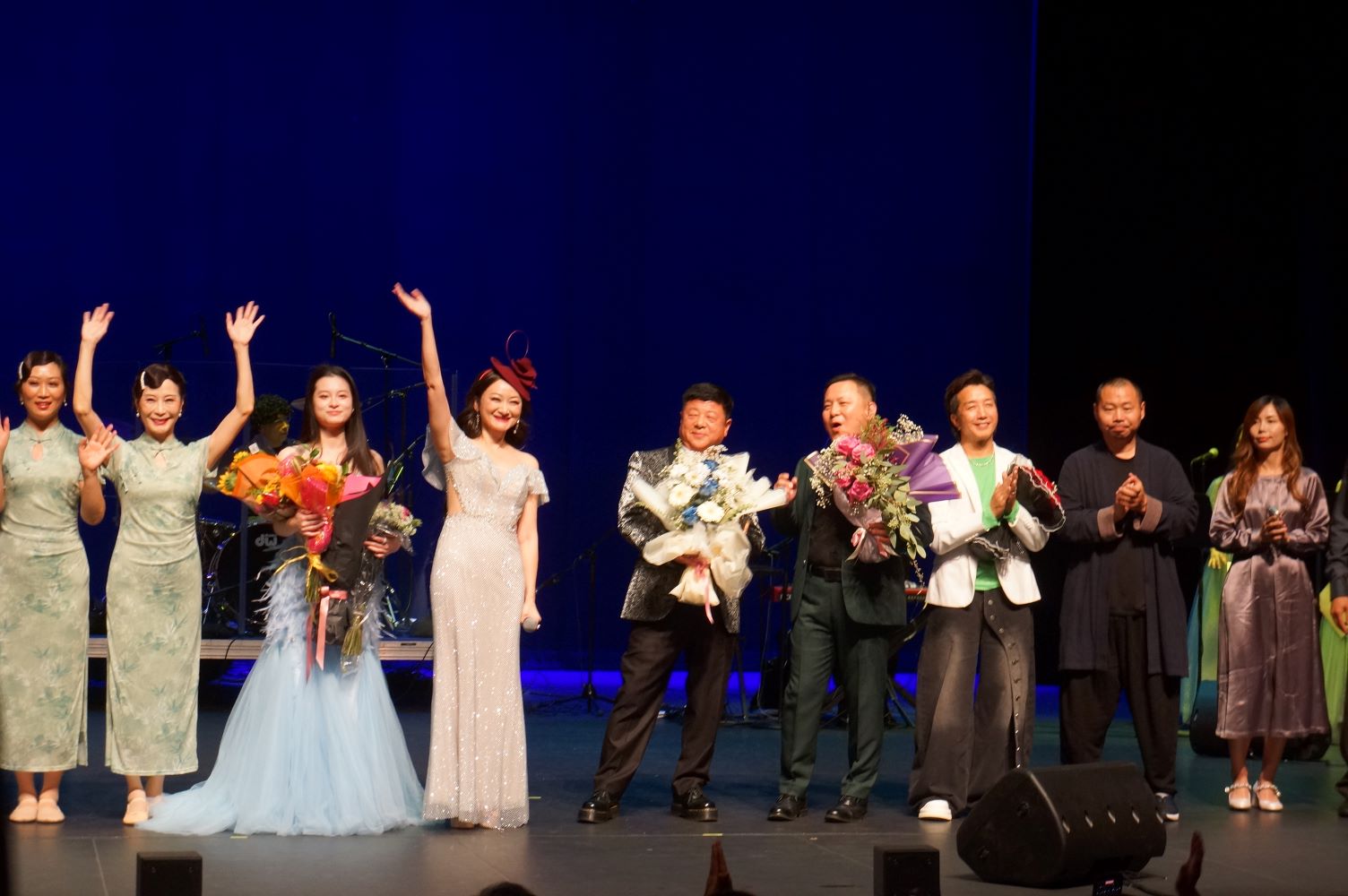
The concert concluded with “Thousands of Songs,” prompting a singalong throughout the venue. Liang’s voice blended with those of audience members, bringing the evening to a close through a collective musical moment.
Sometimes, music needs few words. When a familiar melody begins, memories of time, reunion and farewell can emerge naturally through the voices of those singing together.
A Collaborative Effort Behind the Solo Performance
Although the concert centered on Liang, its production reflected the work of a larger artistic team.
Li Zhen Tao, the concert’s artistic director and chief planner, said the team had spent several months preparing for the event. The process included arranging the music, rehearsing with the band, coordinating transitions between pieces and refining the overall stage presentation.
He highlighted Liang’s professional commitment throughout the rehearsal period and thanked the musicians, performers and backstage personnel who contributed to the production.
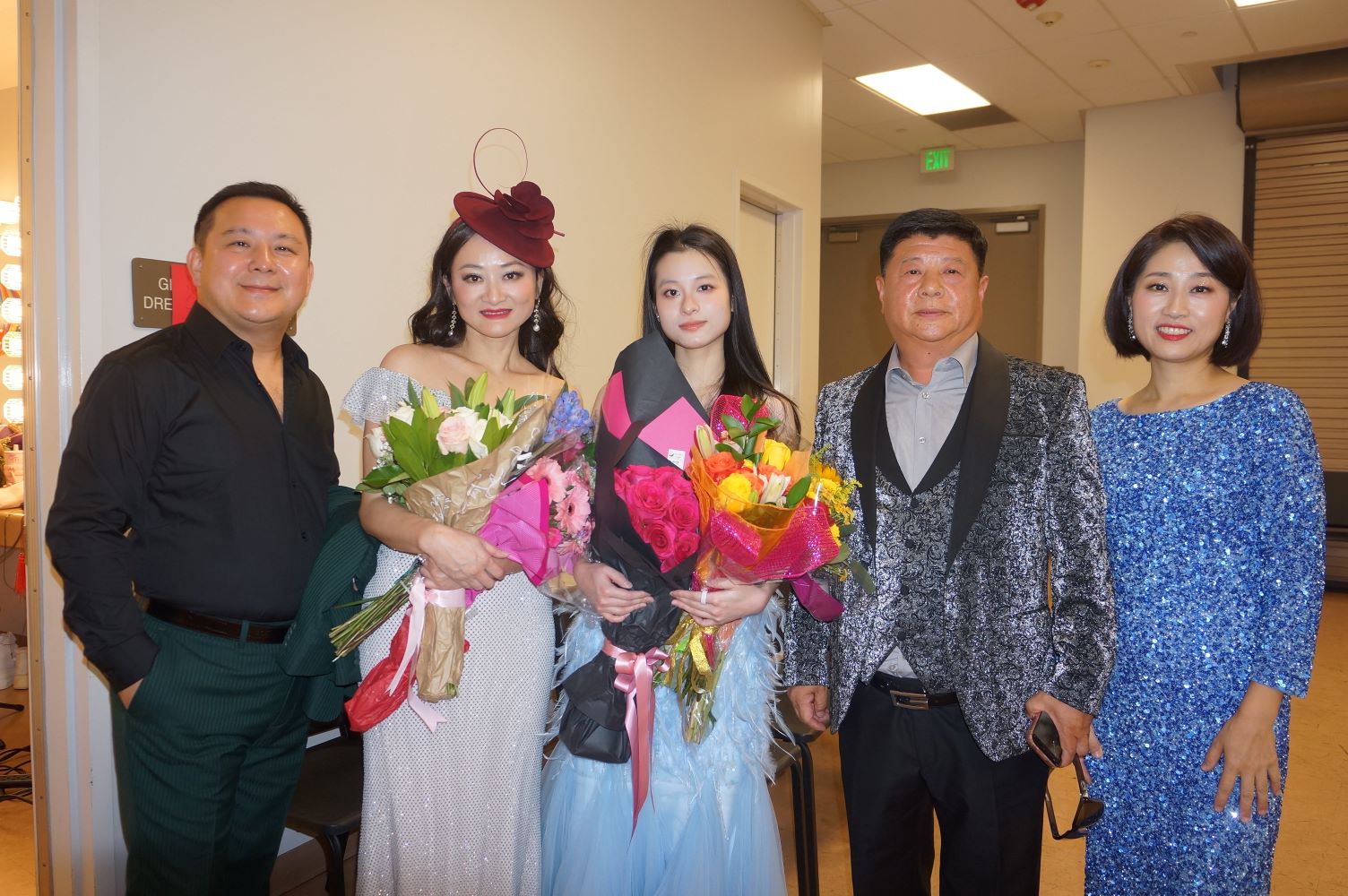
From left: Artistic Director and Chief Planner Li Zhen Tao, Helen Liang, Luo Ding, Bob Su and violinist Zhong Qinyu(Photo by: Richard Ren/LAPost)
The transitions between different musical genres required close coordination between the singer and instrumentalists. Changes in rhythm, tone and emotional intensity provided a varied musical foundation for Liang’s vocals while helping the concert maintain continuity across its diverse repertoire.
Li also introduced participating musicians, including pipa performer Liu Yu, and singled out drummer Zhang Jun. According to the concert organizers, Zhang has been active in Chinese popular music performances for many years and has worked with singers including Qi Qin, bringing extensive stage experience to the production.
The ease of a live performance often reflects hours of preparation and repeated rehearsals. The musicians’ coordination and the contributions of the production team formed an essential part of the concert.
Bringing Music Into Everyday Community Life
Several community members at the concert shared their experiences of knowing and working with Liang, offering a glimpse of her activities beyond the stage.
Yang Bi, president of Lingqi Buddhist Center, said she had known Liang for approximately 10 years. During that time, Liang had used her spare time to teach vocal techniques to members of community groups, helping people without professional musical backgrounds develop an interest in singing and providing opportunities for them to perform onstage.
Financial professional, educator and philanthropist Lin Risheng recalled first meeting Liang at a performance venue, where she was concentrating on rehearsals. Her attentive and dedicated approach left a strong impression on him. He also spoke about her ability to perform across different musical styles.
The value of art extends beyond moments in the spotlight. It can also be found in everyday interactions: a vocal lesson, patient guidance or a community performance that introduces someone to music.
Through years of teaching and community involvement, Liang has brought music beyond the concert hall and into people’s daily lives, turning her personal passion into an experience that can be shared with others.
Supporting the Continuation of Culture Through Music
The concert received support from Quantum Solutions.
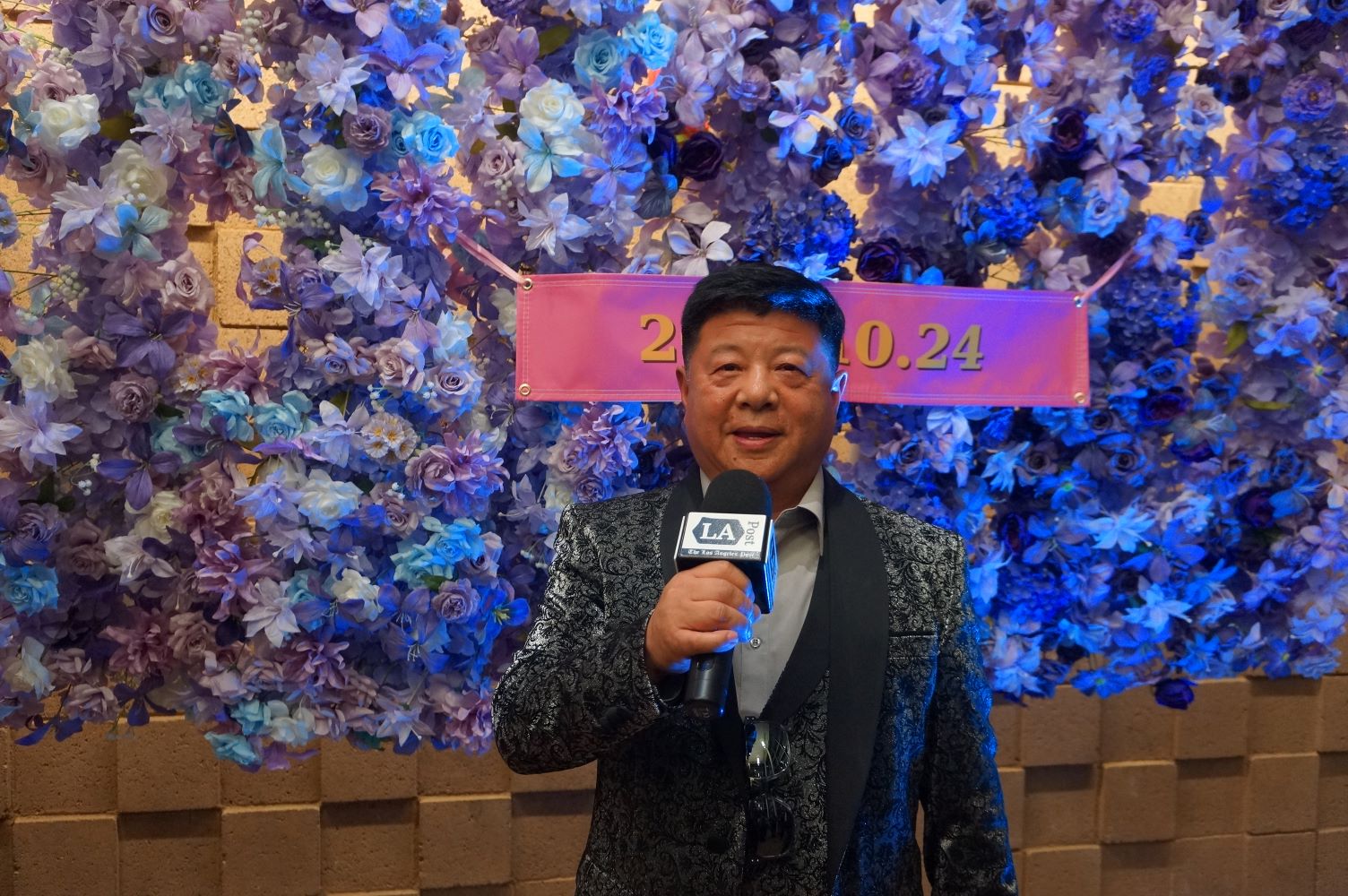
(Photo by: Richard Ren/LAPost)
Sponsor Bob Su said cultural and artistic activities enrich community life and bring people closer together. He said the company hoped to support the arts through practical action, provide artists with opportunities to showcase their talents and contribute to the transmission of Chinese culture overseas.
From the echoes of time preserved in classic melodies to the homesickness expressed through folk songs, from the affection shared in a mother-daughter duet to the collective singing of performers and audience members, Folk Songs Flow Like the Spring River brought together different chapters of Liang’s life and artistic journey.
The concert also reflected the ways Chinese musical traditions continue to be practiced, shared and reinterpreted by artists living abroad.
Folk songs flow from the homeland, and they flow toward the world.
When familiar melodies sound in a distant place, they awaken not only a longing for home but also an emotional connection that crosses geographical, linguistic and cultural boundaries.
The performance eventually came to an end, but the resonance of the music continues beyond the stage. The memories awakened, emotions shared and cultural traditions carried forward through song form part of an enduring cultural legacy that continues to evolve across generations.
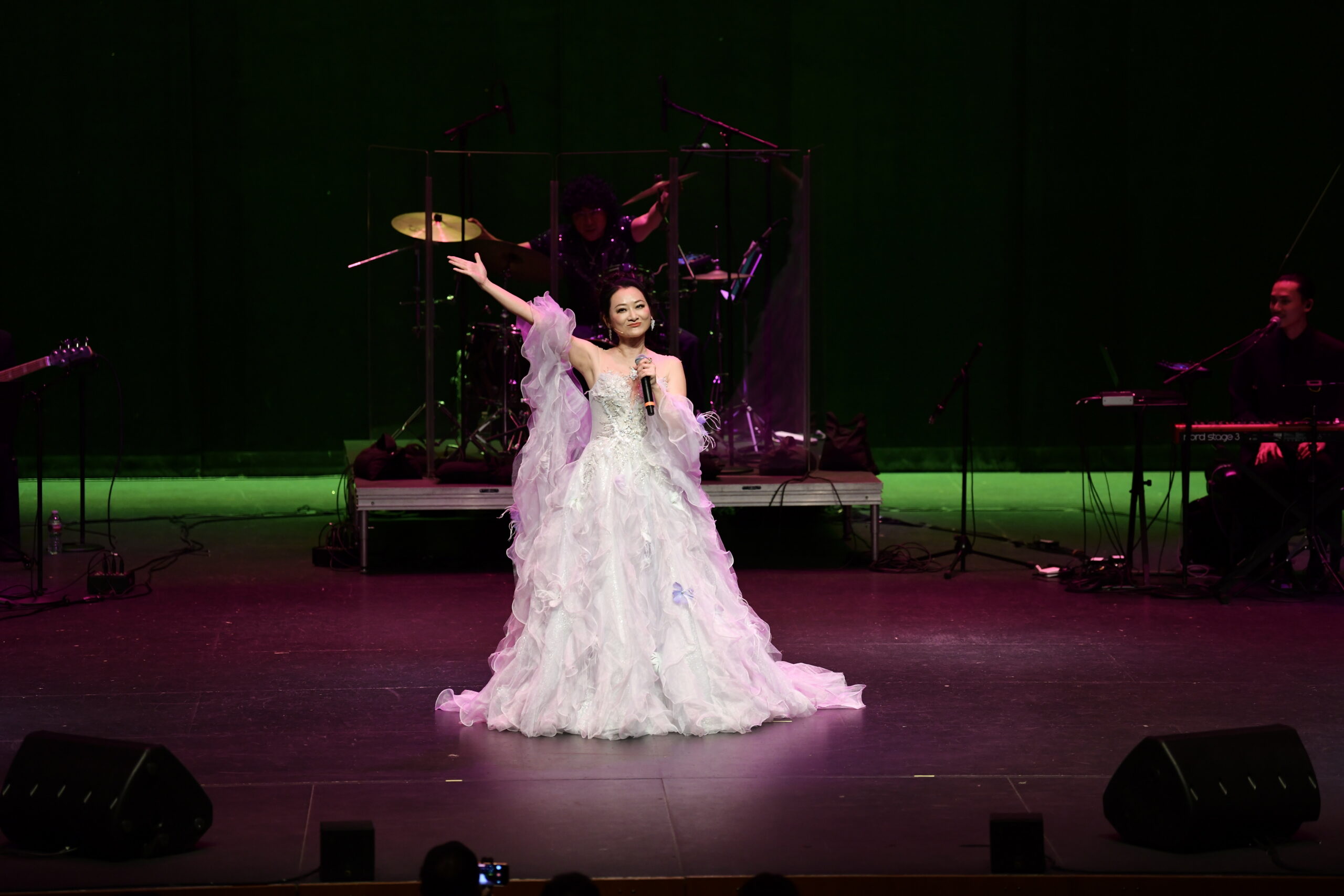
Photo provided by Helen Liang
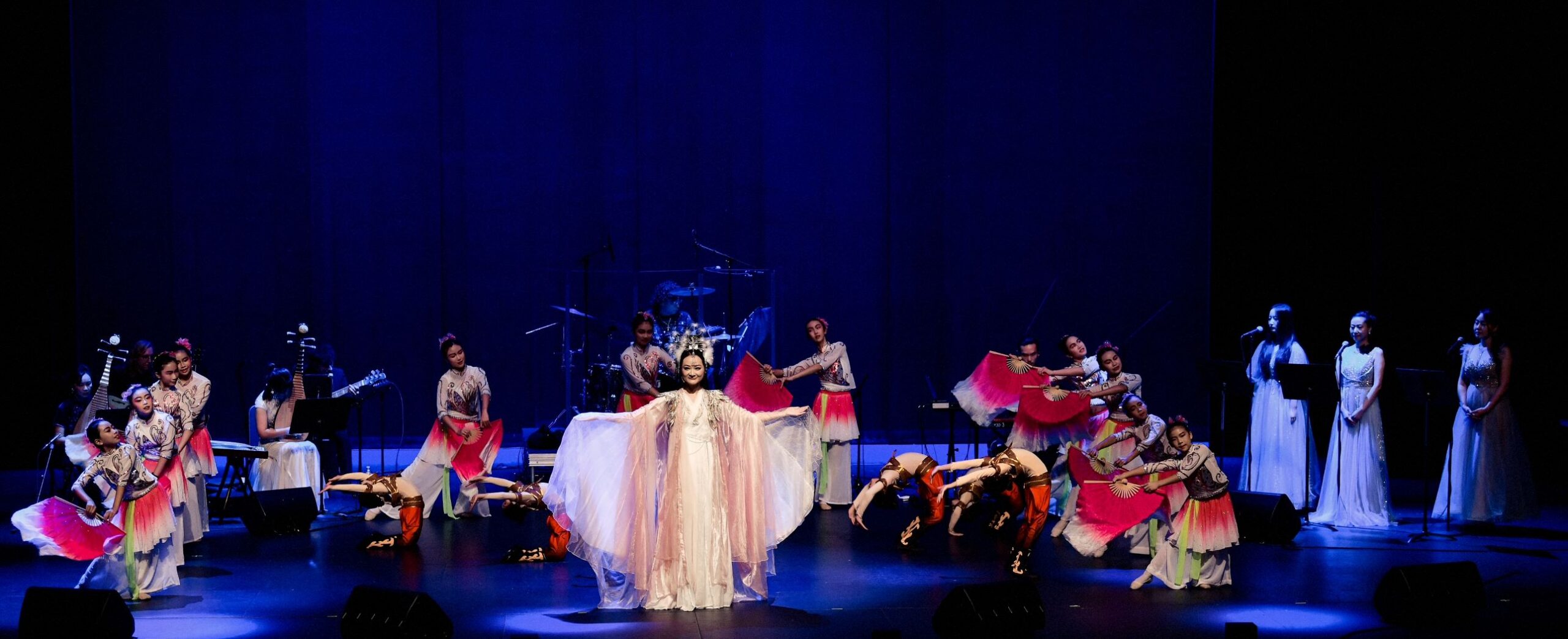
Photo provided by Helen Liang
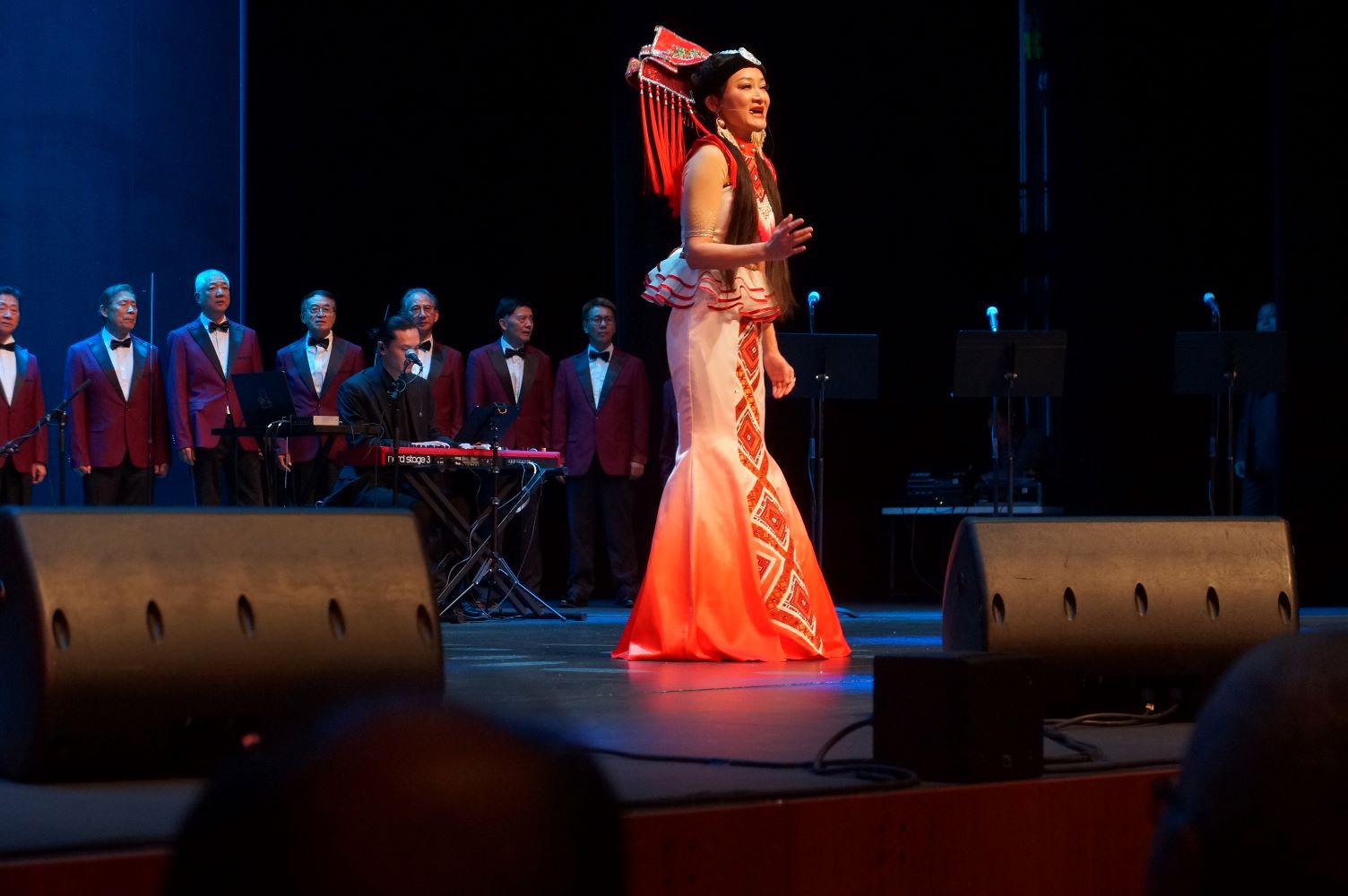
(Photo by: Richard Ren/LAPost)
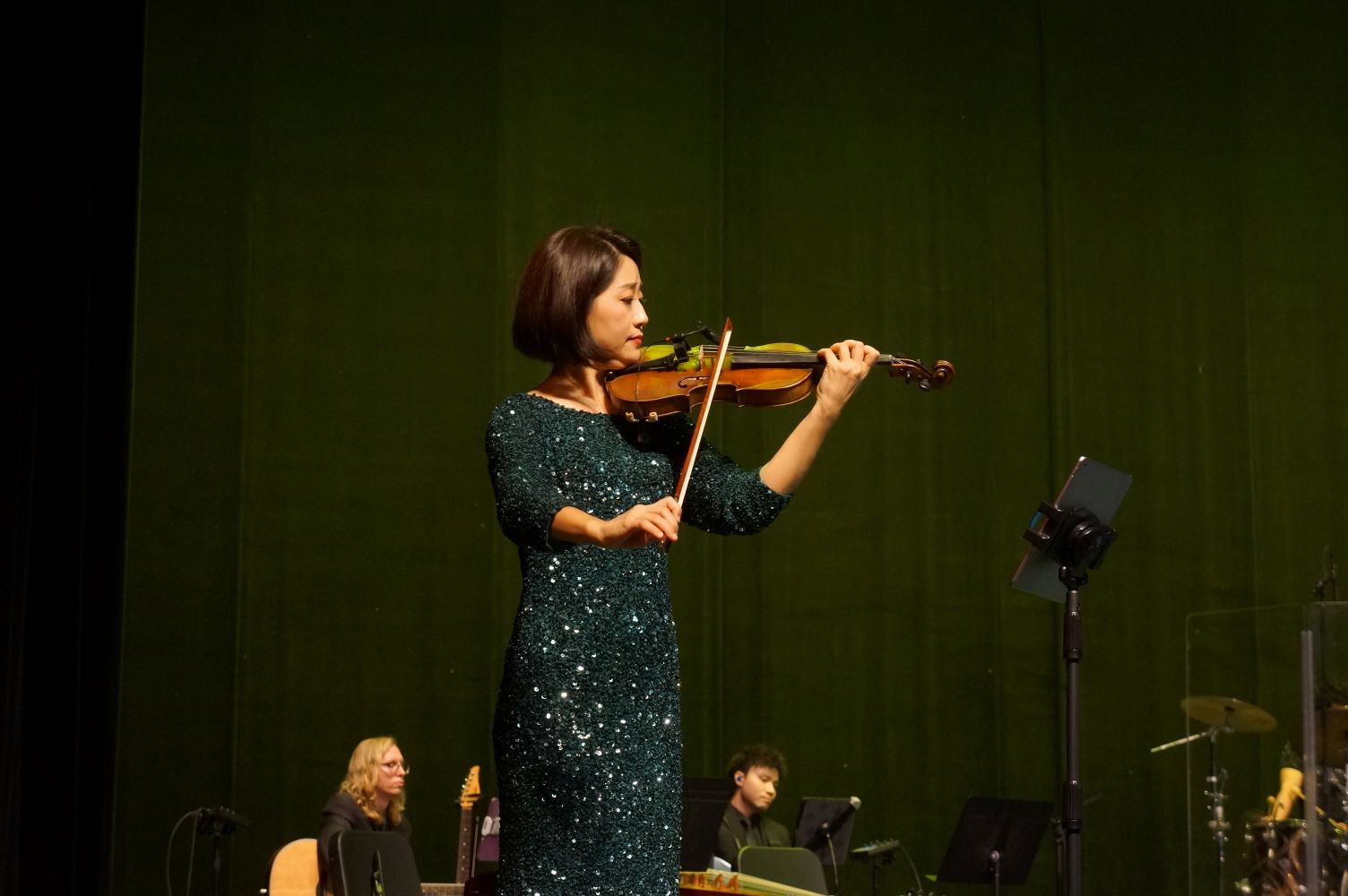
(Photo by: Richard Ren/LAPost)
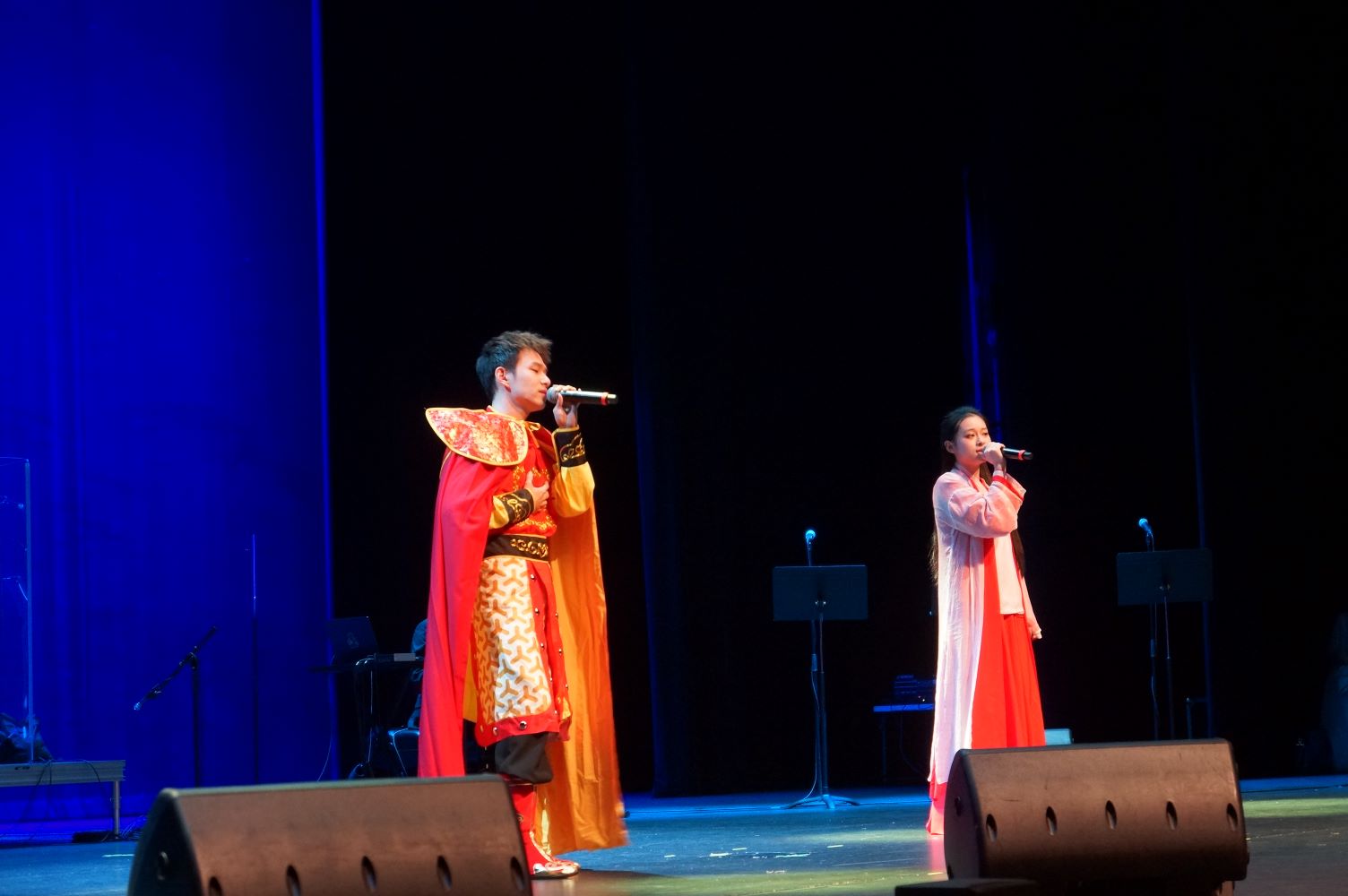
(Photo by: Richard Ren/LAPost)
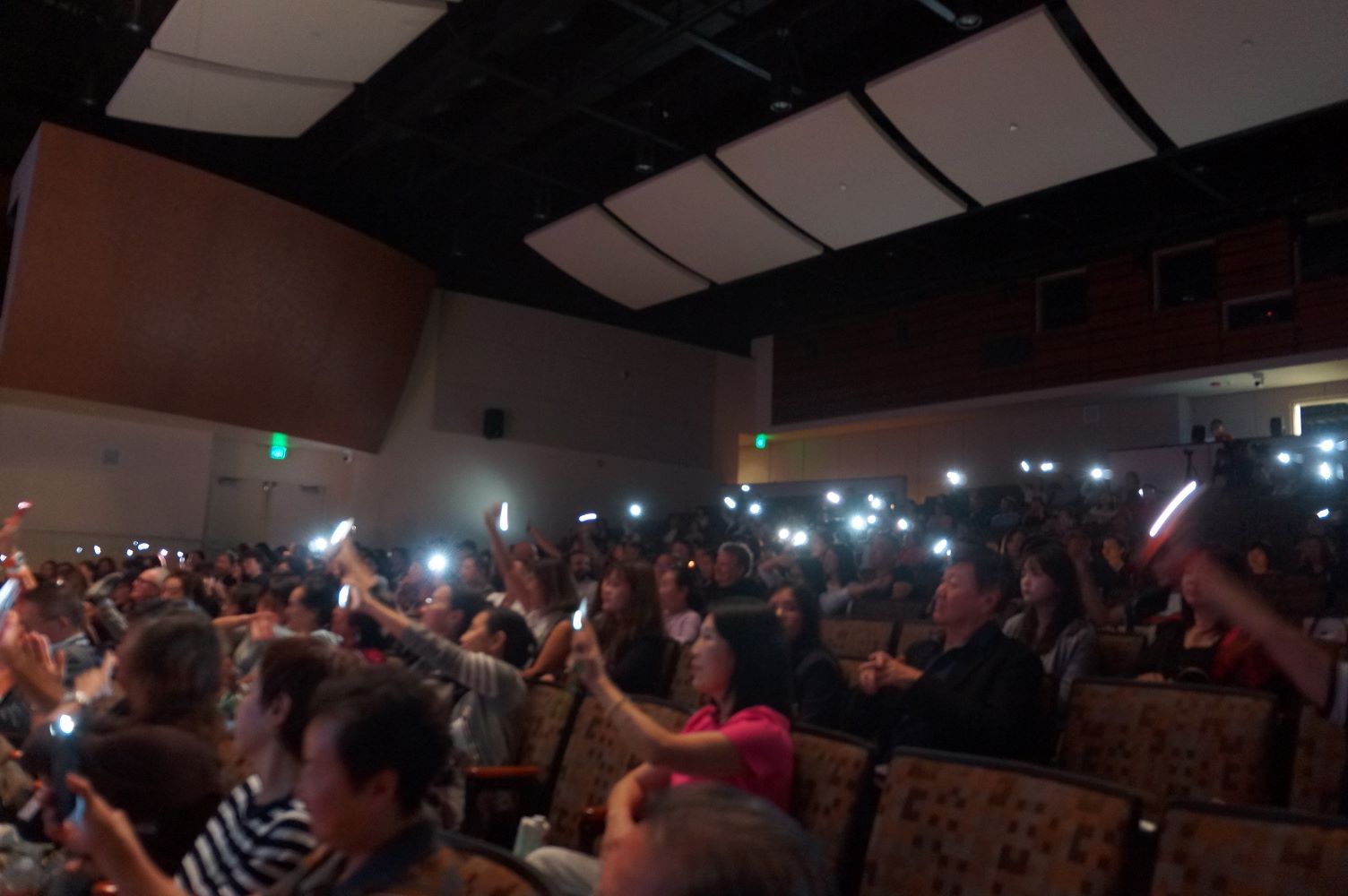
(Photo by: Richard Ren/LAPost)
(Photo by: Richard Ren/LAPost)
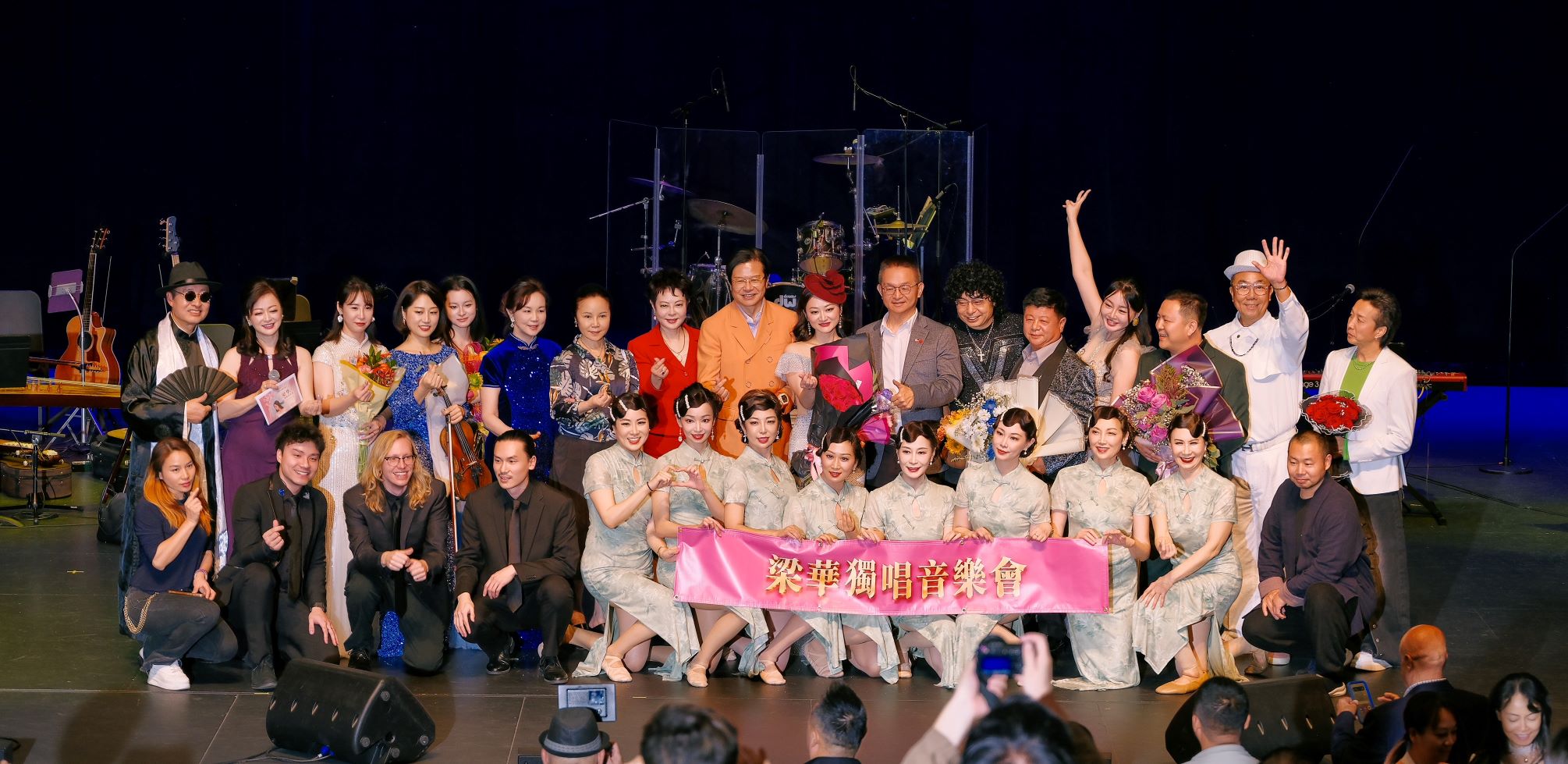
Photo provided by Helen Liang