A Century of Cinema: Lisa Lu Celebrated at UCLA as Filmmaking Legends Tang Shu Shuen, Chiao Hsiung-Ping and a New Generation of Chinese Stars Pay Tribute
LAPost/Los Angeles, CA (Nov. 1, 2026) — By Richard Ren/LAPost
A century of life, an artistic journey spanning East and West, and the shared memories of generations of Chinese-language filmmakers came together Oct. 31 at UCLA, where legendary Chinese American actress Lisa Lu was honored at a centennial tribute at the James Bridges Theater.
Titled “A Centennial Tribute to Lisa Lu,” the event also featured a special screening of Lu’s latest film, Leaving a Trace. Through a retrospective of her work and a gathering of fellow artists, the evening celebrated an actress whose career has spanned Hollywood and the Chinese-language film industries.
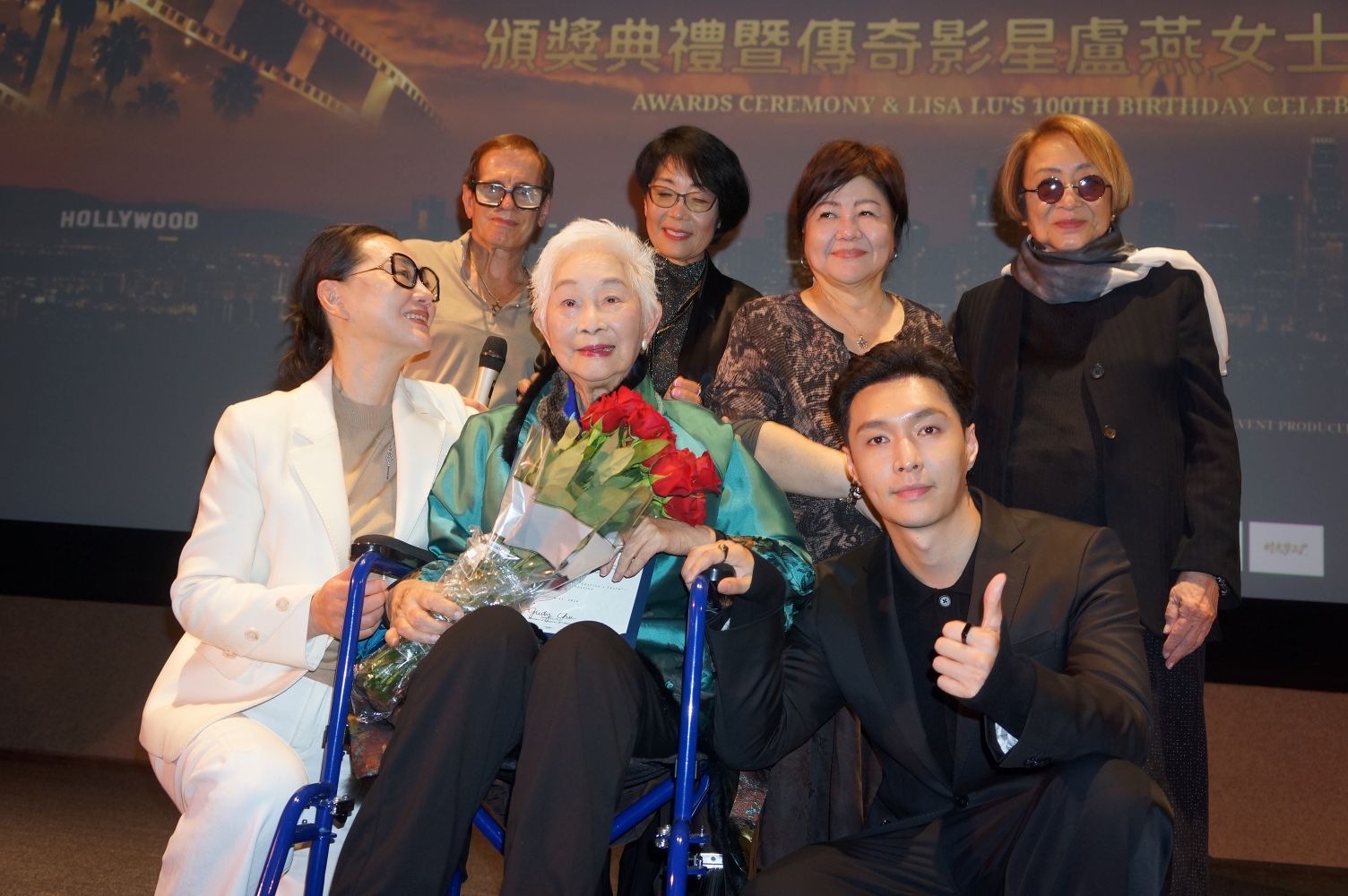
Front row, from left: Song Jia, Lisa Lu and Lay Zhang. (Photo by Richard Ren/LAPost)
Accompanied by her daughter, Lu arrived in high spirits and joined guests onstage. Special guests included Tang Shu Shuen, a pioneer of the Chinese-language New Wave; acclaimed actress, writer, screenwriter and producer Song Jia; and actor Lay Zhang, who is currently studying in Los Angeles. Organizers also presented a compilation of clips from Lu’s films over the decades, highlighting the breadth of her screen career.
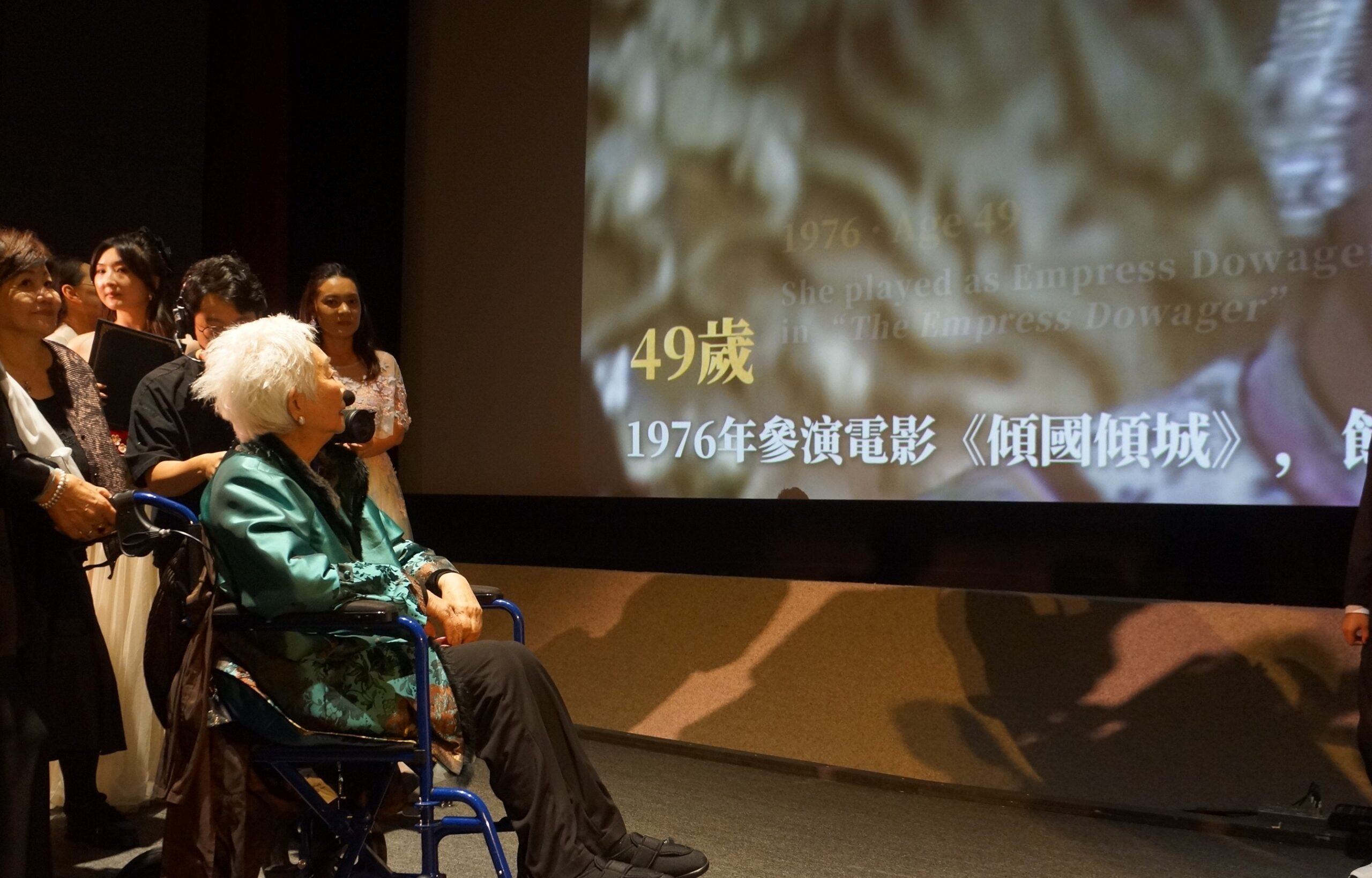
Lisa Lu watches a retrospective compilation of her film performances. (Photo by Richard Ren/LAPost)
Beyond a centennial celebration, the gathering brought together different generations of Chinese-language filmmakers to recognize a significant chapter in cinema history and the legacy of an artist whose work has crossed cultural and geographical boundaries.
Chiao Hsiung-Ping Brings Cinema Legends Together
A key figure behind the gathering was internationally renowned Chinese-language film critic, producer and cultural advocate Chiao Hsiung-Ping.
A former doctoral student at UCLA and a member of the Academy of Motion Picture Arts and Sciences (AMPAS), Chiao has spent decades promoting Chinese-language cinema internationally. Her work spans film criticism, international festival programming, cross-cultural film promotion and support for emerging filmmakers. She has also played an important role in connecting established industry figures with younger generations of filmmakers.
For Lu’s centennial tribute, Chiao was instrumental in coordinating the event and bringing Lu and Tang together after many years, while inviting artists from different generations to participate.
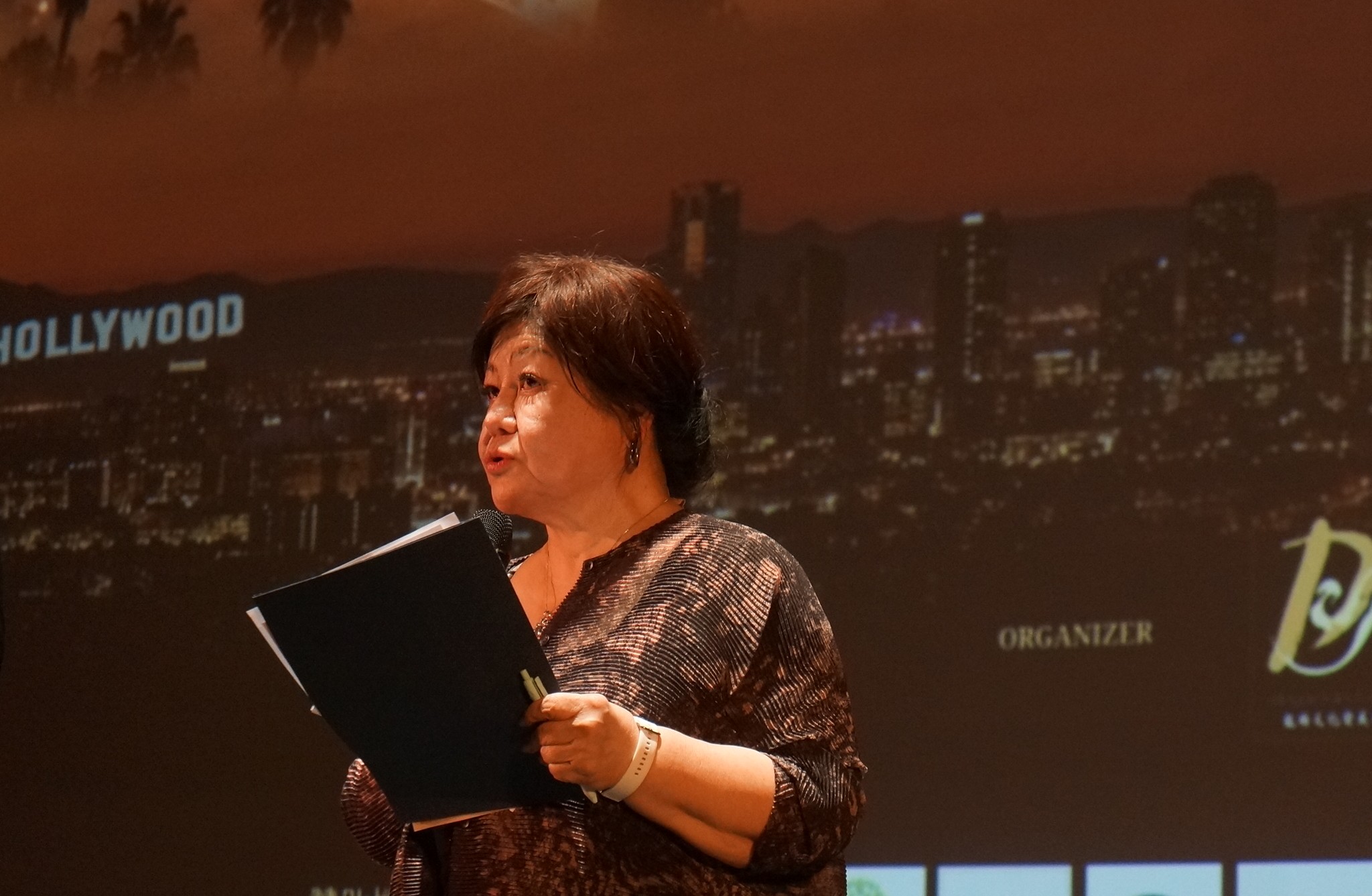
Chiao Hsiung-Ping introduces Lisa Lu’s film career and contributions to Chinese-language cinema. (Photo by Richard Ren/LAPost)
In her introduction, Chiao recalled the difficulties Chinese actors faced in Hollywood during the 1960s and 1970s. Citing the casting of the television series Kung Fu, she noted that Bruce Lee was passed over for the lead role, which ultimately went to David Carradine. The episode reflected the limited opportunities available to Asian performers in Hollywood at the time.
Lu also chose to return to Asia during that period to pursue new acting opportunities, a decision that led to a major turning point in her career.
Chiao highlighted Tang’s 1970 film The Arch, which earned Lu the Golden Horse Award for Best Actress and brought Tang international recognition. The film’s selection for the Cannes Film Festival was a significant milestone for Chinese-language cinema.
Recalling her own university film club days, Chiao said she and her fellow students were fascinated by the film’s visual composition, cinematic aesthetics and Lu’s nuanced yet powerful performance. She described The Arch as an influential work that affected a generation of filmmakers, including Ang Lee, Hou Hsiao-hsien, Edward Yang and John Woo, while helping inspire the subsequent Taiwan New Wave and Hong Kong New Wave movements.
From Peking Opera to Hollywood: Lu’s East-West Artistic Journey
Chiao also outlined the breadth of Lu’s artistic career, which encompasses film, theater and cultural exchange.
During her years working with Shaw Brothers Studio, Lu collaborated with prominent directors such as Li Han-hsiang and portrayed a number of iconic historical and literary figures, including Empress Dowager Cixi, Grandmother Jia in Dream of the Red Chamber and She Tai-jun in The Generals of the Yang Family. In her forties, Lu was already taking on elderly roles, demonstrating a range that would become a defining feature of her career.
Years later, Italian filmmaker Bernardo Bertolucci cast her again as Empress Dowager Cixi in The Last Emperor, introducing her performance to a wider international audience.
Lu’s acting foundation reflects an unusual combination of Eastern and Western artistic traditions. Growing up in an environment shaped by Peking Opera master Mei Lanfang, she received traditional Chinese opera training before pursuing formal Western theater studies in the United States. The combination informed her physical expression, use of gesture and facial expression, and stage presence.
Beyond film, Lu has maintained a longstanding presence in theater, performing in classical, contemporary and experimental productions. She has also translated theatrical works between Chinese and English, contributing to cultural exchange between the two traditions.
Her stage credits include Bai Xianyong’s A Dream of Red Mansions: A Garden of Dreams (commonly known as A Garden of Dreams) and Oscar Wilde’s The Importance of Being Earnest, as well as the seven-and-a-half-hour theatrical production A Dream Like a Dream.
Her filmography is equally diverse, spanning historical epics, art-house productions and Hollywood commercial films. Among her notable credits are The Joy Luck Club and Crazy Rich Asians, two landmark productions featuring predominantly Asian and Asian American casts.
Chiao also noted that Lu was the first Chinese American actress to become a member of the Academy of Motion Picture Arts and Sciences. She has additionally served in judging capacities for major entertainment awards, including the Emmy Awards, Screen Actors Guild Awards and Golden Globes. Through writing, translation and research, Lu has also helped introduce developments in Hollywood and the international film industry to Asian audiences.
Throughout her career, Lu has continued to work across countries, cultures and film genres, becoming an important figure in the exchange between Chinese-language cinema and the international film community.
At the end of her introduction, Chiao invited Tang to the stage, describing the director as a pivotal figure who helped change the course of Lu’s artistic life. She encouraged the audience to welcome the Chinese-language New Wave pioneer with applause.
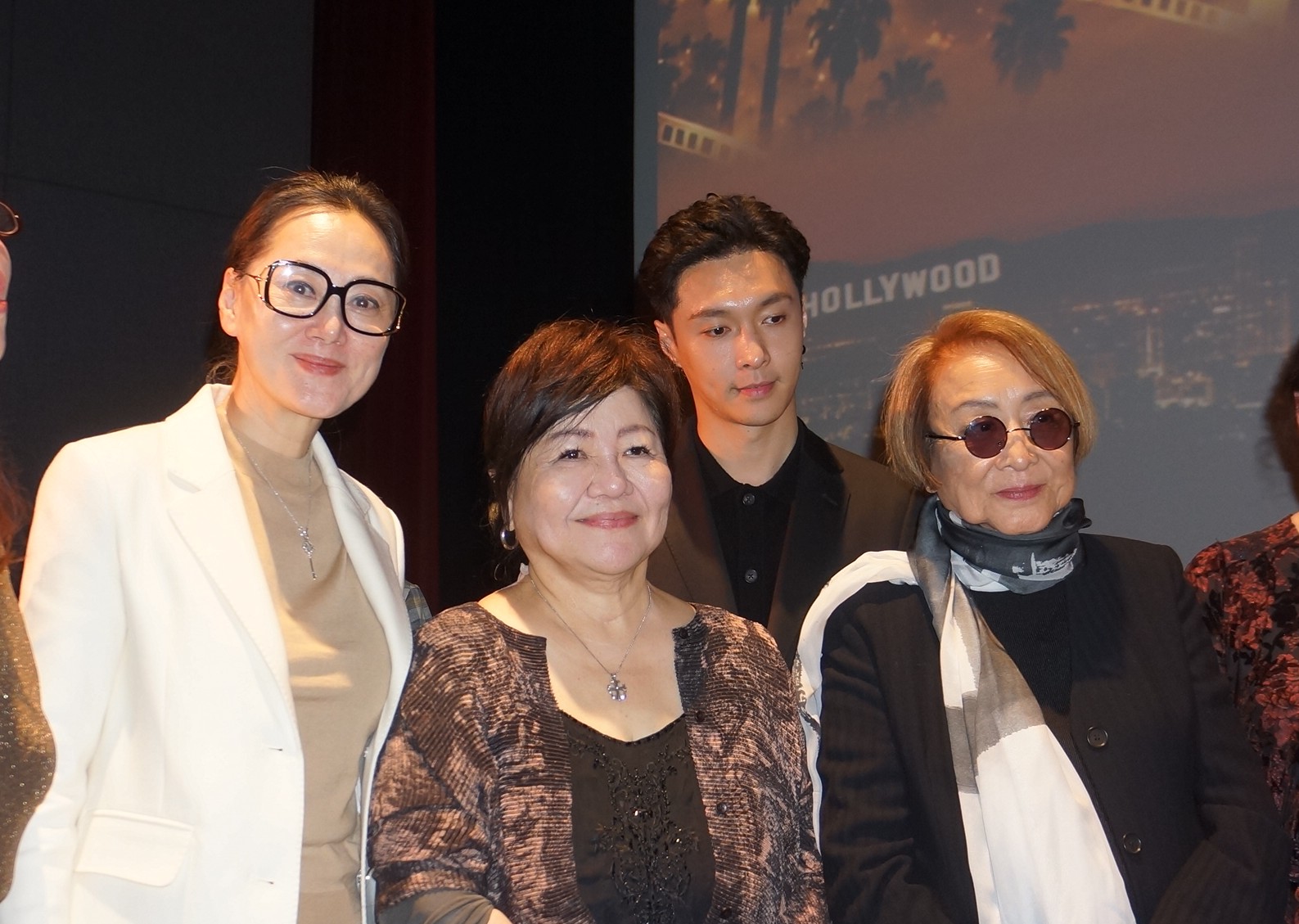
From left: Song Jia, Chiao Hsiung-Ping, Lay Zhang and Tang Shu Shuen. (Photo by Richard Ren/LAPost)
Lisa Lu and Tang Shu Shuen Reunite to Revisit The Arch
One of the evening’s most significant moments was the reunion of Lu and Tang, who had not seen each other in person for a considerable time despite both having lived in Los Angeles for years.
Their collaboration on The Arch remains a landmark in both careers. The film earned Lu her first Golden Horse Award for Best Actress, an honor she continues to regard as one of the most memorable achievements of her acting career. For Tang, the film established her as an important figure in the international Chinese-language film scene and a pioneer of the New Wave movement.
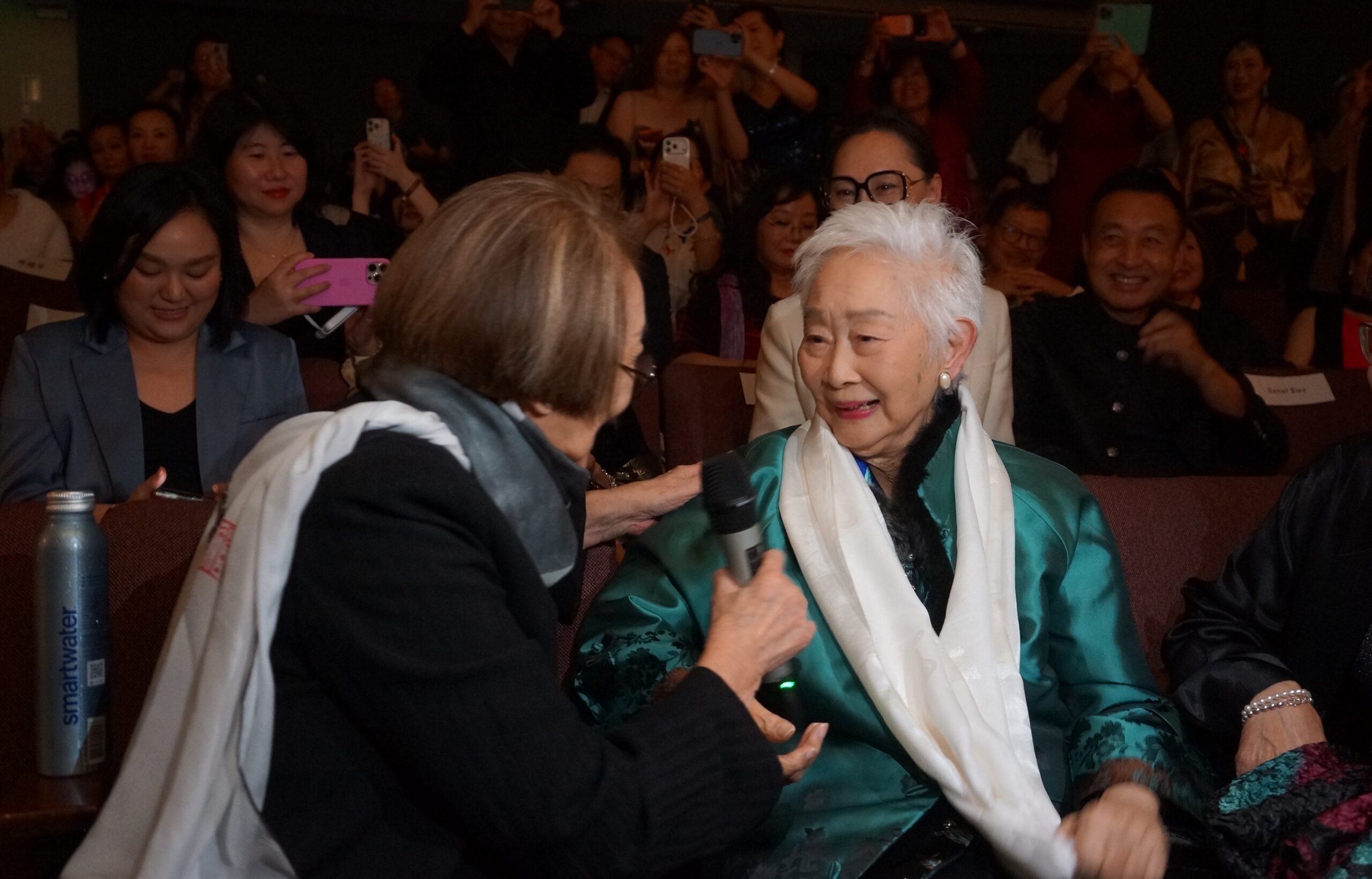
Lisa Lu and Tang Shu Shuen in conversation. (Photo by Richard Ren/LAPost)
During their onstage conversation, Lu recalled the production of The Arch and candidly acknowledged that she had offered Tang numerous suggestions during filming. At the time, Lu explained, she was older and had more filmmaking experience than the young director, which led her to share her opinions on various aspects of the production.
Their exchange reflected the personal connection established through their collaboration decades earlier. Lu even encouraged Tang to write another screenplay, saying she would be willing to act in it.
The reunion brought renewed attention to the making of a landmark Chinese-language film and the creative relationship between a director and actress whose collaboration helped shape an important chapter in cinema history.
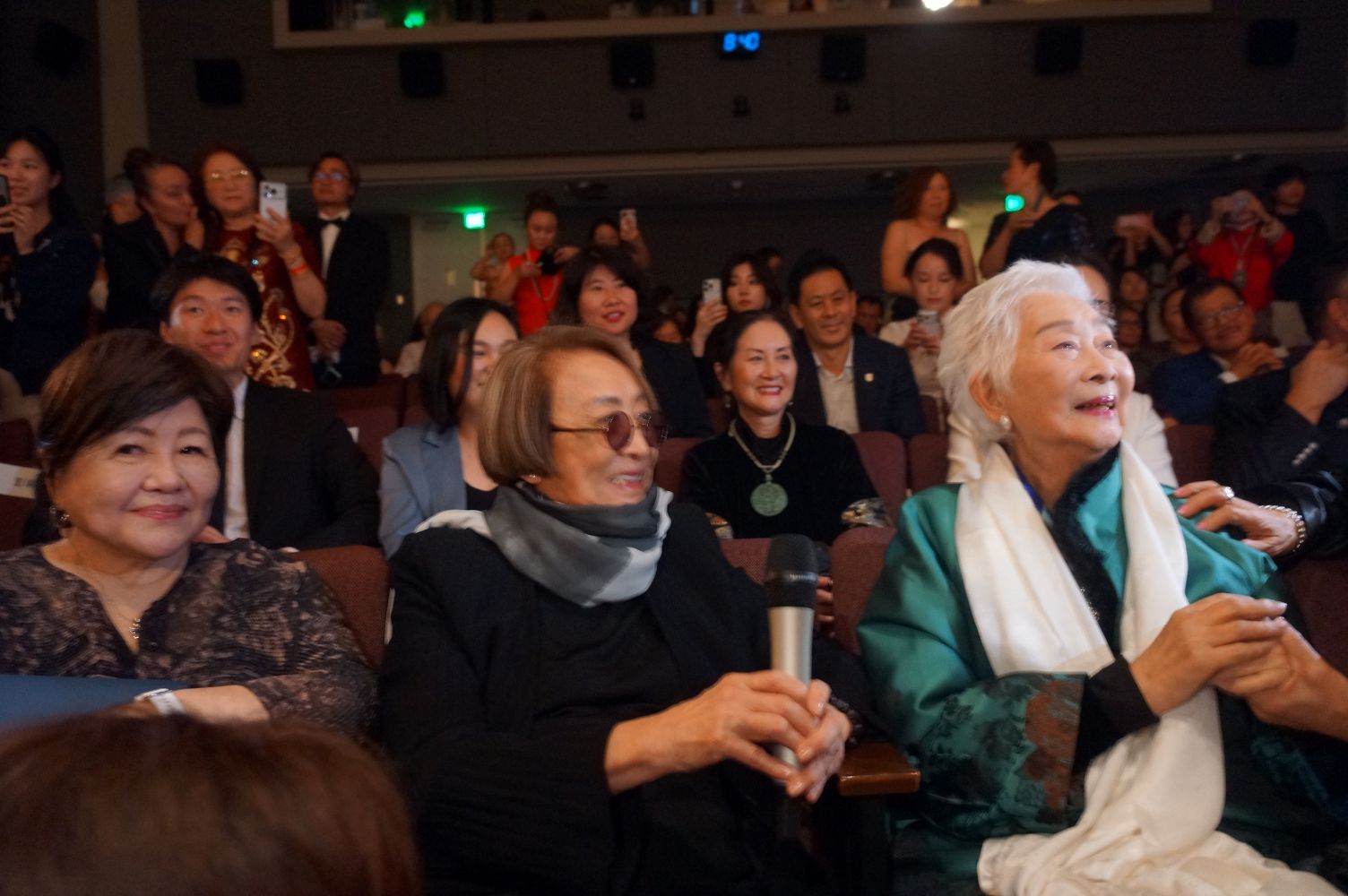
From left: Chiao Hsiung-Ping, Tang Shu Shuen and Lisa Lu. (Photo by Richard Ren/LAPost)
Song Jia Presents Flowers in Tribute: “Art Has No Age”
Acclaimed actress Song Jia, a two-time winner of the Hundred Flowers Award for Best Actress, took the stage to present Lu with a bouquet of flowers.
Song said the flowers represented not only her personal respect but also the affection of everyone who has followed and appreciated Lu’s work. She recalled sitting in the audience and wondering whether she herself could remain as elegant, beautiful and energetic as Lu when she reaches 100.
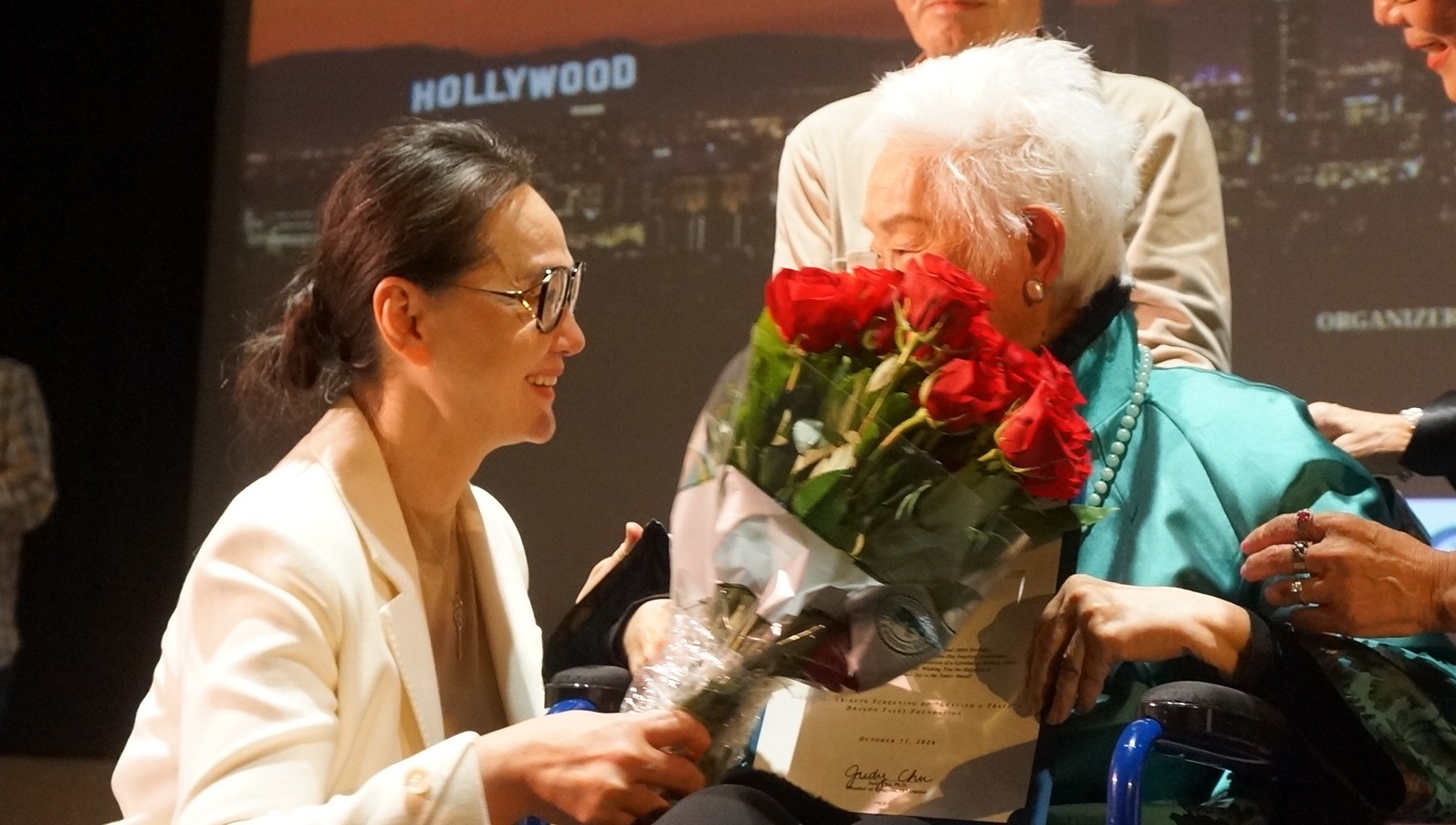
Song Jia presents flowers to Lisa Lu. (Photo by Richard Ren/LAPost)
With a touch of humor, Song remarked that Lu seemed to have hidden time itself, as the years continued to pass while she remained youthful and full of vitality. She said Lu’s century-long artistic journey demonstrated that “art has no age, and passion never retires,” before wishing her continued health and happiness.
The following morning, Song shared a reflection on social media about the moment. She explained that her gesture of lowering herself and kneeling on one knee while presenting the flowers had not been rehearsed, but came spontaneously from her respect for an artist who had devoted her life to the arts and the screen.
Lay Zhang Joins the Celebration, Representing a Younger Generation
The attendance of actor Lay Zhang added another generational dimension to the gathering.
Currently studying in Los Angeles, Zhang attended at Chiao’s invitation. During the event, he followed the organizers’ arrangements, delivered remarks onstage, participated in commemorative photographs and watched Lu’s latest film, Leaving a Trace, remaining through the conclusion of the program.
Throughout the evening, Zhang was courteous and respectful toward the organizers and fellow guests, demonstrating good manners and respect for senior artists. A prominent film critic at the event praised him as a leading representative of the new generation of Chinese-language entertainment, citing his public influence and professional demeanor.
From Lu and Tang to Chiao, Song and Zhang, the gathering brought together artists from different generations and backgrounds, illustrating the continuing connections between Chinese-language cinema’s past, present and future.
The retrospective screening and presentation of Lu’s latest film brought the audience’s attention back to a screen career spanning several decades.
From her early efforts to find opportunities across the Eastern and Western film industries, to the international recognition she received through The Arch, and her later appearances in The Last Emperor, The Joy Luck Club and Crazy Rich Asians, Lu’s artistic journey has crossed countries, cultures and cinematic eras.
The UCLA centennial tribute marked an important milestone in the life of a Chinese-language cinema legend. The reunion of Lu and Tang, Chiao’s longstanding efforts to promote Chinese-language cinema internationally, and the participation of artists from younger generations, including Song Jia and Lay Zhang, together made the evening a notable gathering in the continuing history of Chinese-language film.