Next-Gen Voices Rise in NYC: Teen Leaders Converge to Redefine Innovation in the Age of AI
LAPost / New York, NY (April 23, 2026) — The 2026 U.S. Teen Leadership Summit concluded on April 18 in Queens, New York, bringing together more than 150 high-achieving students, youth entrepreneurs, educators, and nonprofit leaders from across the country. Organized by InGenius Prep USA, the summit positioned itself as a national मंच for dialogue, collaboration, and forward-thinking exploration at the intersection of youth leadership and emerging technologies.
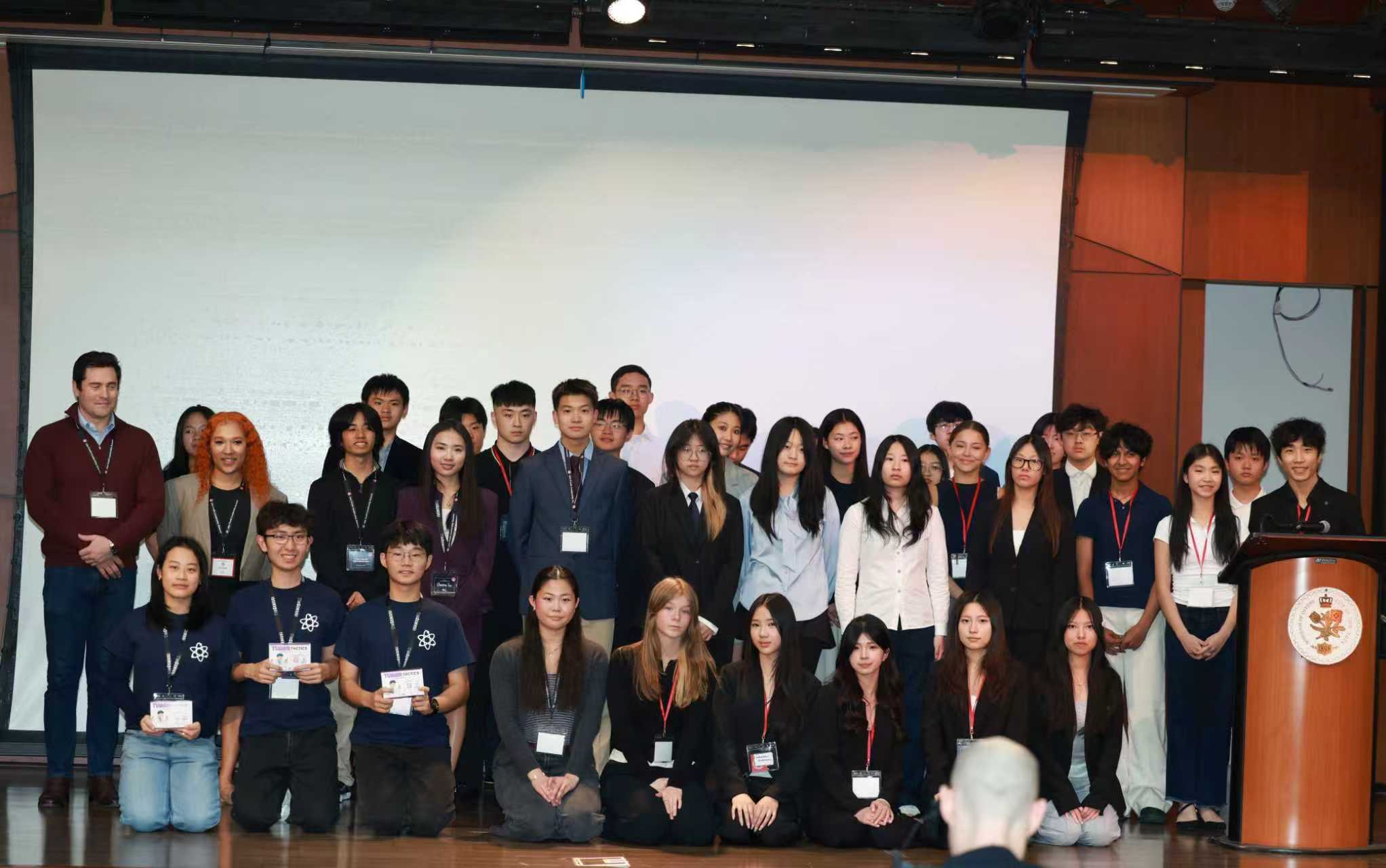
Focusing on themes such as leadership development, social innovation, and the transformative role of artificial intelligence in education, the event offered a dynamic mix of keynote discussions, project showcases, and networking opportunities. Participants engaged in critical conversations about how the next generation can navigate—and shape—an increasingly AI-driven world.
A central highlight of the summit was the final round of a nationwide selection process that identified ten standout teen-led initiatives. These projects, spanning social impact, technological advancement, and cultural communication, were presented and evaluated by a panel of professionals. The diversity and depth of these initiatives underscored a notable shift: high school students are no longer passive learners, but active contributors to real-world problem-solving and civic engagement.
According to organizers, the summit was designed not just as a competition, but as an incubator for ideas. Through mentorship, funding opportunities, and expert feedback, participants were encouraged to transform concepts into scalable solutions. “This is more than a competition—it’s a launchpad,” said Xueping Geng, Senior Director of InGenius Prep’s New York office. “Students gain visibility, validation, and most importantly, the tools to bring their ideas to life.”

The event also featured perspectives from the public sector. Katherine Otilia Zapata, Director of Education at the Queens Borough President’s Office, addressed attendees with insights on youth development and community-based talent cultivation, offering a policy-oriented lens on how institutions can better support emerging leaders.
Social impact remained a strong thread throughout the summit. In the public service and nonprofit segment, organizations highlighted the growing role of youth-led initiatives in addressing community needs. Stephanie Zabriskie, Founder and Executive Director of HUMANCULTURE, emphasized that teen-driven projects are not only expanding access to essential services, but also preserving cultural heritage through grassroots documentation efforts. “Young people are no longer just participants—they are becoming architects of change,” she noted.
Artificial intelligence emerged as one of the most debated topics. Joel Butterly, Co-founder of InGenius Prep, pointed to the dual-edged nature of AI in education. While digital tools are enhancing efficiency and boosting academic performance, he cautioned that deeper learning outcomes may not be keeping pace. “We’re seeing higher grades, but not necessarily stronger understanding,” he said, warning that this trend could eventually disrupt college admissions metrics and evaluation standards.
For many student participants, the summit offered more than recognition—it created pathways for collaboration. Isabella Liu, founder of Dance to Empower and one of the Top 10 honorees, shared that the experience helped her identify potential partnerships and refine her project’s long-term direction.
Innovation was equally evident in the technology track. Davis Meng, founder of Shotdoc and a Top 10 finalist and founder of Shotdoc led a real-time sports analytics system designed to provide instant feedback to athletes at the moment of action. His project reflects the accelerating convergence of AI, data science, and performance optimization across sectors.
As the summit concluded, one message stood out clearly: today’s teens are not waiting for the future—they are actively building it. The event highlighted a broader trend of convergence between education, technology, and social responsibility, suggesting that the next chapter of innovation will be defined not only by technological advancement, but by the values and vision of a new generation.