OYCF Annual Meeting Reflects on 35 Years of China’s One-Child Policy Through Intergenerational Academic Dialogue
by admin · Published · Updated
LAPost/Irvine, California (May 24, 2026) — The 2026 Overseas Young Chinese Forum (OYCF) Annual Meeting, co-hosted by the Overseas Young Chinese Forum and the University of California, Irvine Long U.S.-China Institute, was held May 23 in Irvine, California.
Centered on the theme “History, Politics and Policy: Chinese One-Child Policy 35 Years,” the conference brought together scholars, media professionals, and young researchers from the United States, China, and beyond. Through four panel discussions, participants revisited one of the most consequential public policies in modern Chinese history from perspectives including history, demography, sociology, gender studies, media, and overseas academic experiences.
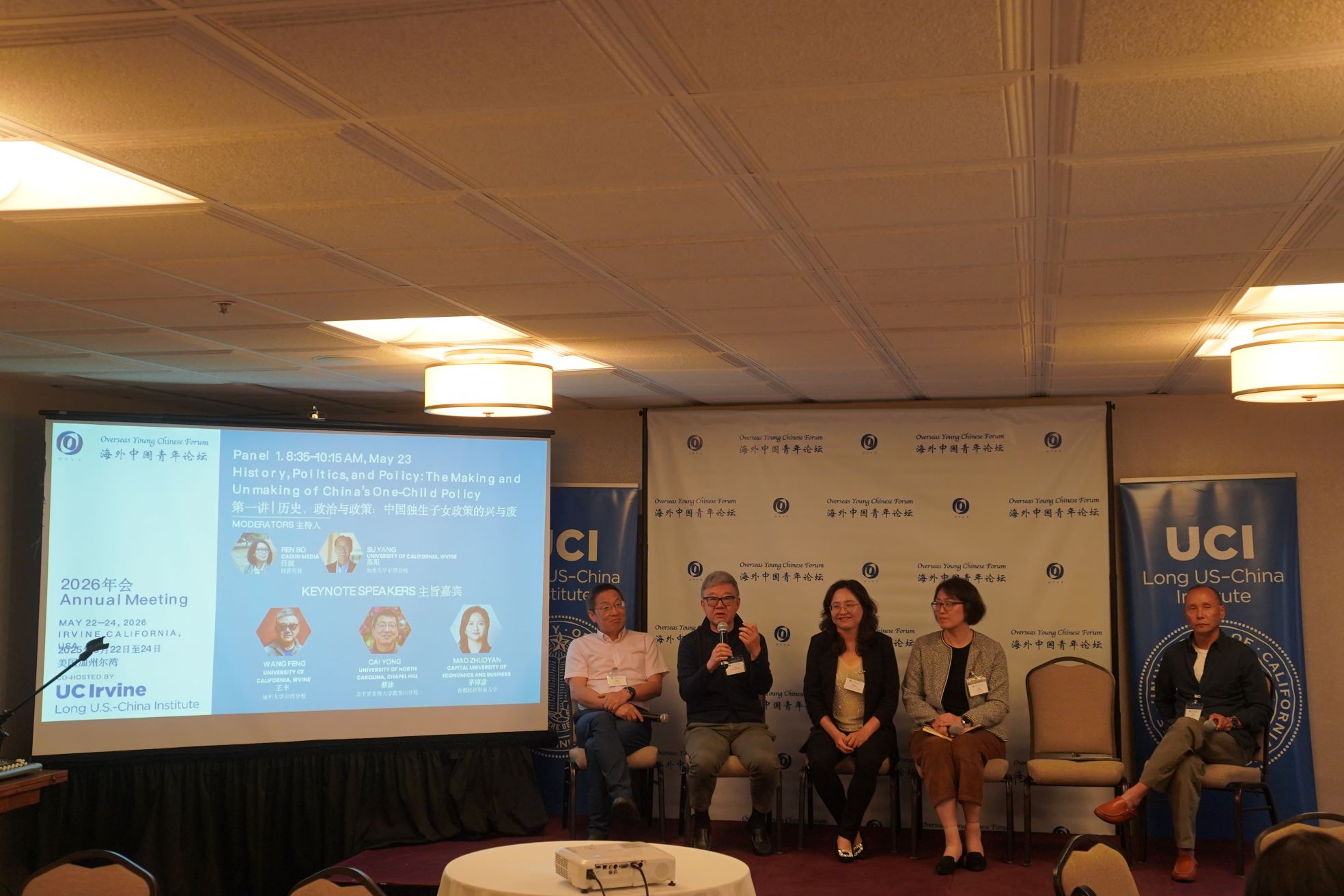
Panel 1. History, Politics, and Policy: The Making and Unmaking of China’s One-Child
Policy(Photo by: Richard Ren/LAPost)
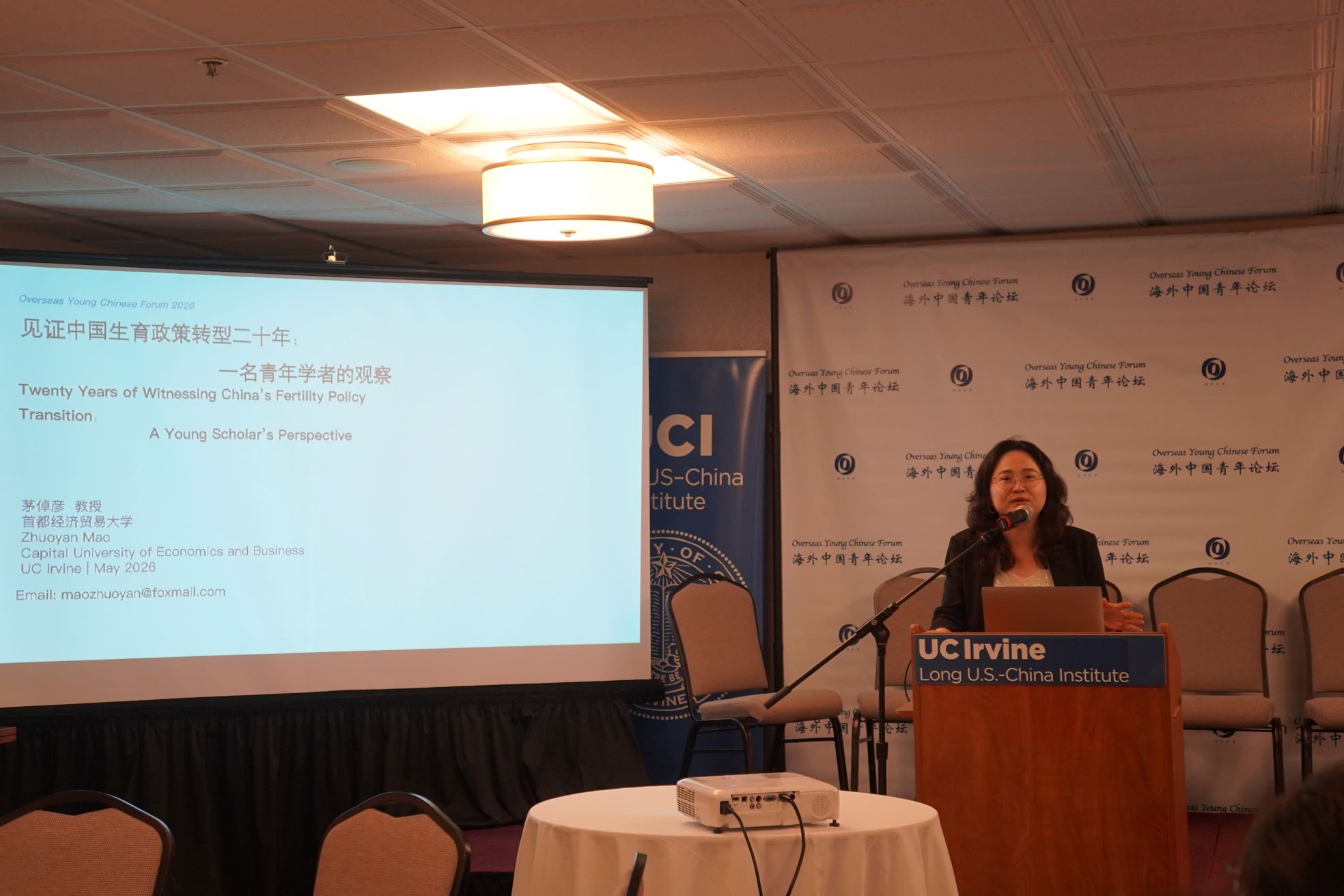
The opening panel, “History, Politics, and Policy: The Making and Unmaking of China’s One-Child Policy,” focused on the policy as one of the largest social engineering projects of the twentieth century. WANG Feng, distinguished professor of sociology at UC Irvine; CAI Yong, Associate professor of sociology at the University of North Carolina at Chapel Hill; and MAO Zhuoyan, professor and director of the Population and Family Economics Research Center at Capital University of Economics and Business, discussed how the one-child policy was created, how it eventually ended, and how it evolved through five generations of Chinese leadership over 35 years.
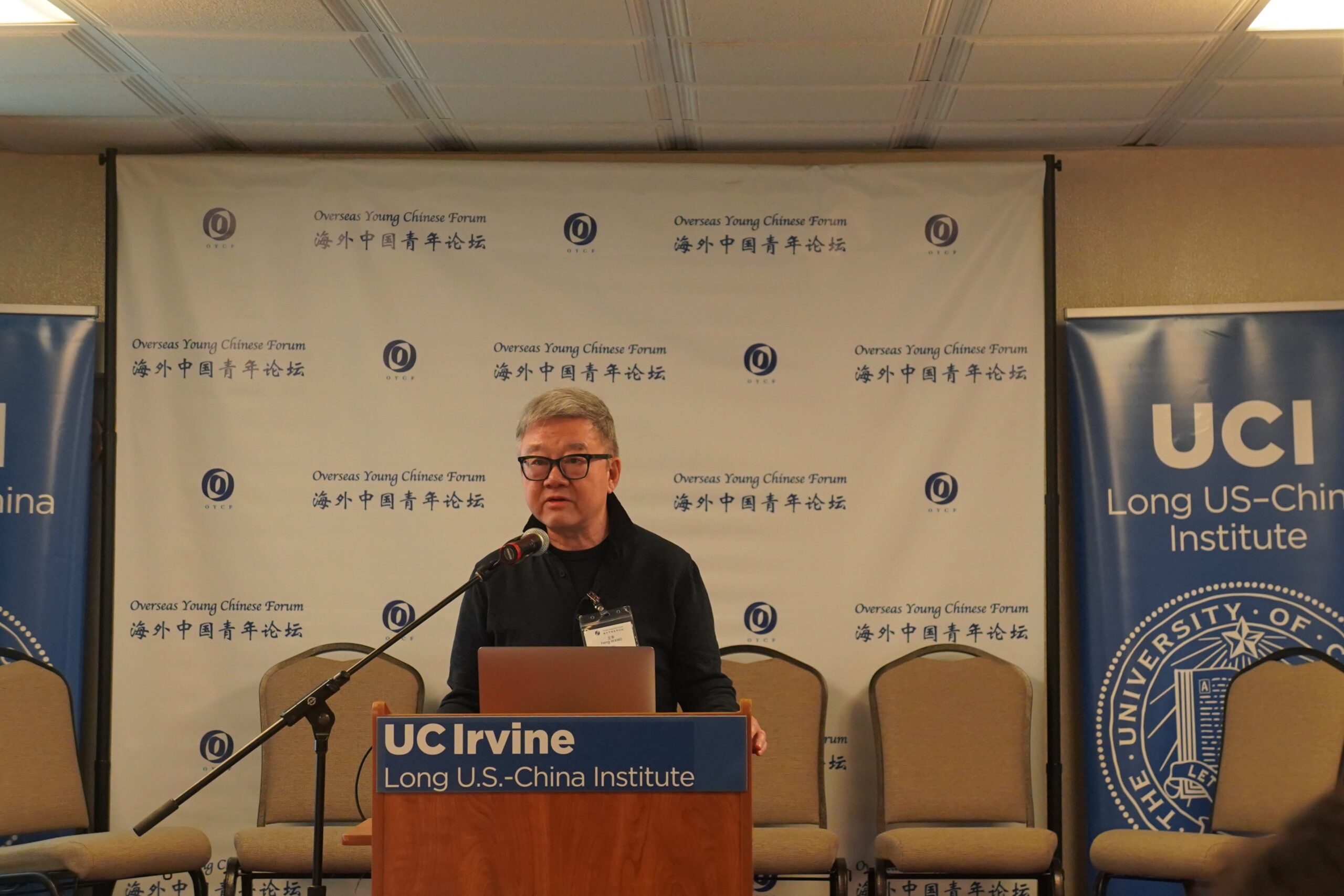
WANG Feng, Distinguished Professor of Sociology, University of California, Irvine(Photo by: Richard Ren/LAPost)
The speakers emphasized the repeated efforts made by scholars and key policymakers inside the government throughout the decades. They noted that while the policy was initially framed as “a sacrifice by one generation for the nation’s future,” its prolonged implementation contributed to challenges including low birth rates, rapid population aging, and structural imbalances within Chinese families.
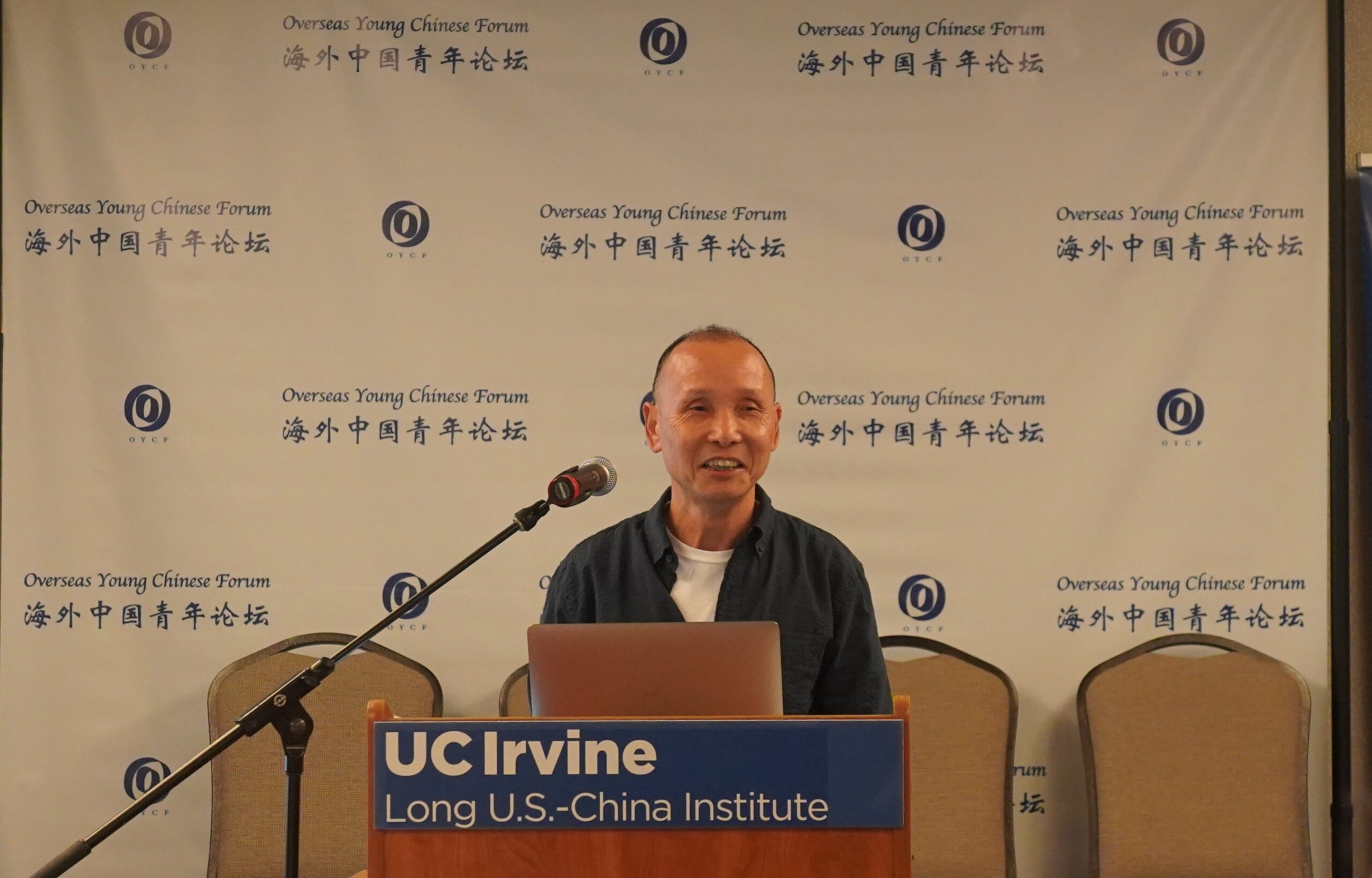
SU Yang, Professor of Sociology, University of California, Irvine(Photo by: Richard Ren/LAPost)
SU Yang, professor of sociology at UC Irvine and moderator of the session, said he had attended OYCF annual meetings for more than 20 years and described this year’s gathering as the largest, youngest, and most well-attended in the forum’s history.
He attributed the strong turnout not only to the forum’s increasingly mature organization, but also to the prominence of the scholars participating in this year’s discussions. “The experts discussing the evolution of the one-child policy today — including Professor Gu Baochang, who could not attend in person — are essentially the ‘all-star team’ of China population studies,” Su said.
Su also reflected on the sense of “powerlessness” often felt by social scientists. “Researchers studying earthquakes feel helpless when disasters occur. Scholars working on war or international relations may lose sleep watching conflicts in Ukraine or the Middle East,” he said. “But the story we heard today about the one-child policy is a rare and deeply inspiring example in the social sciences. These scholars truly used their research to influence social policy and even alter the course of history.”
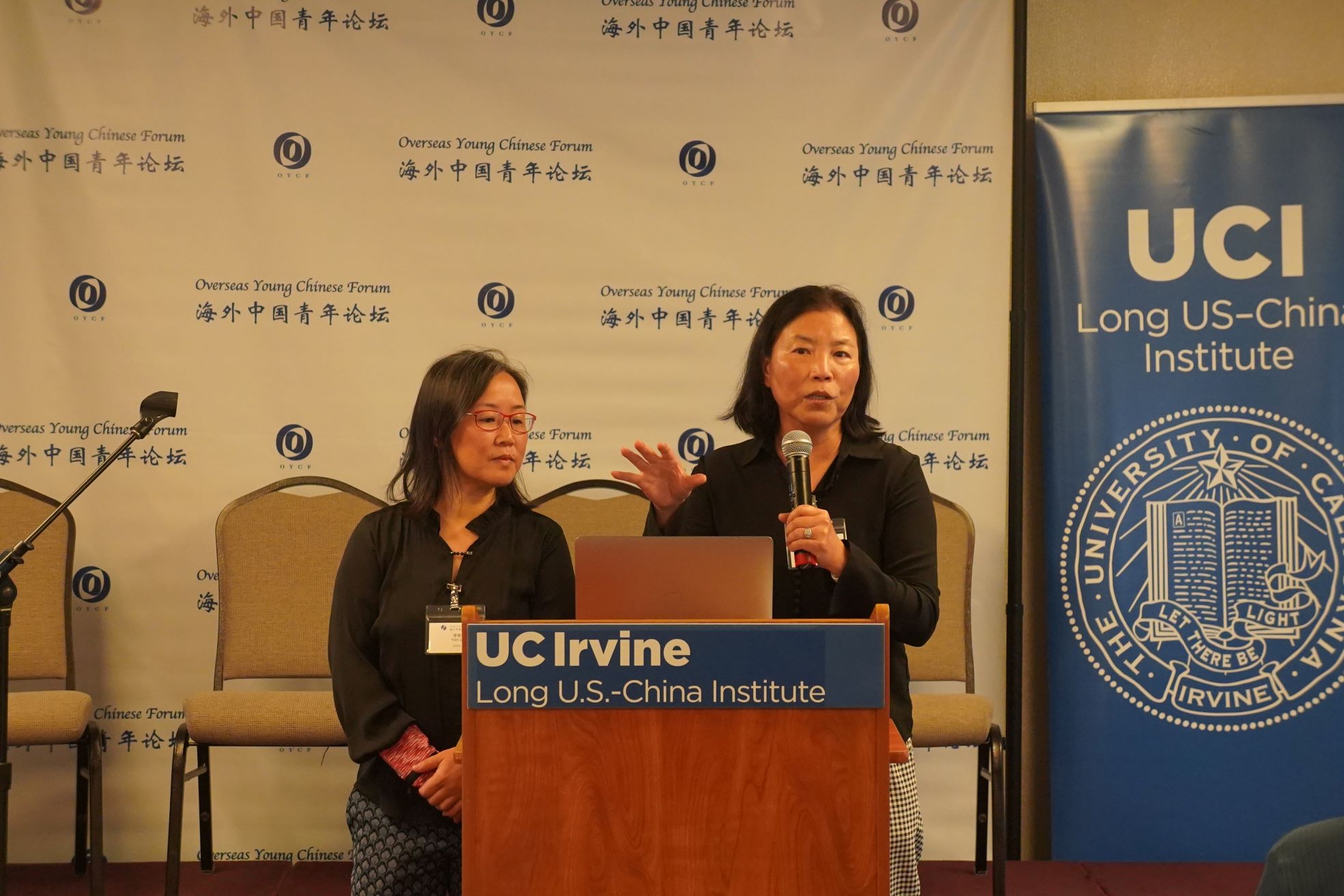
State of OYCF Report & OYCF-Stilwell Fellowship Announcement(Photo by: Richard Ren/LAPost)
During the “OYCF Annual Report & Stilwell Fellowship Announcement” session, organizers reviewed the forum’s progress over the past year in youth academic exchange, fieldwork support, and inter-university collaboration.
MA Junling, chair of OYCF, said the organization has worked since 1999 to provide a platform for scholars, students, and professionals in the humanities and social sciences who are interested in China’s development. “Annual meetings like today’s are exactly the kind of event we hope to continue building for the long term,” she said.
Ma explained that in addition to organizing annual conferences, OYCF continues to fund field research projects in China for graduate students and young scholars. Since 2024, the organization has also launched the Stilwell Scholarship to support projects related to China studies. OYCF has additionally begun funding student organizations and China-related academic activities on university campuses.
She also reflected on OYCF’s long history of collaboration with American universities. The forum first partnered with University of California, Irvine in 2006 and returned to Irvine this year for another joint conference with UC Irvine, which she described as particularly meaningful.
HUANG Kaimeng, the inaugural recipient of the 1995 Stilwell Scholarship, shared reflections on his experience studying in the United States and encouraged younger scholars to maintain independent thinking and cross-cultural engagement.
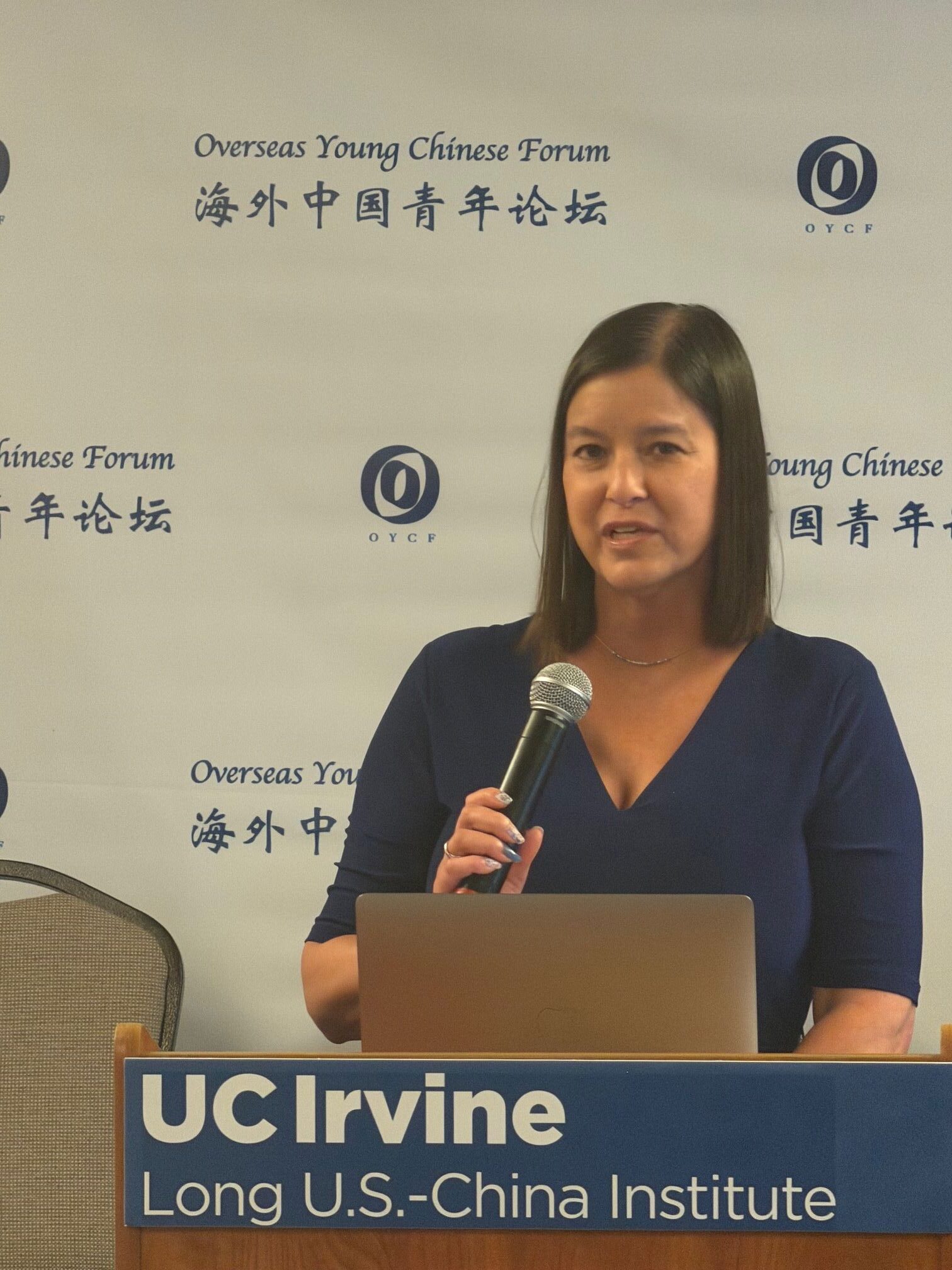
Susan Cole(Photo by: Richard Ren/LAPost)
Susan Mai Easterbrook Cole, great-granddaughter of World War II General Joseph Stilwell, also attended the conference and delivered remarks. She said the Stilwell family’s multi-generational connection with China reflects not only family history, but also enduring mutual understanding and friendship between people. The forum also announced the newest recipients of the Stilwell Scholarship.
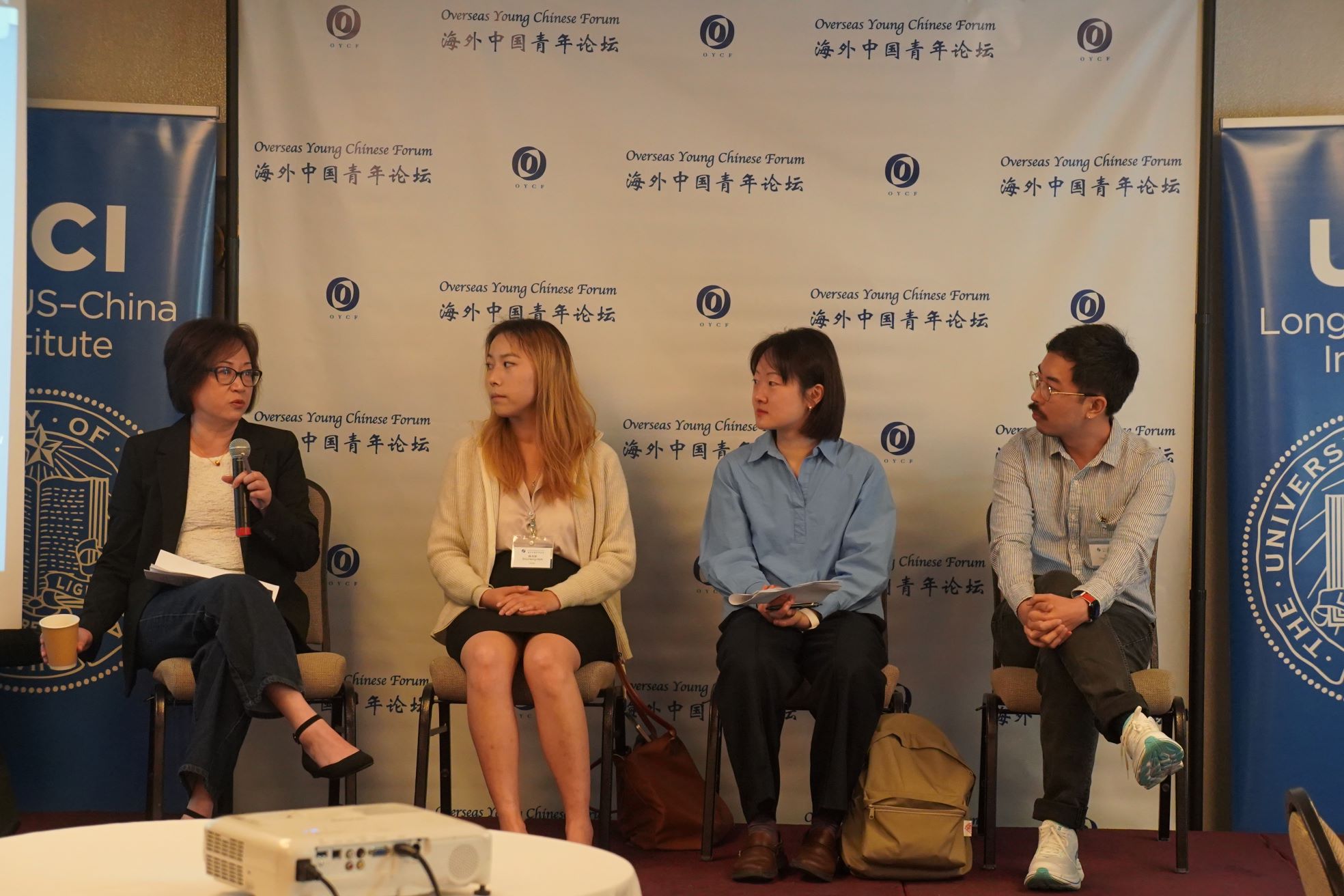
Panel 2. Echoes from the Field: OYCF China Fieldwork Sharing Session(Photo by: Richard Ren/LAPost)
The second panel, “Echoes from the Field: OYCF China Fieldwork Sharing Session,” focused on fieldwork experiences by young scholars conducting research in China. ZHAN Mei, associate professor of anthropology at UC Irvine, along with two doctoral candidates from University of California, San Diego, shared firsthand accounts of conducting social investigations, community observations, and grassroots research in China. The speakers also discussed the new challenges facing overseas scholars studying China amid changing geopolitical conditions.
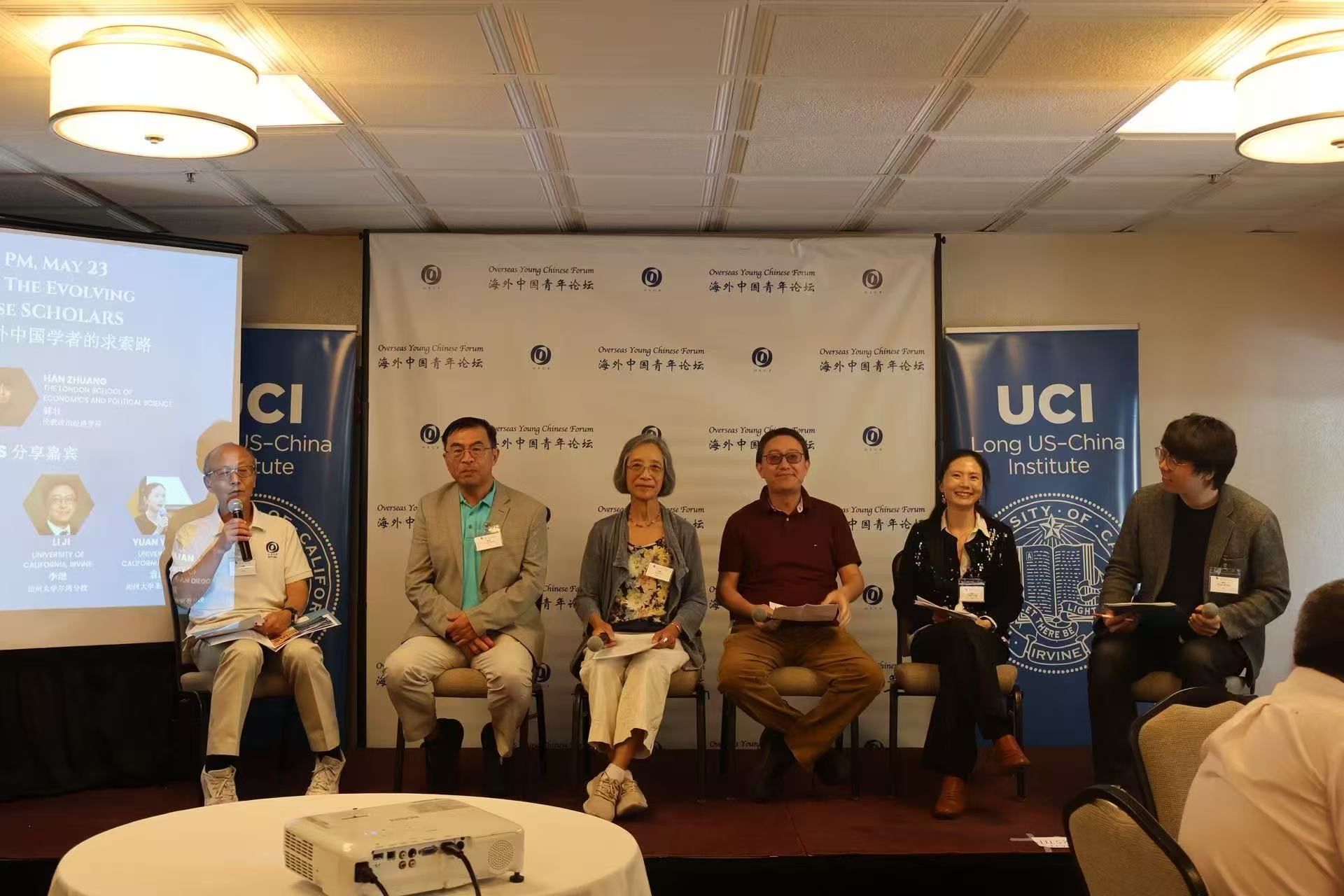
Panel 3. Forty Years Abroad: The Evolving Experience of Overseas Chinese Scholars (Photo provided by OCYF)
In the afternoon, the panel “Forty Years Abroad: The Evolving Experience of Overseas Chinese Scholars” explored the experiences of Chinese students pursuing doctoral studies overseas since China’s Reform and Opening-Up era. Professors and younger scholars from different generations discussed how shifting historical conditions shaped different waves of international students, and how they navigated cultural shocks, academic pressures, and questions of identity while reconstructing their intellectual and personal values abroad.
Participants noted that although the overseas experiences of Chinese students have changed significantly over the past four decades, the pursuit of knowledge, international exchange, personal growth, and community engagement has remained constant. They also emphasized that communities such as OYCF provide especially valuable spaces for intellectual dialogue and mutual support.
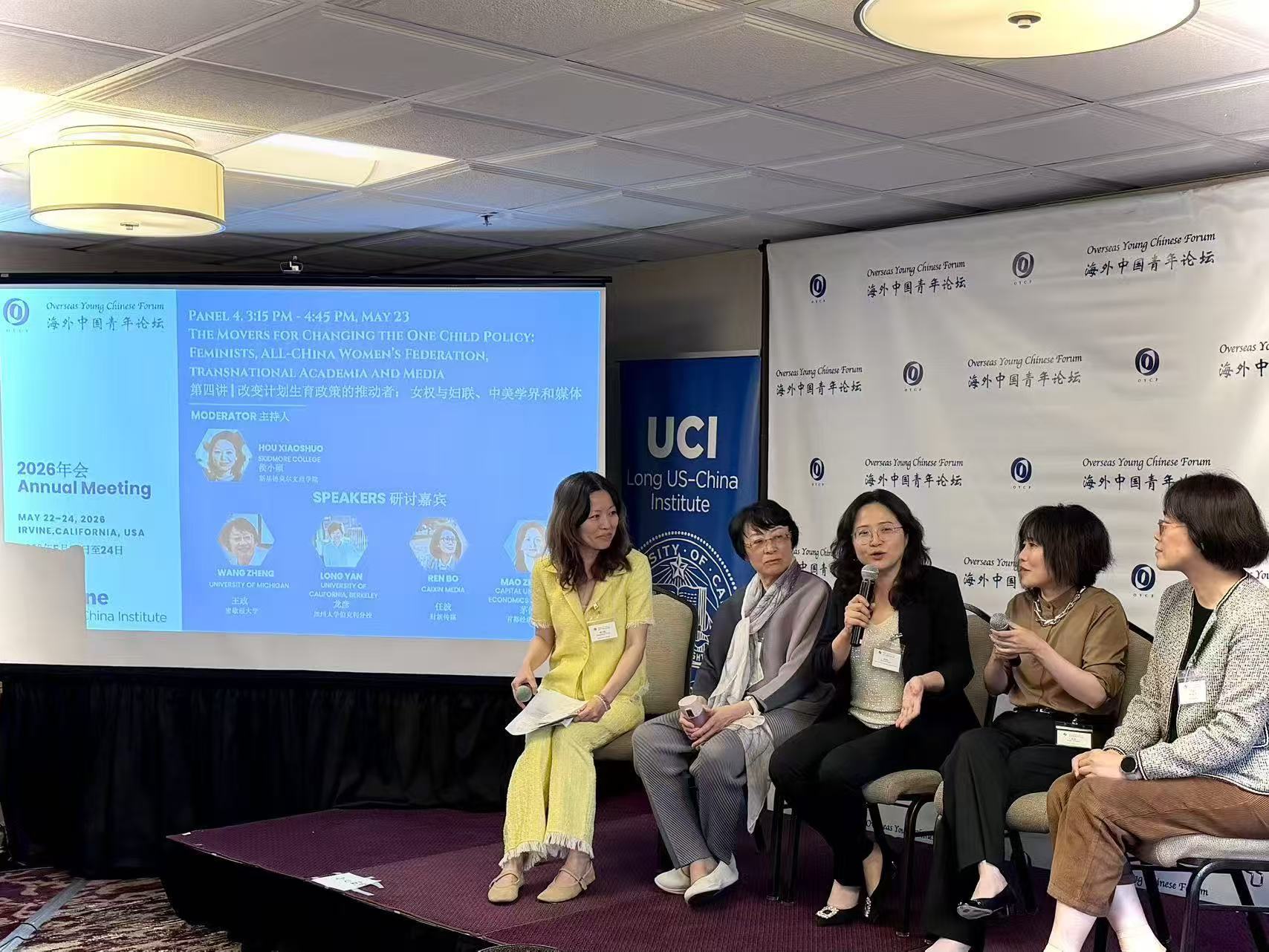
Panel 4. The Movers for Changing the One Child Policy: Feminists, All-China Women’s
Federation, Transnational Academia and Media (Photo provided by OCYF)
The final panel, “The Movers for Changing the One-Child Policy: Feminists, All-China Women’s Federation, Transnational Academia and Media,” examined the diverse forces behind the evolution of China’s population policies. Speakers discussed how feminists, women’s organizations, academics, and media professionals collectively contributed to policy changes.
A recurring theme throughout the panel was “women supporting women.” Discussions also addressed transnational exchanges, feminism within state institutions, and how the rise of educated women — especially only daughters born under the one-child policy — created new possibilities for female agency, autonomy, and diversified social roles.
During the discussion session, REN Bo, deputy managing editor of Caixin Media and deputy editor-in-chief of Caixin.com, spoke as a media representative. She said she was honored to participate in a forum with such significant public value.
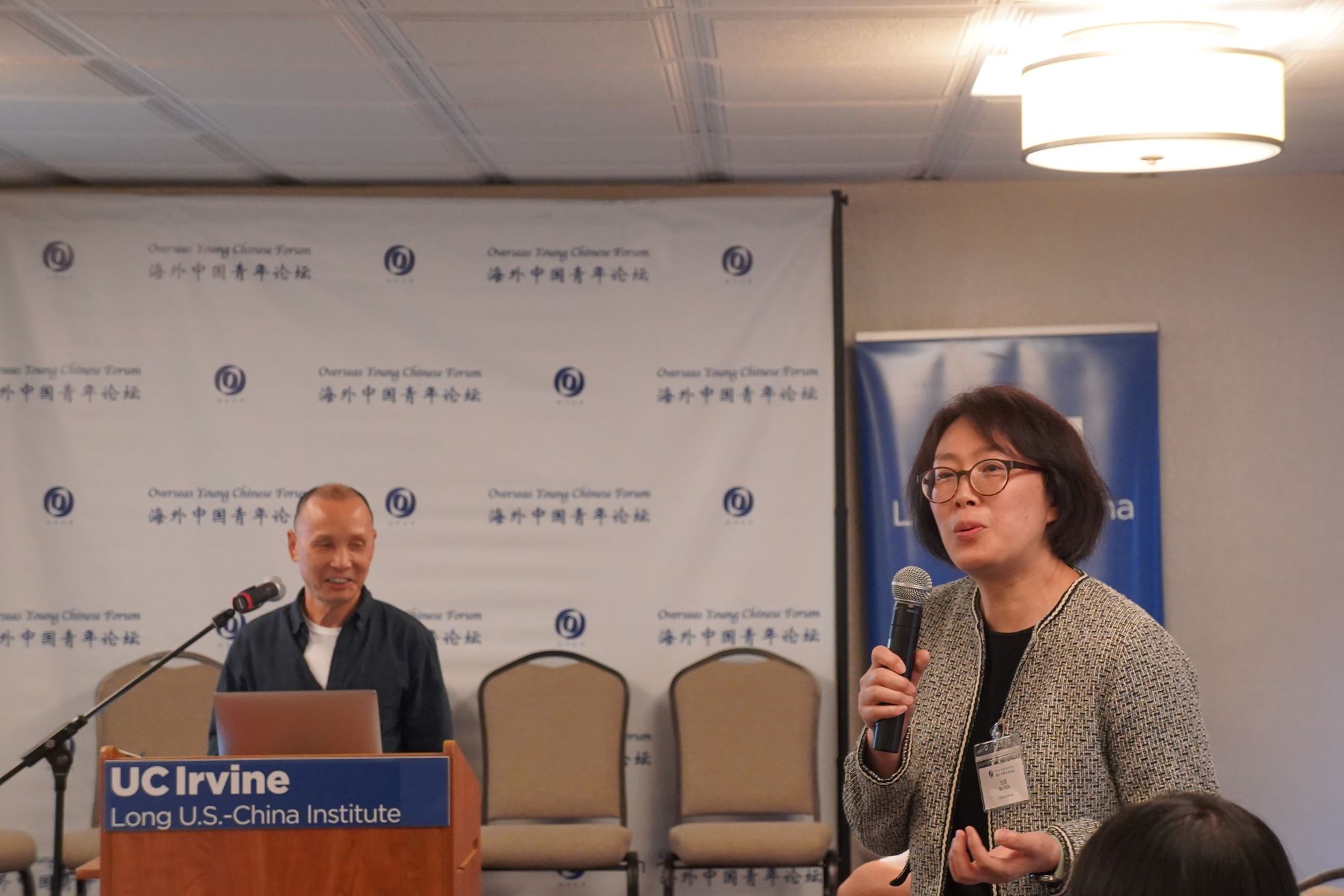
REN Bo(Photo by: Richard Ren/LAPost)
Although many scholars modestly emphasized the “limited” influence researchers have on policymaking, Ren said she disagreed. “From the collective policy recommendations submitted in 2004 to years of continued research and public communication, these scholars consistently worked to bring accurate information to society,” she said. “The media was fortunate to serve as one of the messengers in that process.”
Ren described the process as an example of a productive cycle linking academic research, policymaking, and public understanding. She also discussed broader questions concerning how the boundaries between public and private spheres are defined and who has the authority to define them.
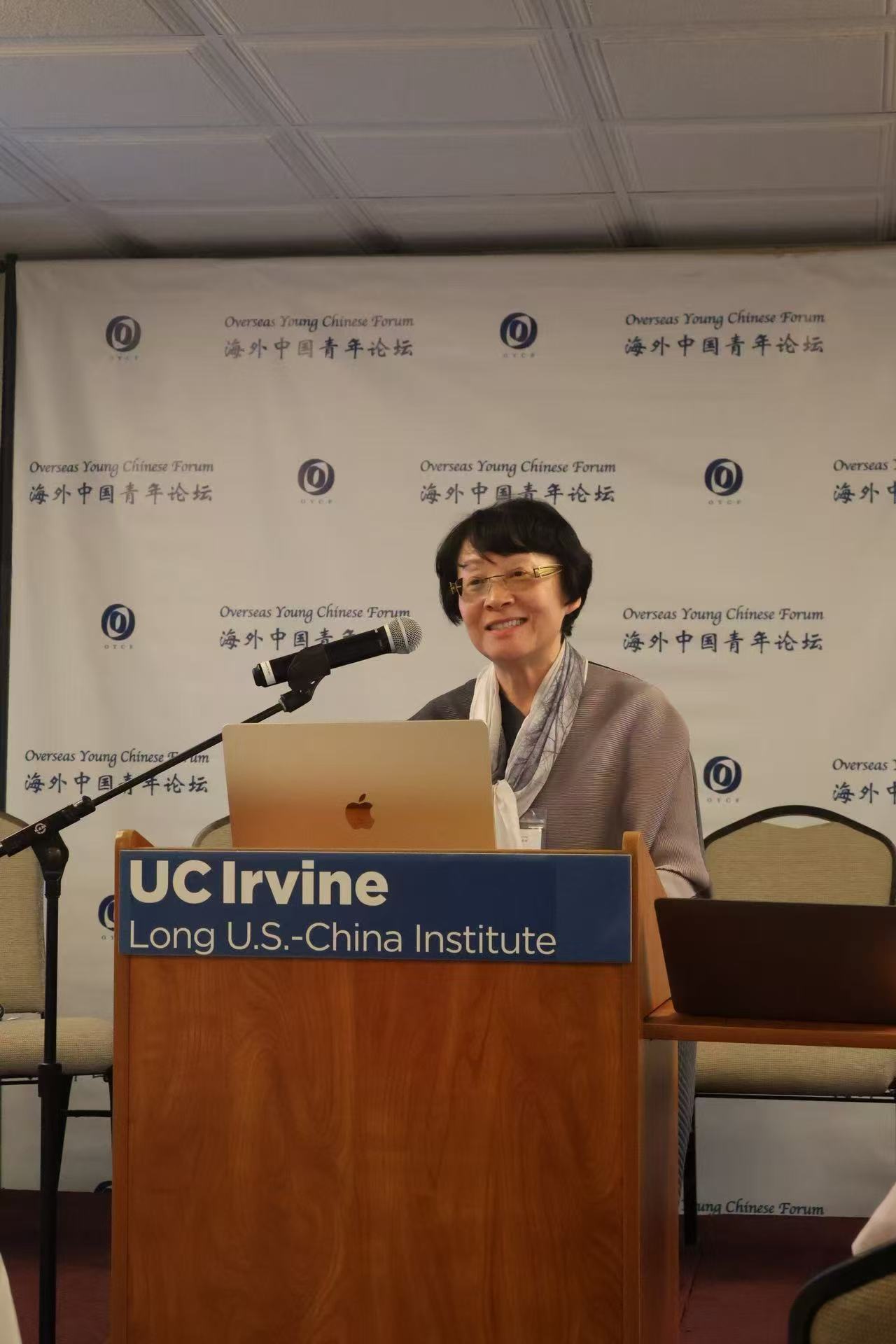
WANG Zheng, Professor Emerita of Women’s and Gender Studies and History,
University of Michigan (Photo provided by OCYF)
WANG Zheng, professor emerita of women’s and gender studies and history at the University of Michigan, noted that changes to the one-child policy did not come solely from internal government decision-making. Rather, she argued, policy evolution emerged gradually through long-term social discussions, academic research, and public communication. Mao Zhuoyan also discussed China’s continued low birth rate after the end of the one-child policy from a gender perspective.
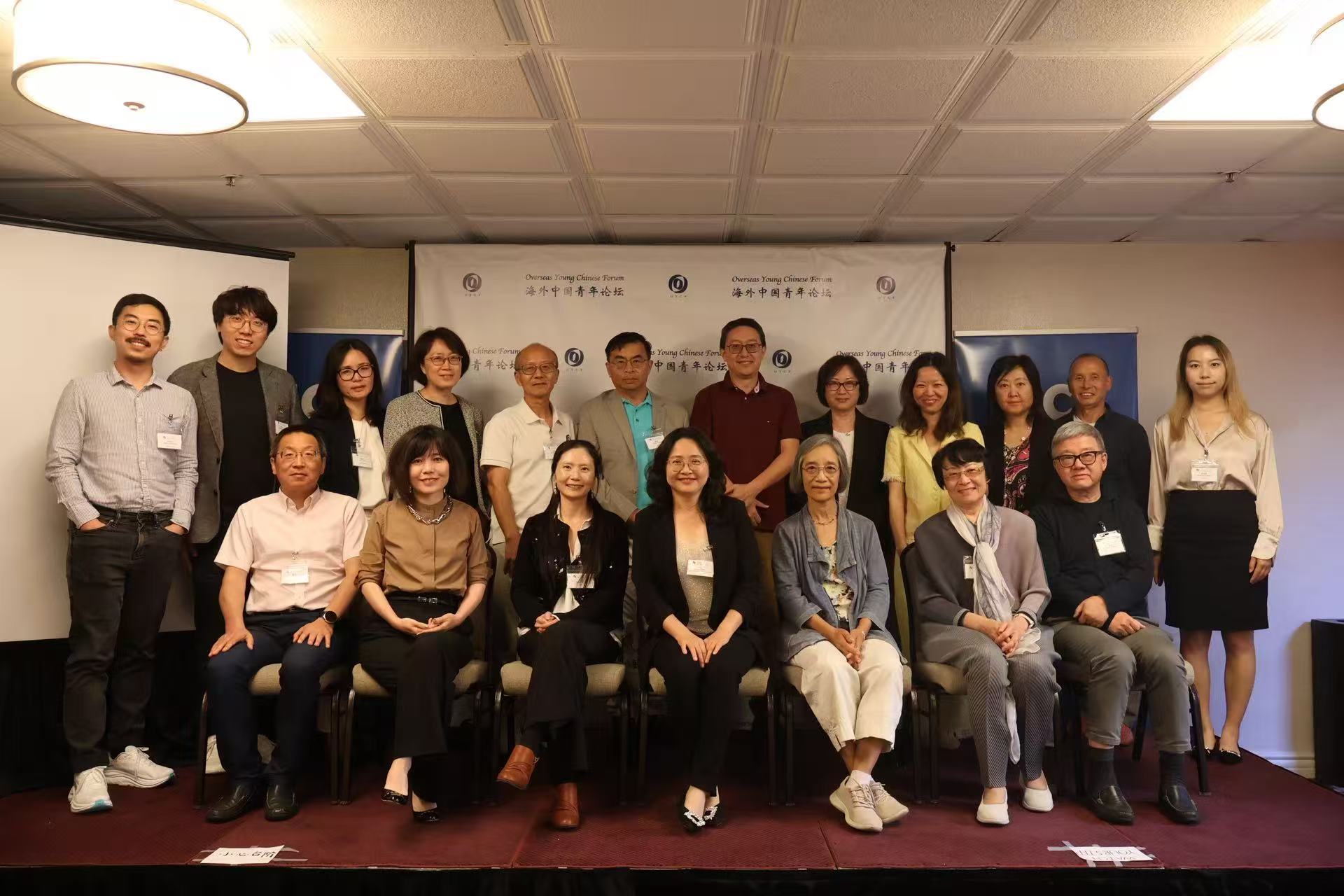
(Photo provided by OCYF)
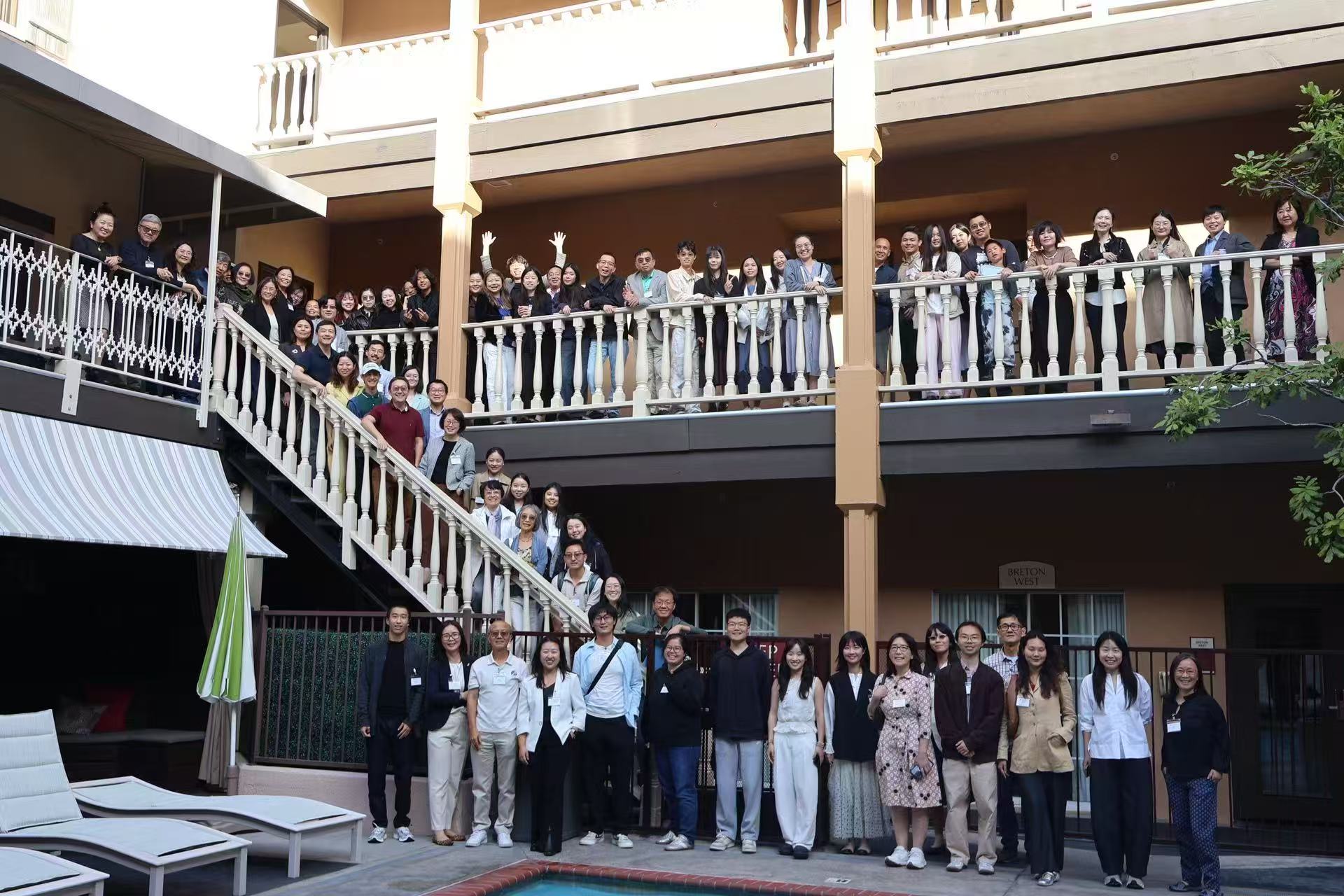
The conference, co-hosted by OYCF and the UC Irvine Long U.S.-China Institute, attracted more than 100 professors, scholars, and doctoral students from across the United States. Organizers said they hope continued interdisciplinary dialogue and public discussion will help create a more open intellectual platform for overseas Chinese scholars while fostering deeper and more nuanced understanding of Chinese society and U.S.-China relations.
(By: Richard Ren/LAPost)
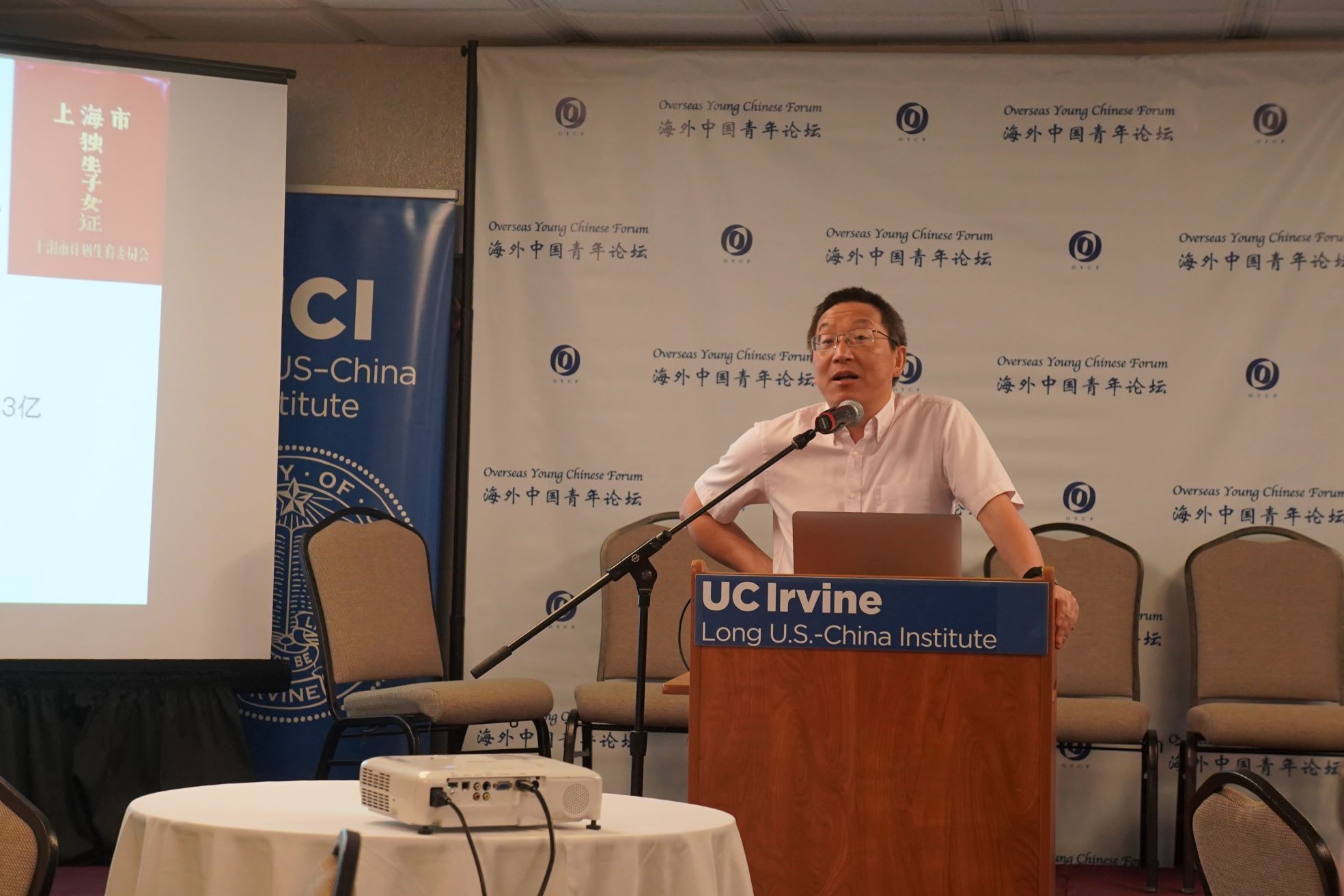
CAI Yong, Associate Professor of Sociology, University of North Carolina, Chapel Hill(Photo by: Richard Ren/LAPost)
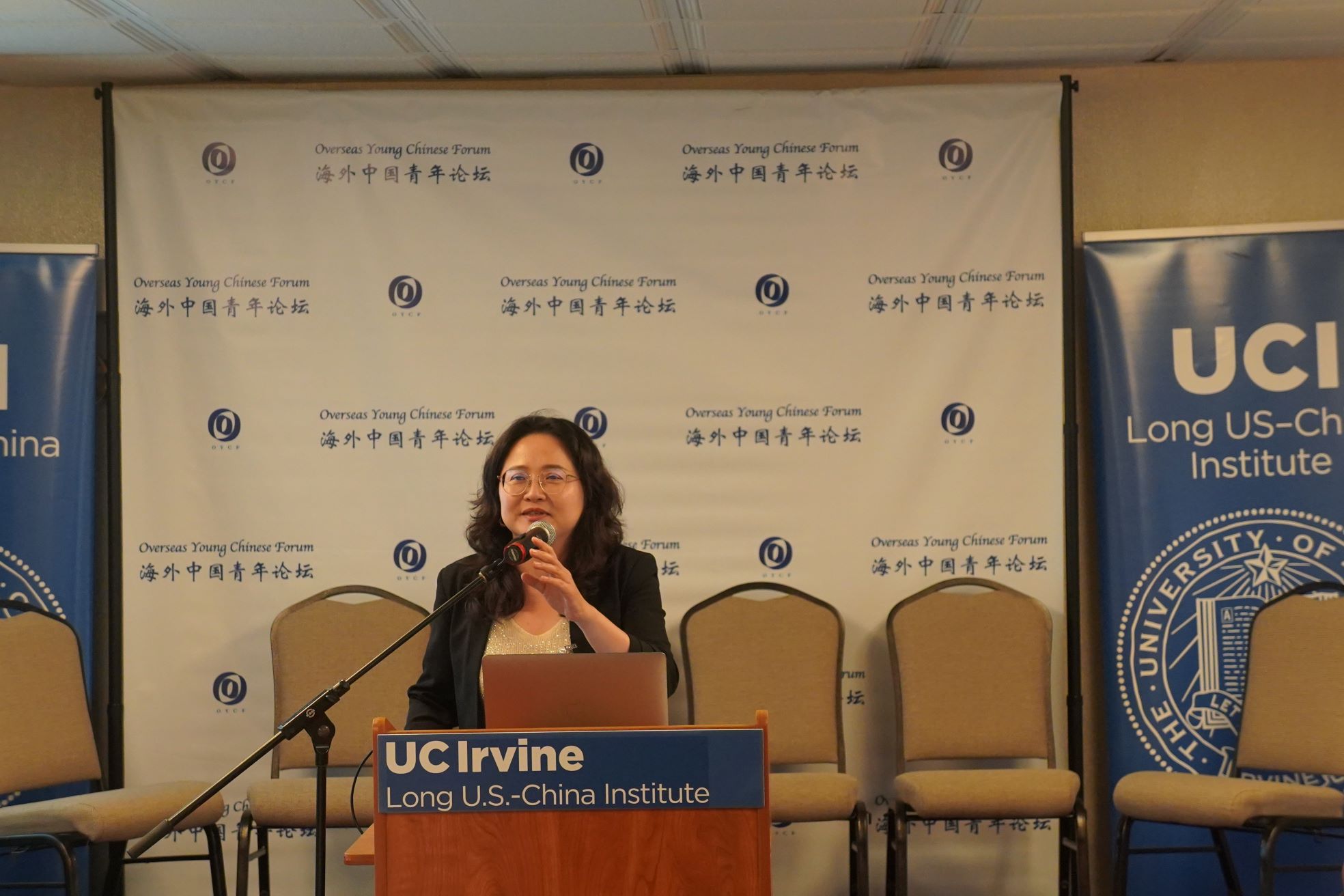
MAO Zhuoyan, Professor at the School of Labor Economics, Capital University of Economics and Business; Director of the Population and Family Economics Research Center(Photo by: Richard Ren/LAPost)
(Photo by: Richard Ren/LAPost)
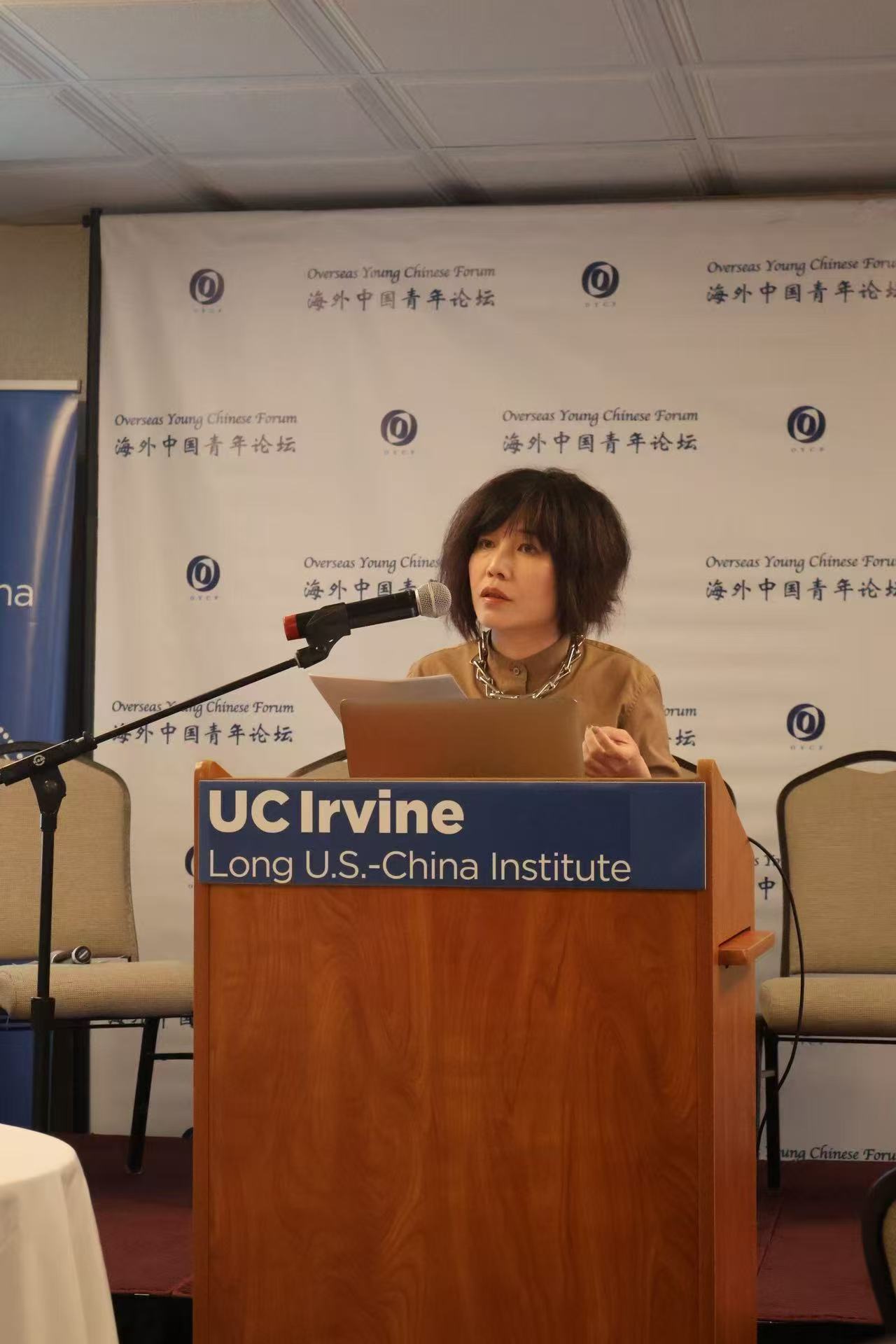
LONG Yan, Associate Professor of Sociology, University of California, Berkeley (Photo provided by OCYF)
(Photo provided by OCYF)