KMT Chair Cheng Li-wun Calls for Cross-Strait Peace in Los Angeles: Taiwan Should Not Become a Trigger for Conflict
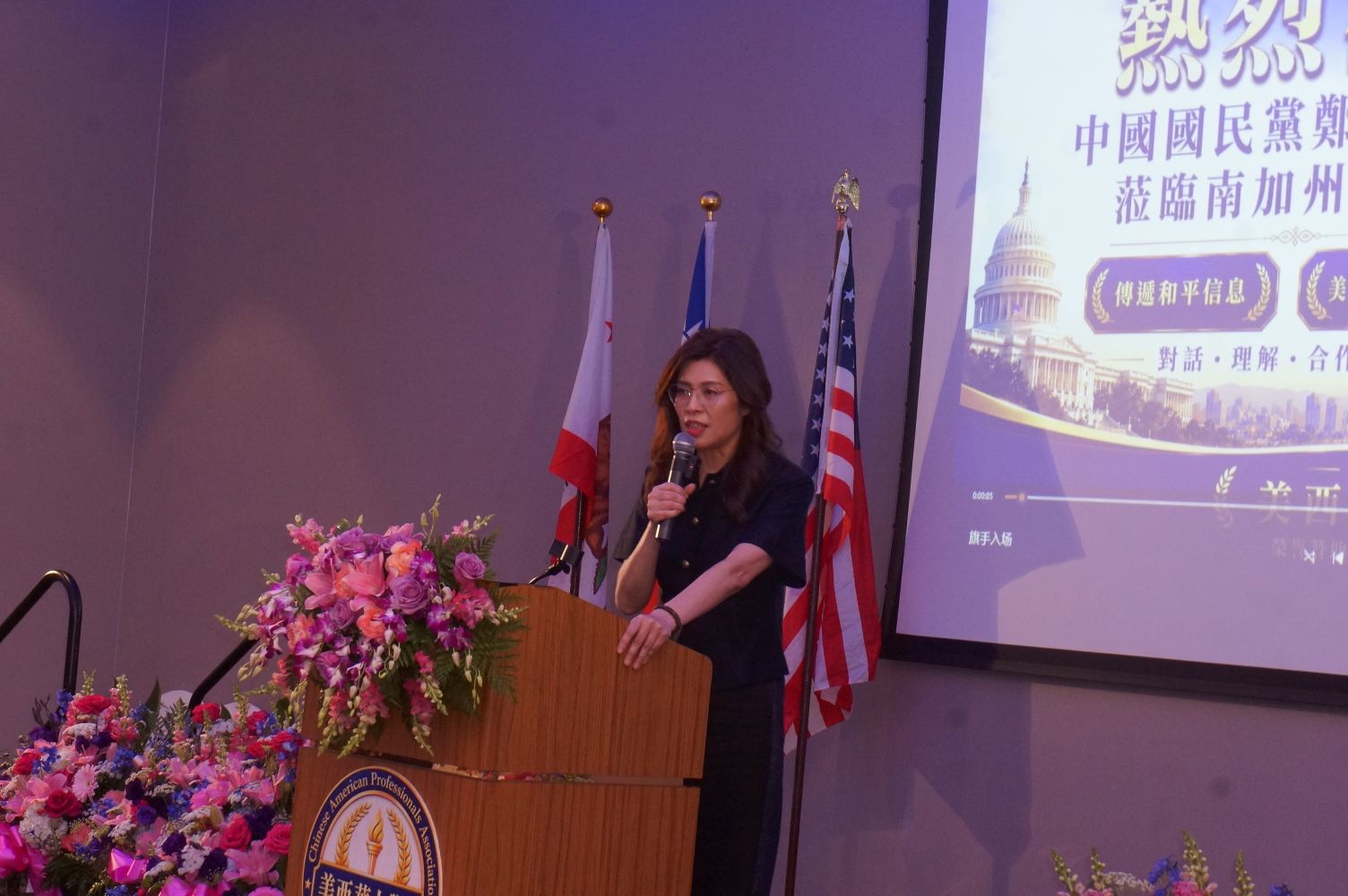
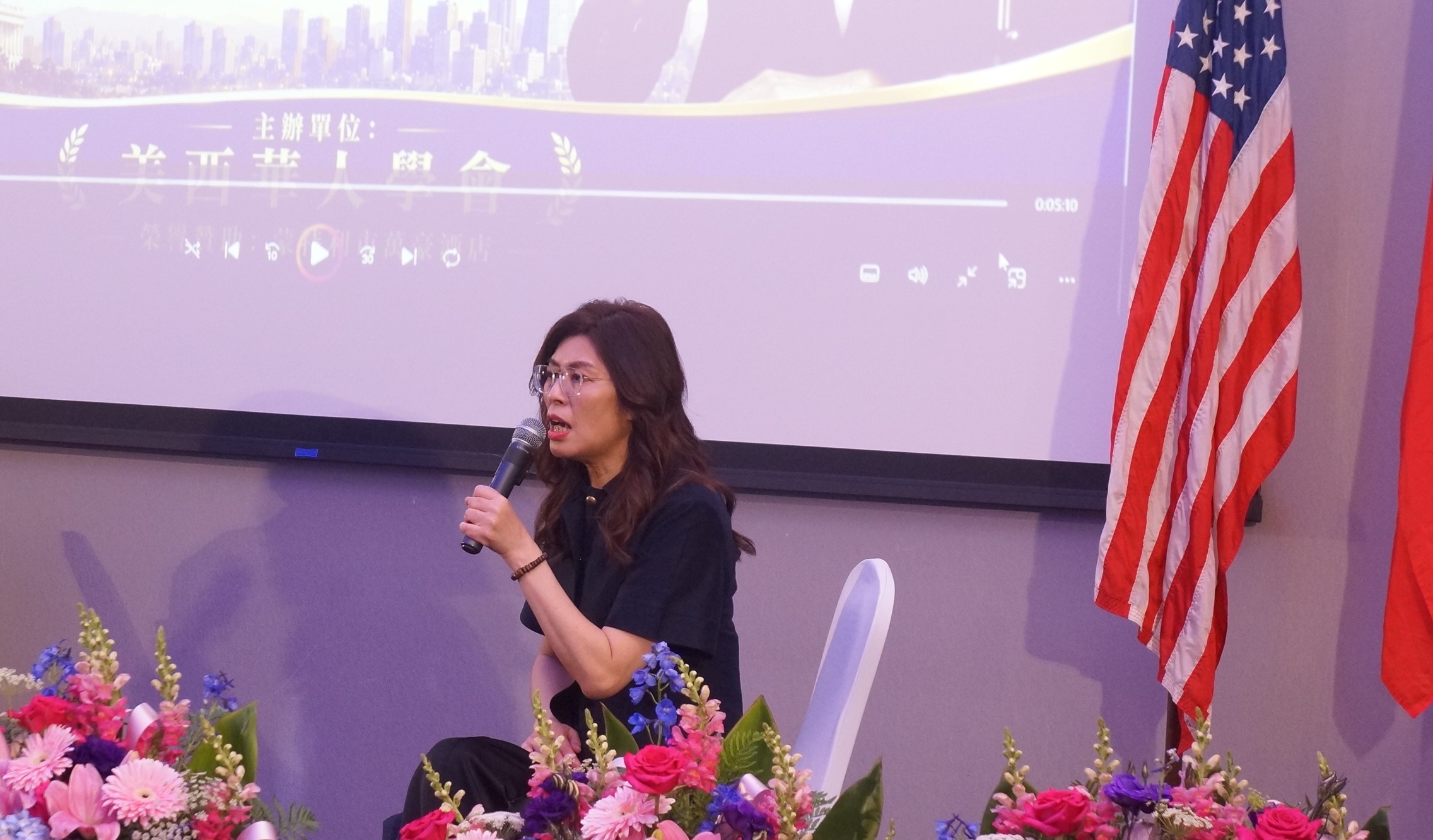
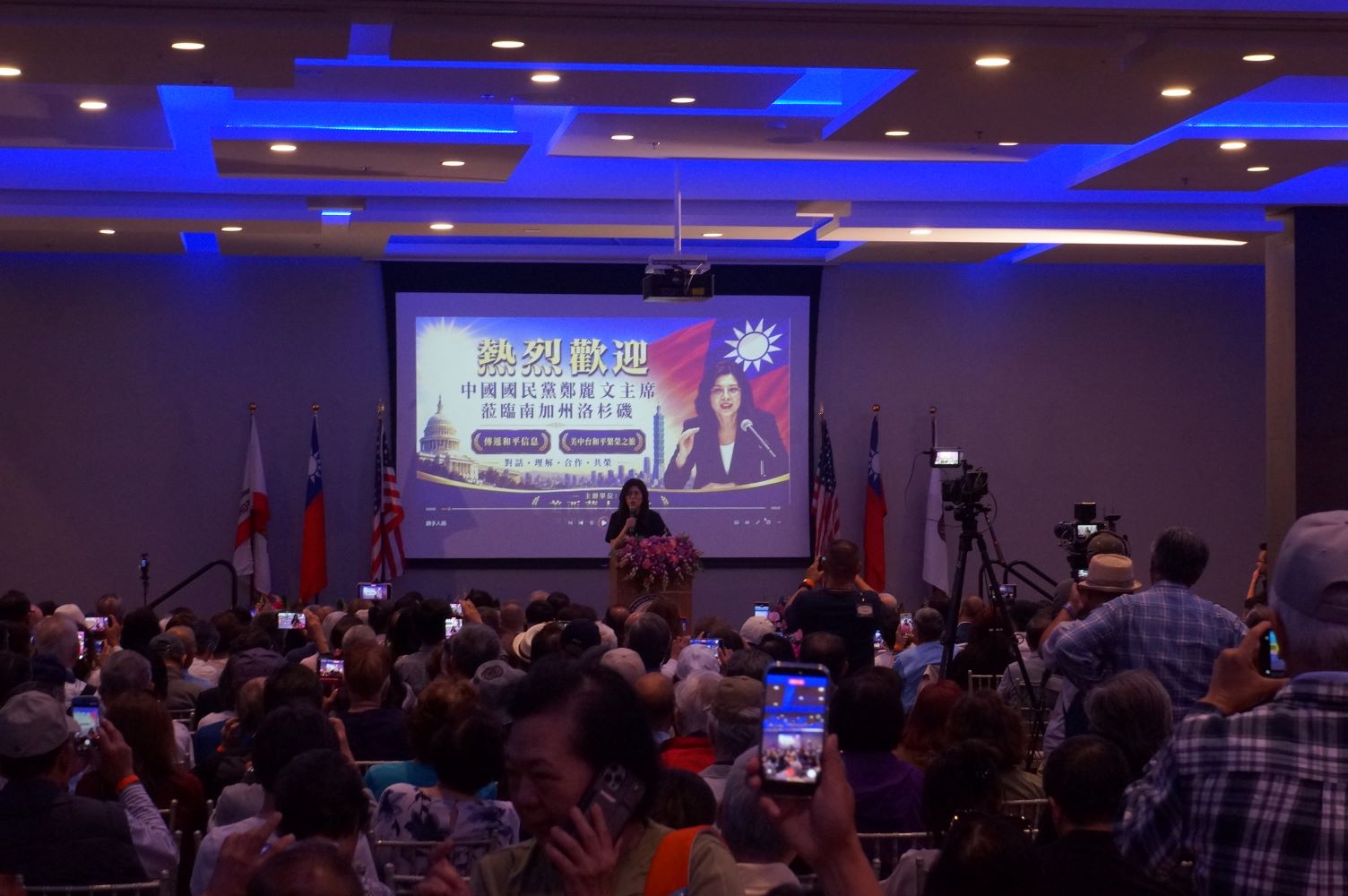
LAPost / Monterey Park, California (June 14, 2026) — Kuomintang (KMT) Chair Cheng Li-wun, who is concluding her U.S. visit with a final stop in Los Angeles, attended a symposium hosted by the Chinese American Association of the Western United States on Saturday morning. Addressing an audience of more than 500 supporters and community leaders, Cheng shared her views on cross-strait relations, the future of Taiwan, cultural identity, U.S.-China relations, and the KMT’s long-term political vision.
(Photo by: Richard Ren/LAPost)
Cheng said her visit to the United States reinforced her belief that people across different sectors are eager to see greater peace and stability in the Asia-Pacific region. During her two-week trip, she met with prominent figures from the fields of technology, academia, and industry, many of whom expressed support for dialogue and cooperation as a means of reducing tensions and preventing conflict.
She emphasized that technological advancement, particularly in the era of artificial intelligence, should be used to improve human life rather than deepen mistrust or fuel confrontation. According to Cheng, AI and other emerging technologies should help alleviate poverty, improve healthcare, and create opportunities for people around the world instead of becoming tools of warfare.
“If humanity approaches the AI era with fear and hostility, technological progress could become a threat to our survival,” Cheng said. “But if we embrace cooperation and mutual trust, these technologies can create unprecedented benefits for all mankind.”
Turning to cross-strait relations, Cheng argued that preventing war is the most urgent task facing leaders today. She noted that East Asia possesses some of the world’s most advanced technological capabilities, deepest talent pools, largest markets, and strongest capital resources. In her view, there is no reason for the region to remain trapped in Cold War-era thinking and confrontation.
She advocated expanding dialogue and communication between Taiwan and mainland China while strengthening mutual trust among Taiwan, the United States, and China. Such cooperation, she said, could create a foundation for regional prosperity and long-term stability.
Cheng also warned that a military conflict in the Taiwan Strait would have consequences far beyond Taiwan itself. She said the United States, Japan, and much of the international community could be drawn into a wider conflict, potentially leading to catastrophic outcomes.
“No responsible political leader should gamble with the possibility of war,” she said, adding that Taiwan should never become the spark that ignites a broader regional conflict.
Regarding the KMT’s cross-strait policy, Cheng reaffirmed the party’s support for the “1992 Consensus” and its opposition to Taiwan independence. She described the consensus as the political foundation that previously enabled cross-strait dialogue and exchanges. Cheng argued that maintaining communication does not require sacrificing the democratic system, rule of law, or freedoms that have been established in the Republic of China (Taiwan). On the contrary, she said, peaceful engagement can help safeguard and strengthen those achievements.
Addressing concerns about cultural identity, Cheng criticized what she described as the “de-Sinicization” trend in Taiwan’s education system. She argued that Taiwan remains an integral part of the broader Chinese cultural tradition and that appreciation for Chinese culture and history should not be politicized.
According to Cheng, identifying with Chinese cultural heritage does not diminish one’s love for Taiwan. She said the two identities are not mutually exclusive and can coexist naturally.
“The values of Chinese civilization, including harmony, respect for family, and the pursuit of the common good, are not threats to any society,” Cheng said. “They are assets not only for Taiwan but for humanity as a whole.”
(Photo by: Richard Ren/LAPost)
When asked about younger voters, Cheng acknowledged that many young people have become disillusioned with the ruling Democratic Progressive Party (DPP) in recent years. She argued that the KMT must improve its communication with younger generations and present its policies in ways that resonate with their concerns about Taiwan’s future and their personal opportunities.
She expressed confidence that most young people are not driven by extreme ideology but rather by practical concerns about the future of society, economic development, and stability.
Looking ahead to the 2028 presidential election, Cheng said the KMT and the Taiwan People’s Party (TPP) maintain open channels of communication and share a common objective of achieving a change in government. She suggested that the opposition’s greatest challenge comes not from internal coordination but from what she characterized as the ruling party’s extensive use of administrative, judicial, and media resources.
(Photo by: Richard Ren/LAPost)
On U.S.-China relations, Cheng stressed that stability between Washington and Beijing is essential to peace across the Taiwan Strait. She called on the United States to continue playing a leadership role in promoting economic, technological, and regional cooperation throughout East Asia.
According to Cheng, a peaceful and prosperous Asia-Pacific region serves not only the interests of Taiwan and mainland China but also those of the United States and the wider international community.
Asked whether a future KMT administration could achieve a major breakthrough in cross-strait relations within a short period of time, Cheng adopted a cautious tone. She said the issue is too complex to be resolved through quick fixes or rigid timetables.
Instead, she advocated a gradual approach based on expanding exchanges, building trust, and securing sustained public support in Taiwan while encouraging goodwill on both sides of the Strait.
Concluding her remarks, Cheng said peace across the Taiwan Strait is not merely an idealistic aspiration but a realistic objective that serves the interests of Taiwan, mainland China, the United States, and the international community.
She expressed confidence that through dialogue, communication, and cooperation, lasting peace can eventually be achieved, allowing Taiwan to play a constructive role in promoting regional connectivity and mutual prosperity.
(By: Richard Ren/LAPost)
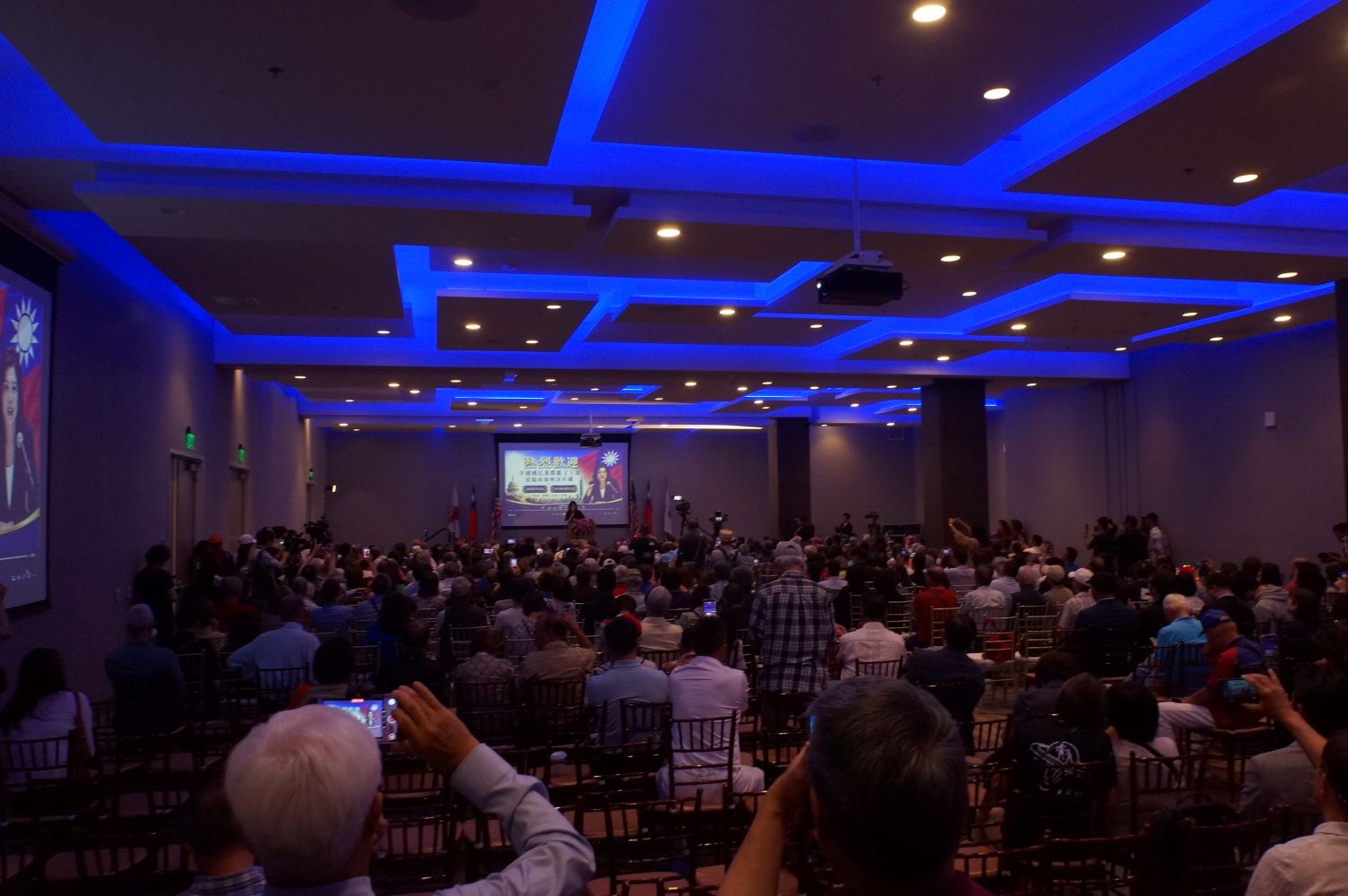
(Photo by: Richard Ren/LAPost)
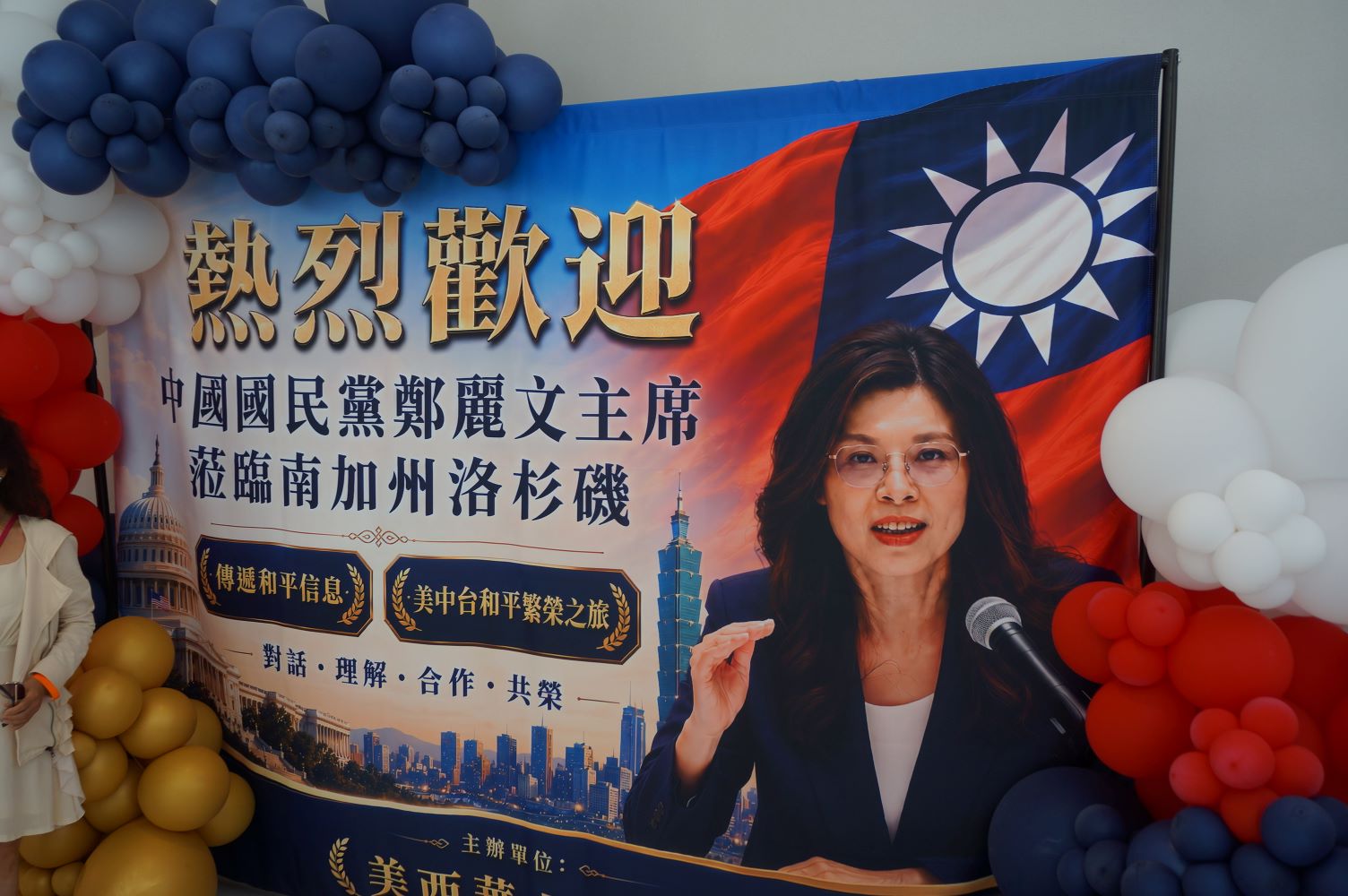
(Photo by: Richard Ren/LAPost)