From Campus to Community: ELAC Susan Rubio Entrepreneurship & Innovation Center Expands Services to Local Entrepreneurs
LAPost/Monterey Park, CA (September 21, 2026)
By: Richard Ren/LAPost
An entrepreneurship center can only reach so many people if its work remains confined to a college campus. The ELAC Susan Rubio Entrepreneurship & Innovation Center is now taking its services beyond the campus, expanding its focus this year to serve entrepreneurs and small-business owners throughout the East Los Angeles community.
Dr. Reyna Trujillo, Executive Director of the ELAC Susan Rubio Entrepreneurship & Innovation Center, said the center is working closely with local small businesses to understand their needs and connect them with resources that can help them grow and become more competitive.
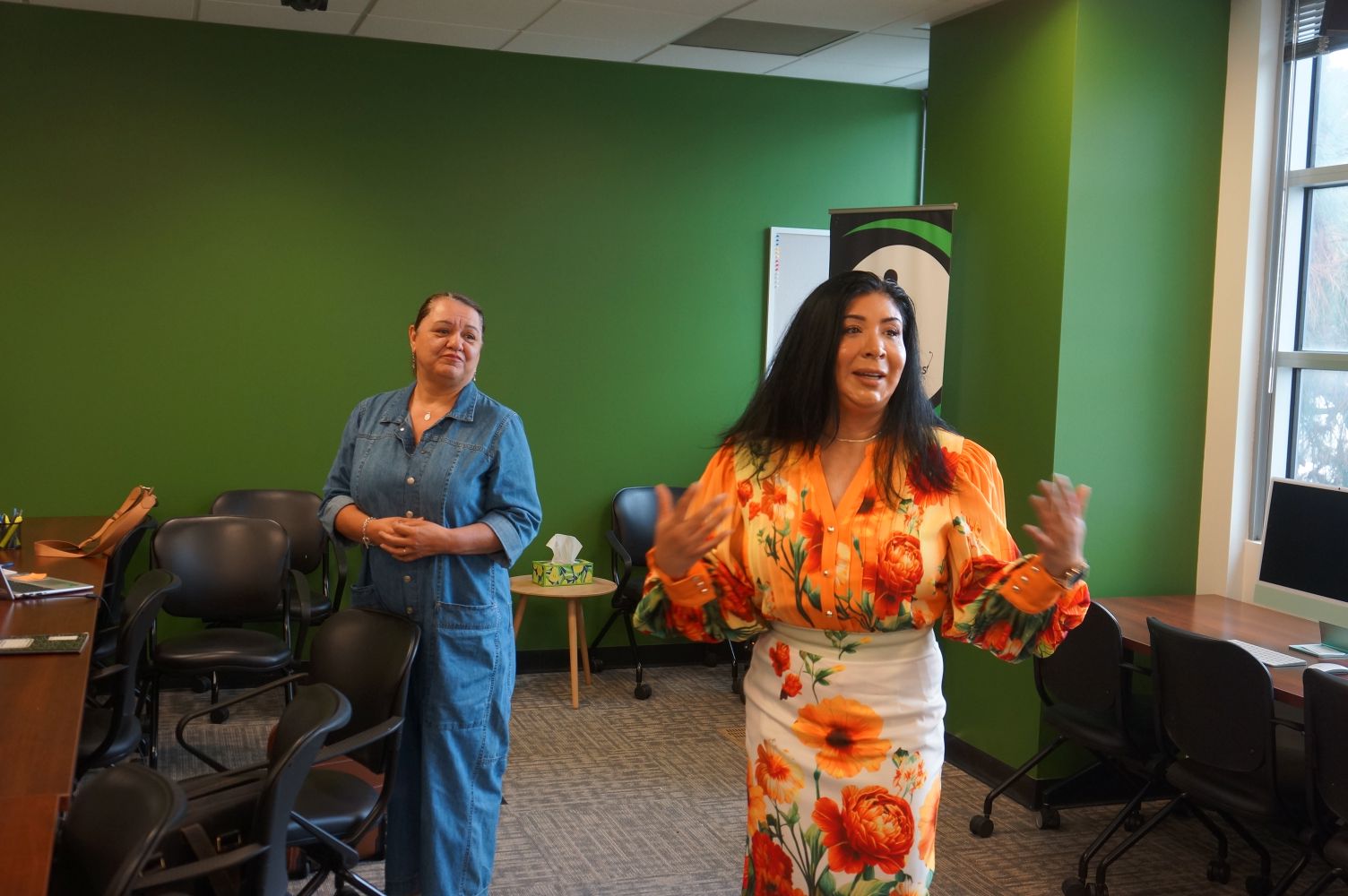
Dr. Reyna Trujillo(Photo by: Richard Ren/LAPost)
“We work very closely with the small businesses in the community, and their outreach, looking for ways to provide them with the resources that they need, so that they can grow and be more competitive in their industries,” Trujillo said.
The expansion represents an important shift for a center that was initially developed with students in mind. Although the center is housed at East Los Angeles College, Trujillo explained that it operates differently from a traditional college program, functioning as a bridge between the college, its students, community entrepreneurs and outside partners.
From Student Entrepreneurship to a Community Ecosystem
ELAC Business Administration Department Chair Dr. Frank Aguirre said the center grew out of an effort to expand the college’s existing student entrepreneurship resources.
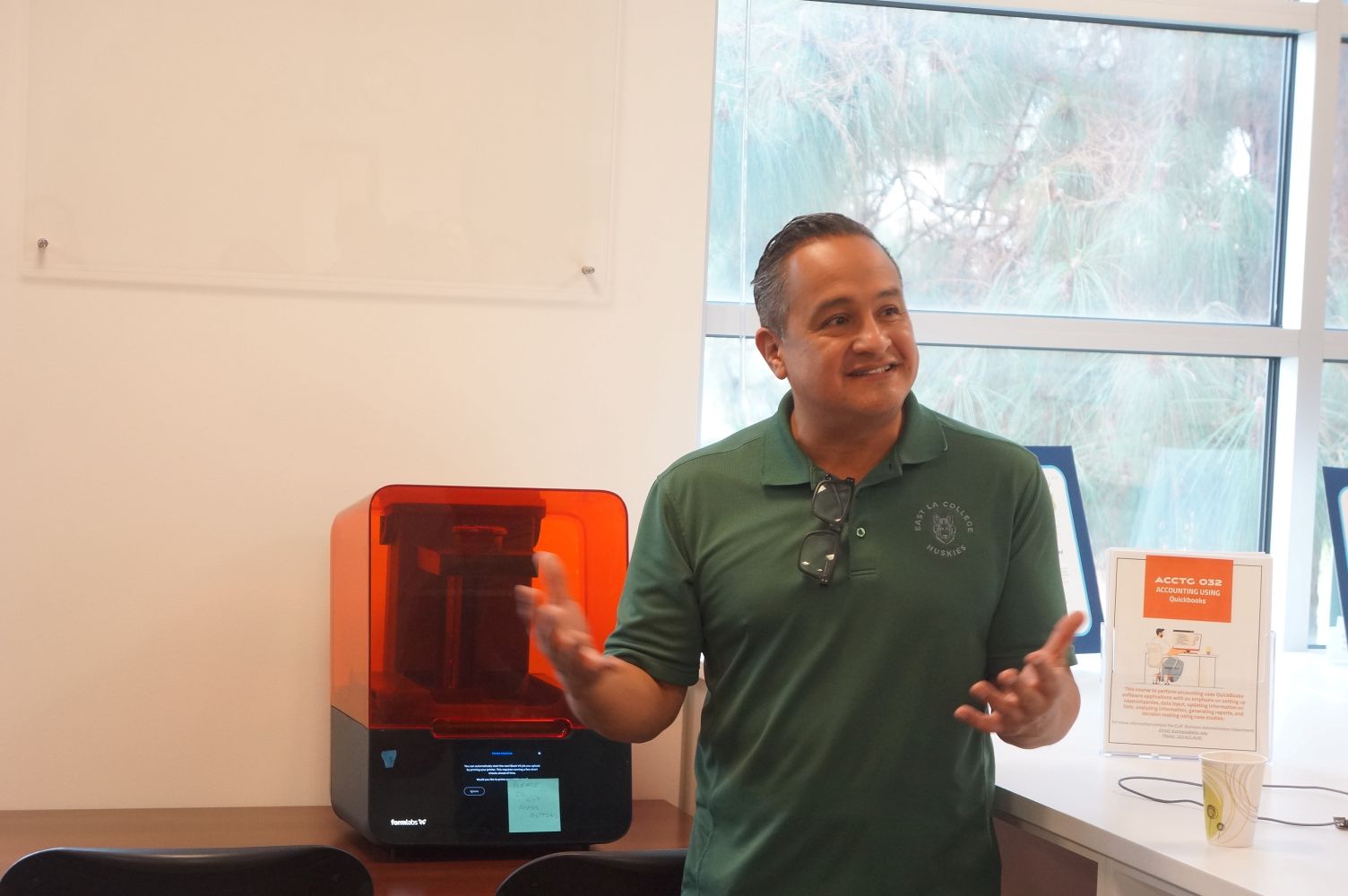
Dr. Frank Aguirre(Photo by: Richard Ren/LAPost)
ELAC has a large Business Administration program, and students can pursue long-term entrepreneurship development through courses in entrepreneurship, financial literacy, management, contract law and business law.
Aguirre said entrepreneurship skills cannot be developed through a single short-term program or social-media video. Workshops and boot camps can provide an important spark, he said, but entrepreneurs also need continued education and support as they navigate the ups and downs of building a business.
The center is designed to help connect that classroom education with practical business experience.
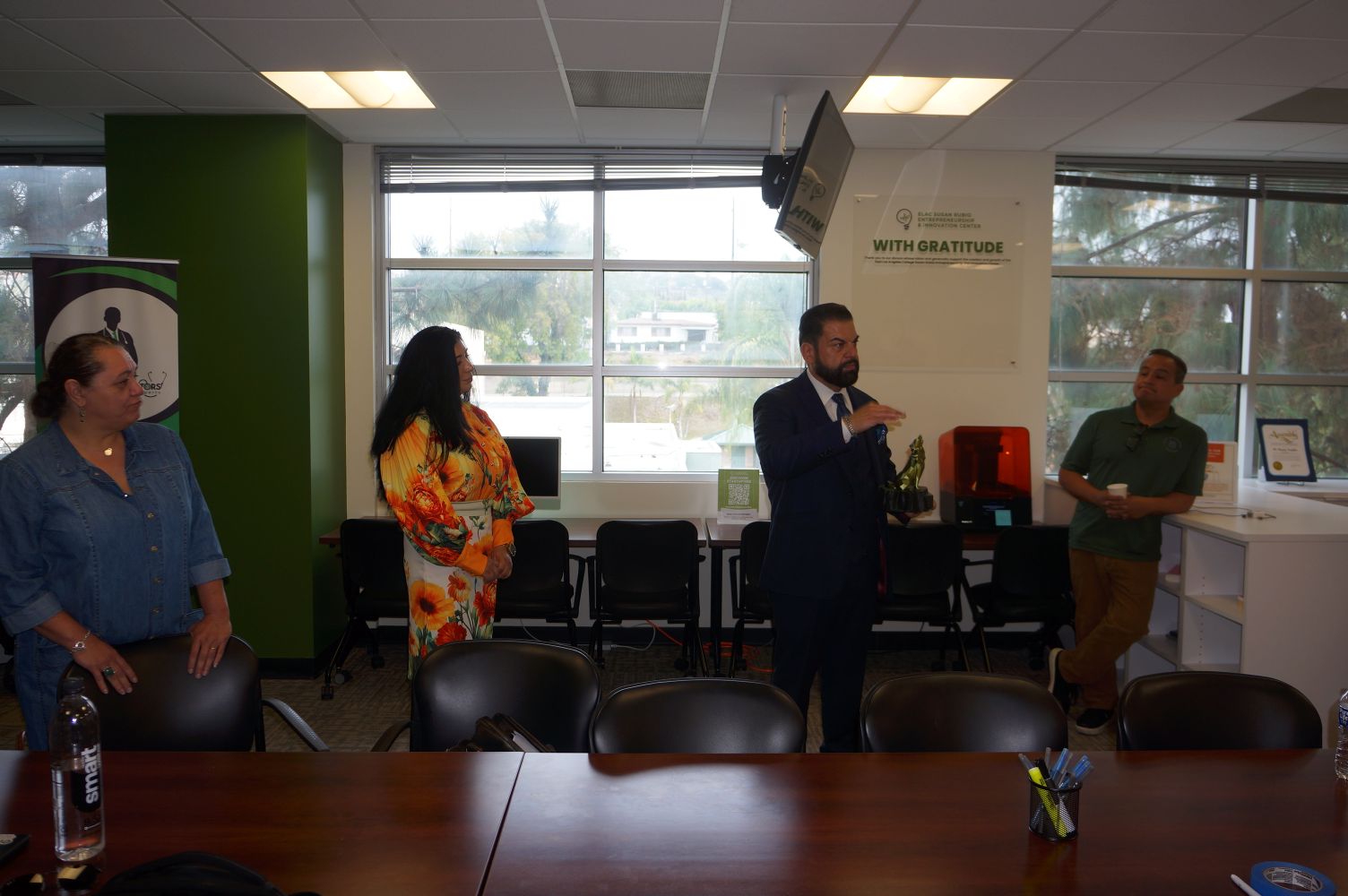
Dr. Armond Aghakhanian(Photo by: Richard Ren/LAPost)
The ELAC Foundation, along with faculty, administrators and community partners, has played an important role in expanding the center. Dr. Armond Aghakhanian, Director of the ELAC Foundation, is also among those involved in supporting its development.
The result is an entrepreneurship hub that is increasingly designed to connect students, entrepreneurs, community organizations and business professionals.
Specialized Support for Veteran Entrepreneurs
One of the center’s newest initiatives is the Boots 2 Business workshop series for veteran entrepreneurs.
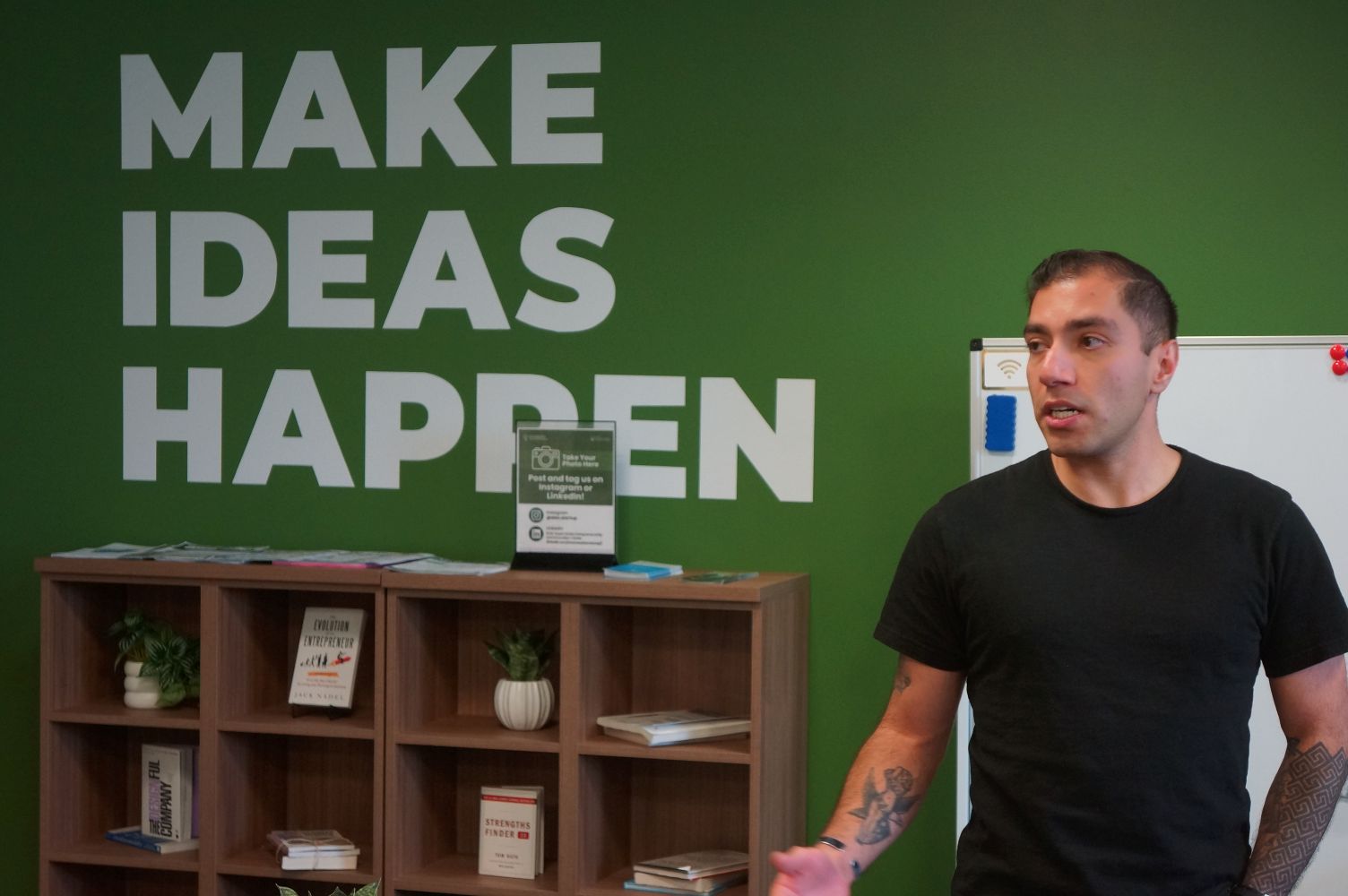
David Killion(Photo by: Richard Ren/LAPost)
David Killion, Director of Veteran Entrepreneurship, said his focus is helping veterans in the local area learn about entrepreneurship resources and benefits that may be available to them, including state and federal contracting opportunities.
Veteran entrepreneurs often have access to resources and capital opportunities that differ from those available to other entrepreneurs. The center is therefore developing programming specifically tailored to their needs.
The first Boots 2 Business workshop was launched in September, with additional sessions planned.
Moving Beyond the Classroom to Help Businesses Solve Real Problems
Another major component of the center’s community outreach is its partnership with The Company Doctors.
CEO Randy McKingly said many business owners can learn useful concepts in a classroom or workshop but still need hands-on assistance when they return to their businesses.
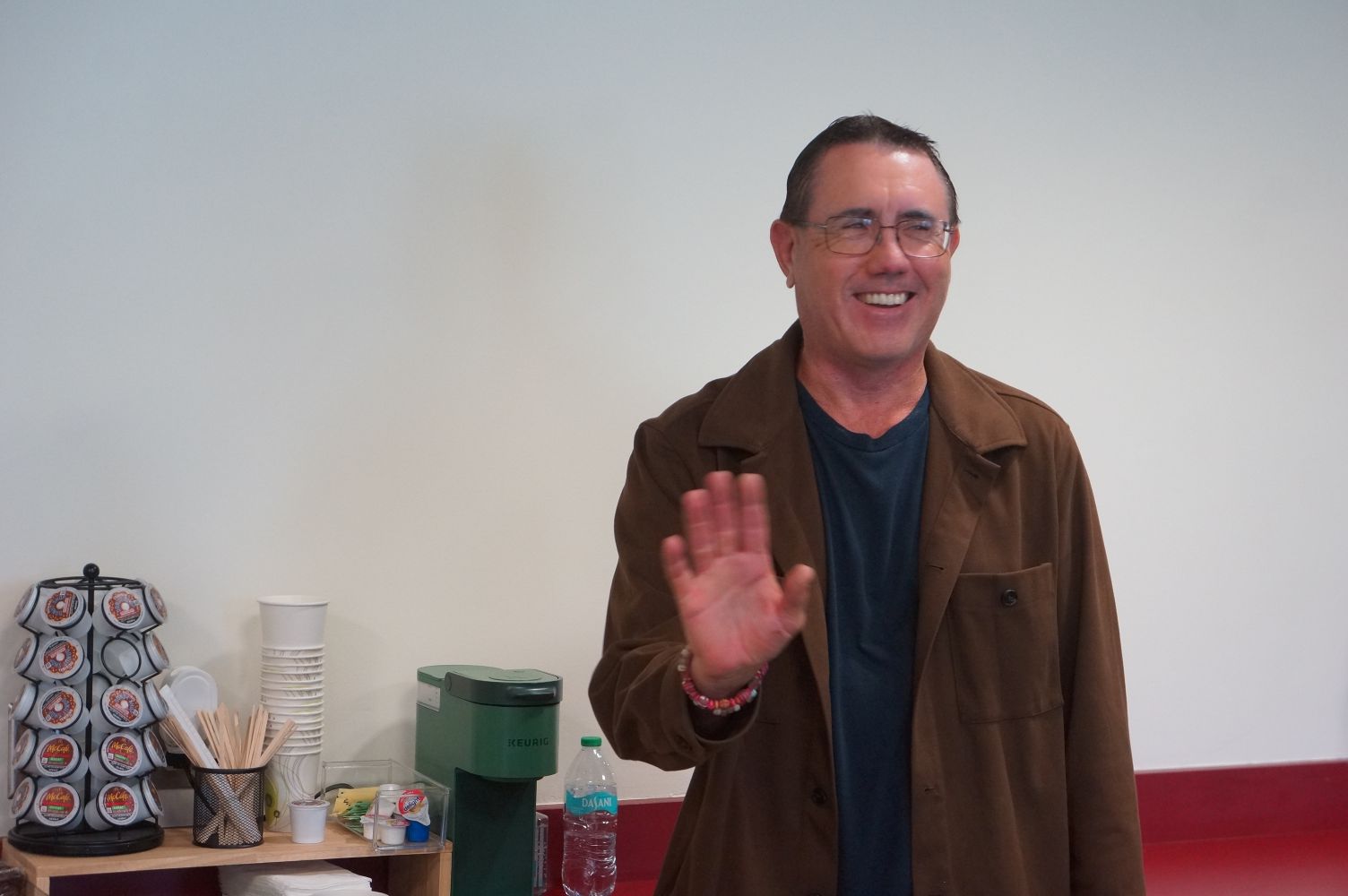
Randy McKingly (Photo by: Richard Ren/LAPost)
The Company Doctors has worked with more than 400 businesses, helping companies identify what McKingly calls their “blind spots” — problems or inefficiencies that business owners may not recognize themselves.
The organization has brought its online learning platform to the center, while also providing hands-on assistance on a regular basis.
On the first Thursday of each month, business owners can bring their companies in for practical assistance designed to identify problems and develop solutions.
The center is also exploring expanded technical-assistance services. McKingly said the partnership with the ELAC Foundation and other organizations could allow professionals to work directly with businesses at no cost to the business owners, using available California funding programs to support communities that have historically had fewer business resources.
Industry-Specific Workshops
The center’s programming is not limited to general entrepreneurship workshops. McKingly said The Company Doctors is developing sessions tailored to specific industries, including Asian restaurants, auto repair, nail salons and AI automation.
Some workshops are approximately two hours long and are designed to provide business owners with practical tools they can immediately take back to their companies.
McKingly said many businesses do not necessarily need to overhaul their entire operations. Instead, identifying a few overlooked issues can sometimes make a significant difference.
The center also works with outside organizations to create different “pipelines” for entrepreneurs at different stages of business development.
One recent partnership is designed to offer three cohorts based on business revenue and stage of development. The programs help entrepreneurs develop business plans, understand their markets and gain access to capital.
According to the center, financing opportunities associated with the programs can range from approximately $500 to $100,000, with some programs offering more flexible credit requirements.
The center is also working with Found LA and Dr. Yasmine Davis on a 15-week cohort for more established businesses. The program is designed for companies that have been in business for at least two years, generate at least $75,000 in annual revenue and have more than one employee.
Participants receive business-management and planning support, along with access to capital resources.
From a Student Idea to a Real Business
The center’s team also highlighted examples of student entrepreneurs whose ideas have developed into actual businesses.
One example is Competitive Fiesta, a company created after its founder noticed that traditional party-supply stores offered few products that reflected the cultures of minority communities.
The entrepreneur began making products by hand. At one point, she could not afford the approximately $1,500 needed for a cutting die to increase production.
The center helped connect her with funding and business-development resources. The company has since grown to the point of operating a physical store in Los Angeles.
For the center, such examples illustrate the purpose of entrepreneurship support: not simply helping students develop an idea, but helping them turn that idea into a sustainable business.
Building Connections Across the Community
Trujillo said partnerships with chambers of commerce, community organizations and other institutions will be increasingly important as the center expands.
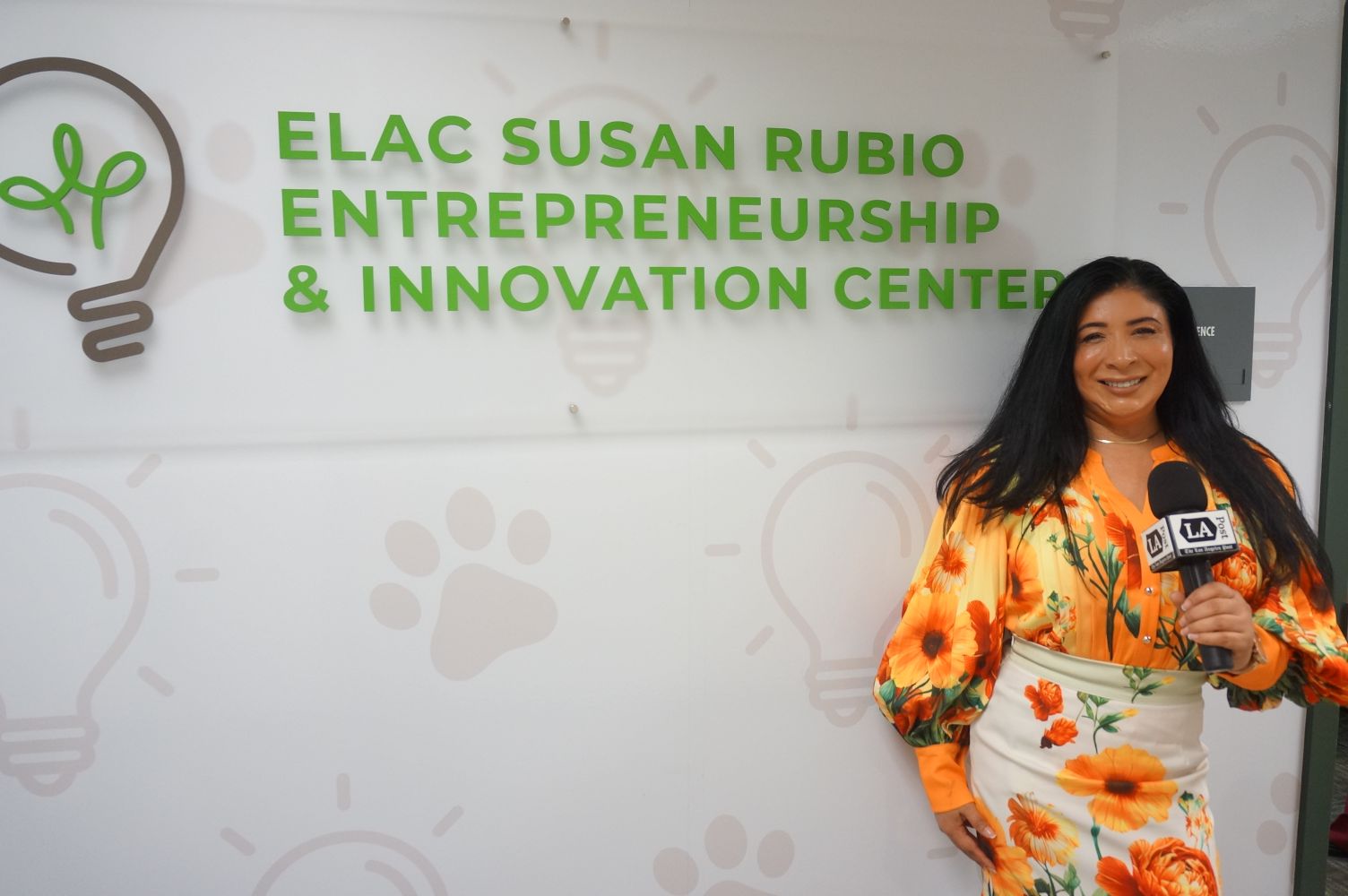
Dr. Reyna Trujillo(Photo by: Richard Ren/LAPost)
The center is also making its physical space available to community organizations for meetings, workshops and business events. The facility includes a projector, sound equipment and 360-degree cameras and can accommodate a range of community programs.
Trujillo said the goal is to create an entrepreneurship ecosystem rather than operate as an isolated institution.
“We have expertise. We have to work with other partners,” she said, emphasizing that the center cannot provide every resource on its own.
Through partnerships, the center can connect entrepreneurs with resources and opportunities beyond what is available directly through ELAC.
A Continuum of Support for Entrepreneurs
The center’s expanding programs are creating a range of support for entrepreneurs at different stages.
For people with an initial business idea, the center can provide entrepreneurship education and basic resources. For startups and operating small businesses, it can offer business planning, market analysis, industry-specific workshops, technical assistance and connections to capital. More established businesses can receive hands-on assistance aimed at identifying operational challenges and planning their next stage of growth.
Veteran entrepreneurs, minority-owned businesses and companies in specific industries are also becoming part of the center’s growing network.
Trujillo acknowledged that the center remains a relatively small operation, but said its ability to work with outside partners allows it to expand its reach.
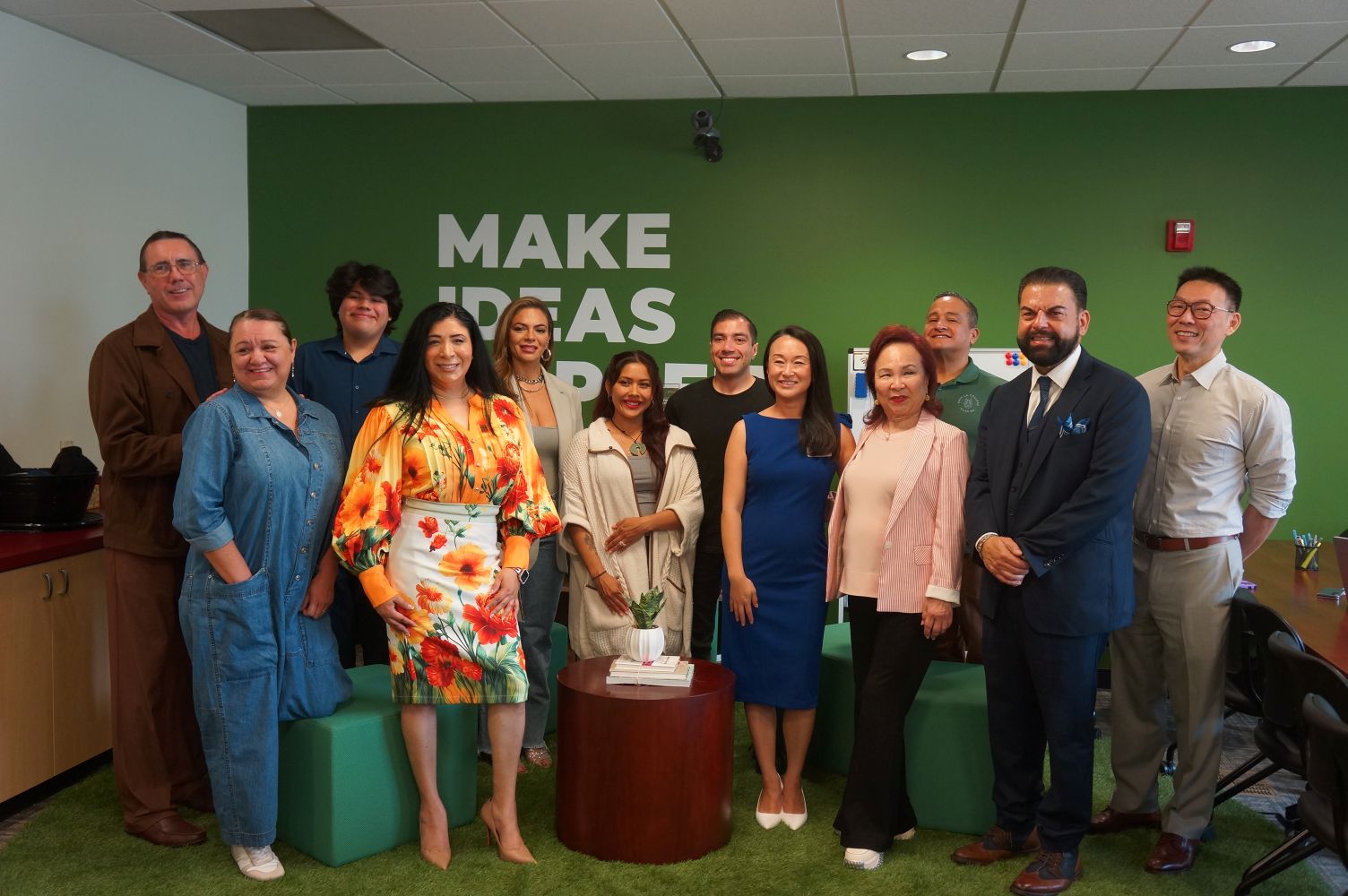
(Photo by: Richard Ren/LAPost)
The center is also inviting community organizations and chambers of commerce to participate in its programming and bring their members into the entrepreneurship ecosystem.
For East Los Angeles and surrounding communities, the expansion represents a broader approach to entrepreneurship support — one that moves beyond the classroom and into the day-to-day realities of running a business.
The center’s philosophy, as described by ELAC leaders, is not simply to provide entrepreneurs with immediate assistance, but to help them develop the knowledge, tools, connections and confidence needed to eventually navigate their businesses on their own.