From a True Story to Human Choices: Screenwriter Lu Wei Discusses The Story of Luosang with Los Angeles Audience
CSUN China Institute Hosts U.S. Premiere at the TCL Chinese Theatre in Hollywood
LAPost/Hollywood, CA (Sept. 8, 2026) — The CSUN China Institute and the CSUN Chinese Alumni Association hosted the U.S. premiere of the award-winning film The Story of Luosang on Sept. 8, featuring a post-screening discussion with renowned Chinese screenwriter Lu Wei. The event was held at the historic Chinese Theatre in Hollywood and brought together university leaders, faculty and students from multiple CSUN colleges and departments, including the College of Humanities, the Michael D. Eisner College of Education, the David Nazarian College of Business and Economics, the College of Engineering and Computer Science, the Mike Curb College of Arts, Media, and Communication, the College of Science and Mathematics, University Library, and University Relations and Advancement, along with educators, community leaders, sponsors and members of the public.
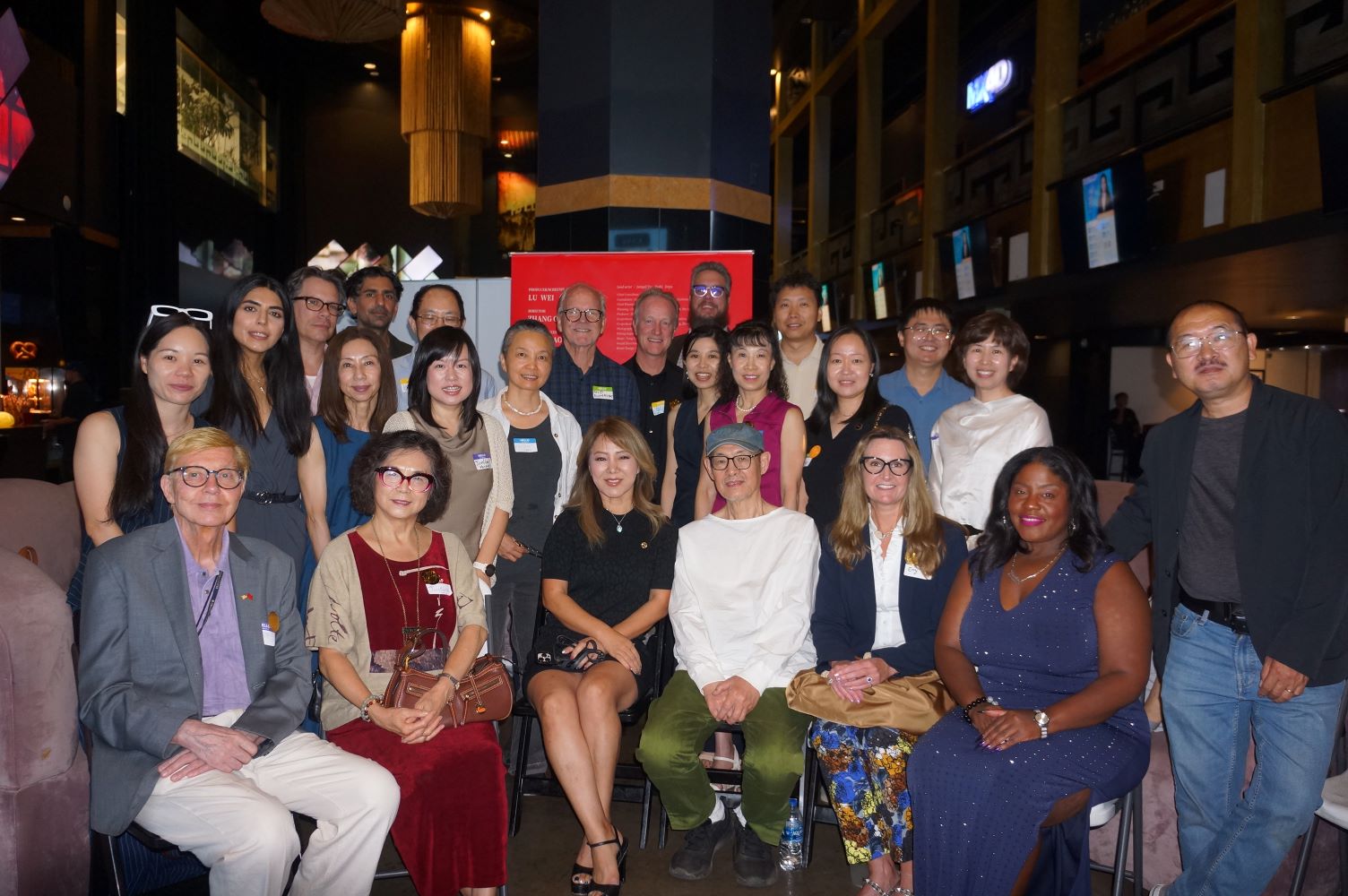
(Photo by: Richard Ren/LAPost)
The screening served not only as a showcase of Chinese cinema, but also as a fundraising event supporting the educational and cultural mission of the CSUN China Institute. Through education, academic research and community engagement, the institute promotes the study and understanding of Chinese history, culture, language and traditions while fostering cross-cultural understanding, mutual respect and international cooperation.
Set in a rural Tibetan community, The Story of Luosang follows a grandfather seeking justice after his young granddaughter is seriously injured in a tractor accident. Through the family’s struggle, the 94-minute film explores responsibility, compassion, forgiveness and justice.
The film has received international recognition, including honors and nominations at the 2022 All Asia Independent Film Festival and the 2024 New Zealand Asia Pacific Film Festival.
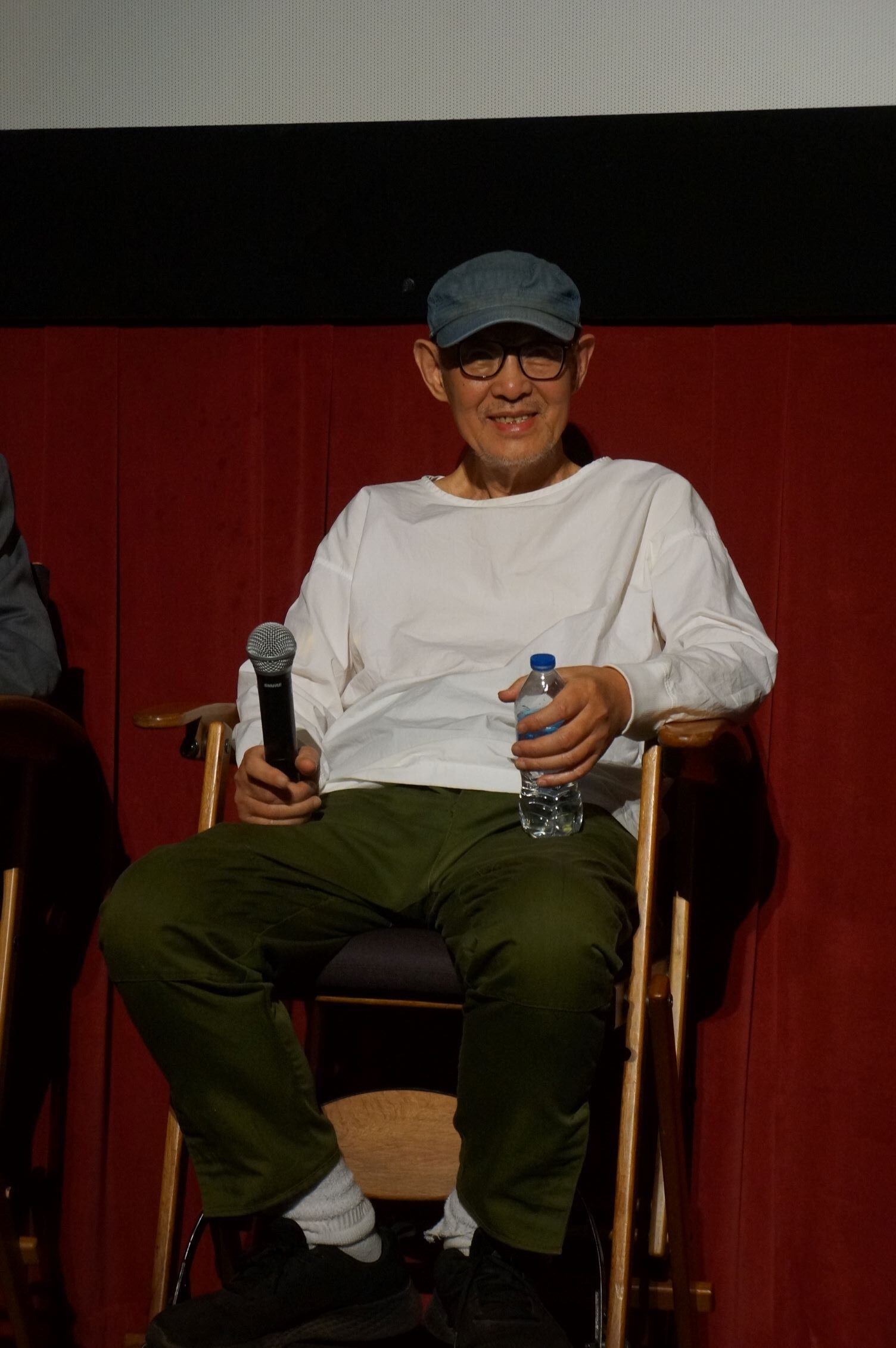
(Photo by: Richard Ren/LAPost)
Lu Wei is regarded as one of China’s most influential screenwriters, with credits including internationally acclaimed films such as Farewell My Concubine, To Live and Tuya’s Marriage. Farewell My Concubine won the Palme d’Or, the highest honor at the Cannes Film Festival.
“The Most Important Quality Is Its Authenticity”
(Photo by: Richard Ren/LAPost)
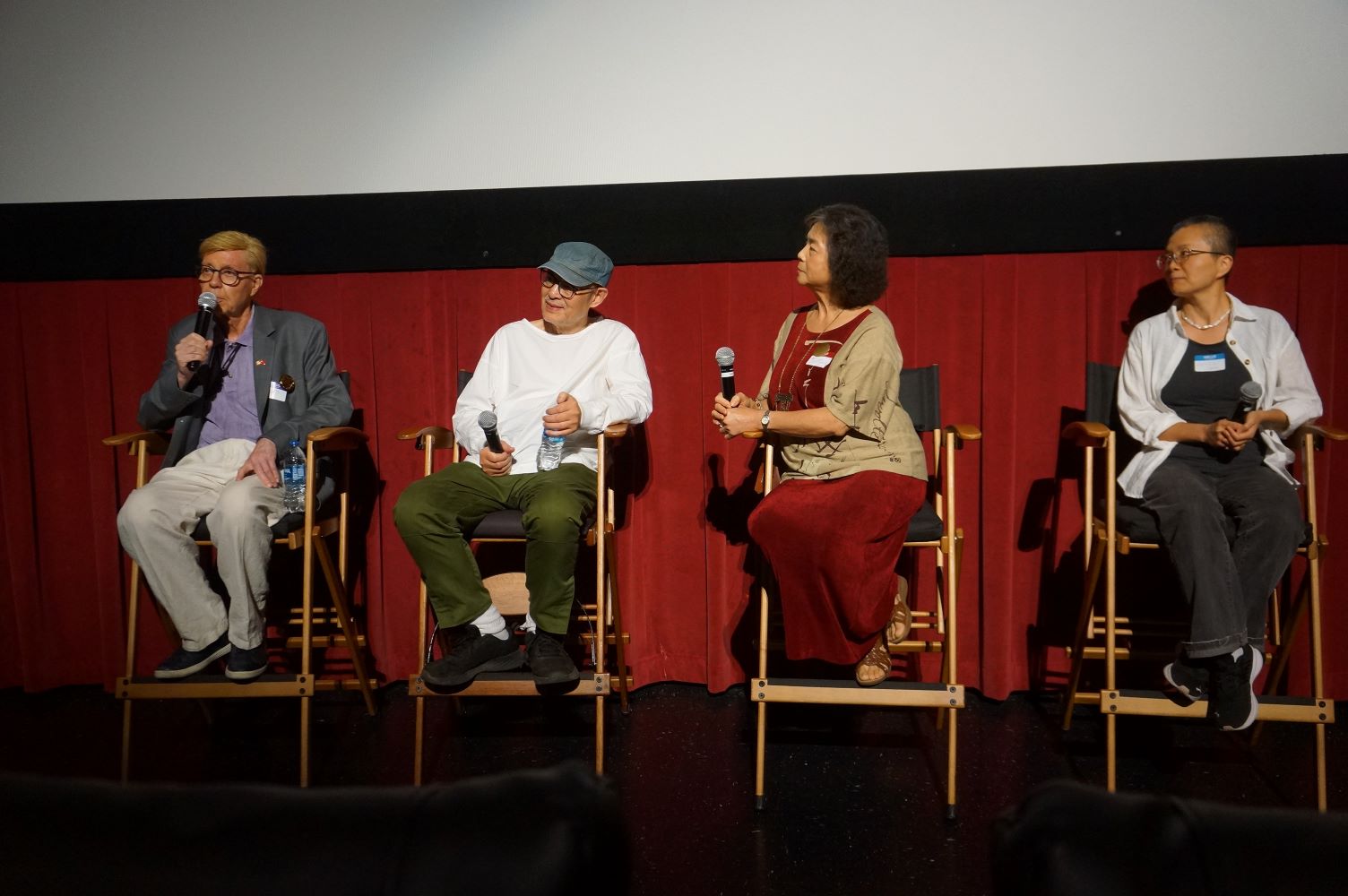
The post-screening discussion was moderated by Professor Su Zhixin, a former director of the CSUN China Institute.
Audience members asked Lu about the casting process, the locations, the film’s realism, the tension between law and personal relationships, and his approach to screenwriting.
Lu explained that most of the cast members were not professional actors but local residents. One of the principal performers is a middle-school teacher, while the actress playing the female lead is a Tibetan nurse. Several other performers were local herders.
The production team spent considerable time in the region before filming, surveying different locations and observing local life in order to find settings that would authentically serve the story.
Lu also revealed that the film was based on a true story. The director had previously made a documentary about the real events before developing the material into a feature film.
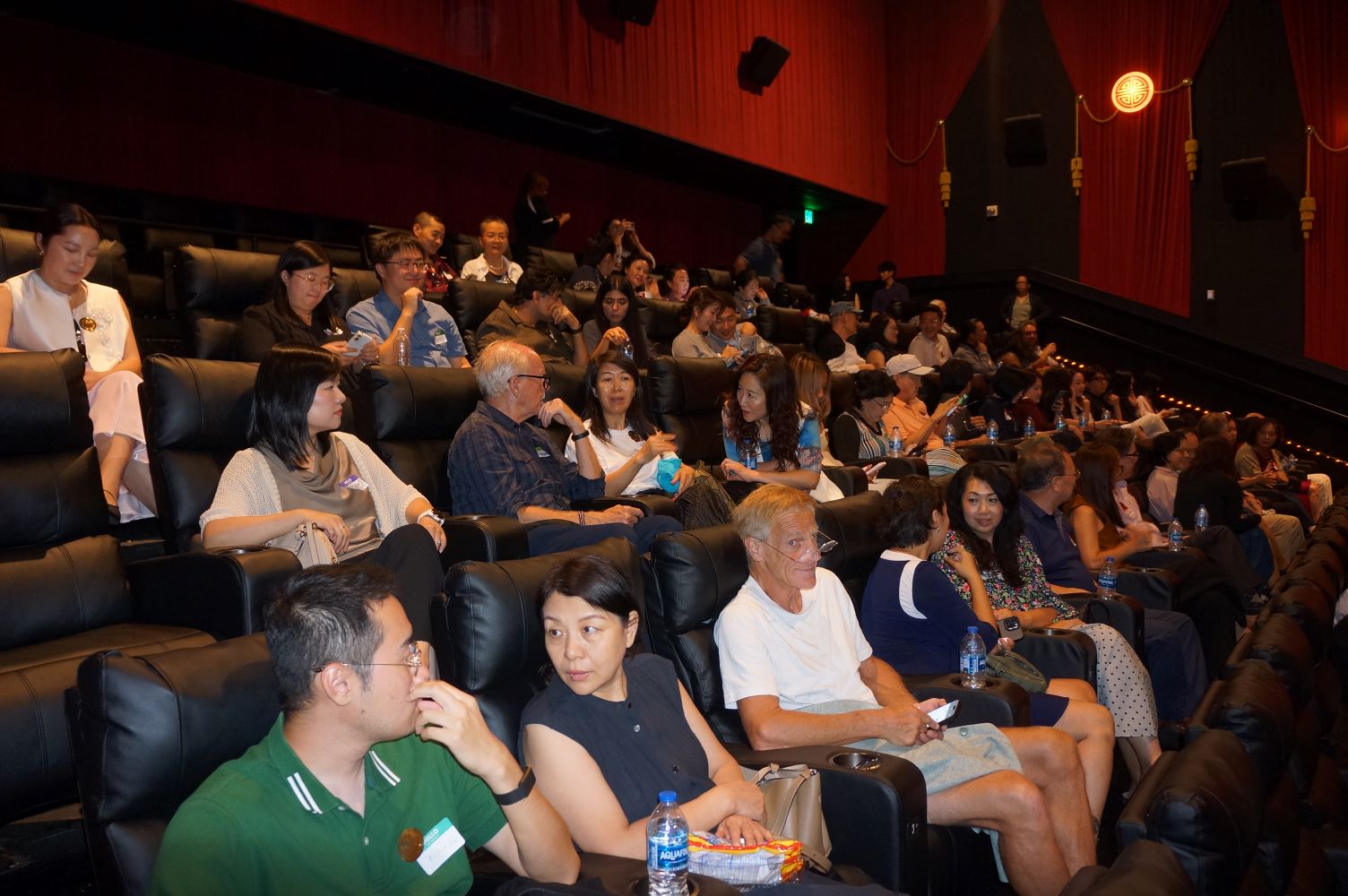
(Photo by: Richard Ren/LAPost)
For one audience member who had previously lived in a similar region of western China, the film’s greatest strength was its authenticity.
She said the movie felt deeply familiar because of its portrayal of rural life and the people living through a period of social change. Although the story is set in a Tibetan community, she argued, its themes extend far beyond one particular region and reflect experiences shared by many rural communities across China.
Leaving the Choice to the Audience
One of the most substantive discussions centered on the film’s treatment of law, family and personal relationships.
In the story, the conflict could seemingly be resolved through the legal system. Yet the film ultimately focuses on communication, family relationships and human emotion rather than offering a simple legal resolution.
Asked whether the film was intended to tell audiences what was right or wrong, Lu said he preferred to leave that judgment to the viewers.
Each character, he explained, has his or her own logic, circumstances and choices. Luosang wants to pursue legal action, while his son, daughter-in-law and other family members hold different views.
“Everyone makes different choices,” Lu said.
For him, the role of the screenwriter is not necessarily to impose a single moral answer, but to present the characters and their circumstances honestly and allow audiences to reach their own conclusions.
He emphasized that the filmmakers remained relatively faithful to the original true story, while maintaining a clear sense of the values they wanted to explore.
“If audiences can understand the film and if they like it,” he said, “then I think our original intention has been achieved.”
Language, Technology and the Distance Between Cultures
The film’s extensive use of Tibetan language also prompted a question about whether linguistic differences could create barriers for audiences unfamiliar with the region.
Lu said he had longstanding relationships with Tibetan friends and was familiar with aspects of the language and speech patterns represented in the film. He also noted that the Tibetan spoken in the film is primarily Amdo Tibetan, which differs from the language commonly associated with Lhasa.
While language barriers remain, he said, subtitles, translation and modern technology have made it increasingly possible for audiences to cross linguistic and cultural boundaries.
“Then Just Write It”
Near the end of the discussion, an aspiring writer asked Lu how ordinary people can determine whether their own stories are worth telling—and how a seemingly simple story can be transformed into something meaningful.
Lu offered a characteristically concise answer.
A writer, he said, can know what he or she wants to write and understand their own choices, but cannot predict how other people will judge or interpret the work.
“I know my own choices. I don’t know other people’s choices.”
His advice was simple:
“Then just write it.”
Only after a story has been written, he suggested, can other people decide whether it has value.
The exchange reflected one of the central ideas behind The Story of Luosang: rather than providing audiences with a predetermined answer, the film places its characters, conflicts and choices on the screen and allows viewers to interpret them through their own experiences.
Continuing CSUN China Institute’s Mission Through Film
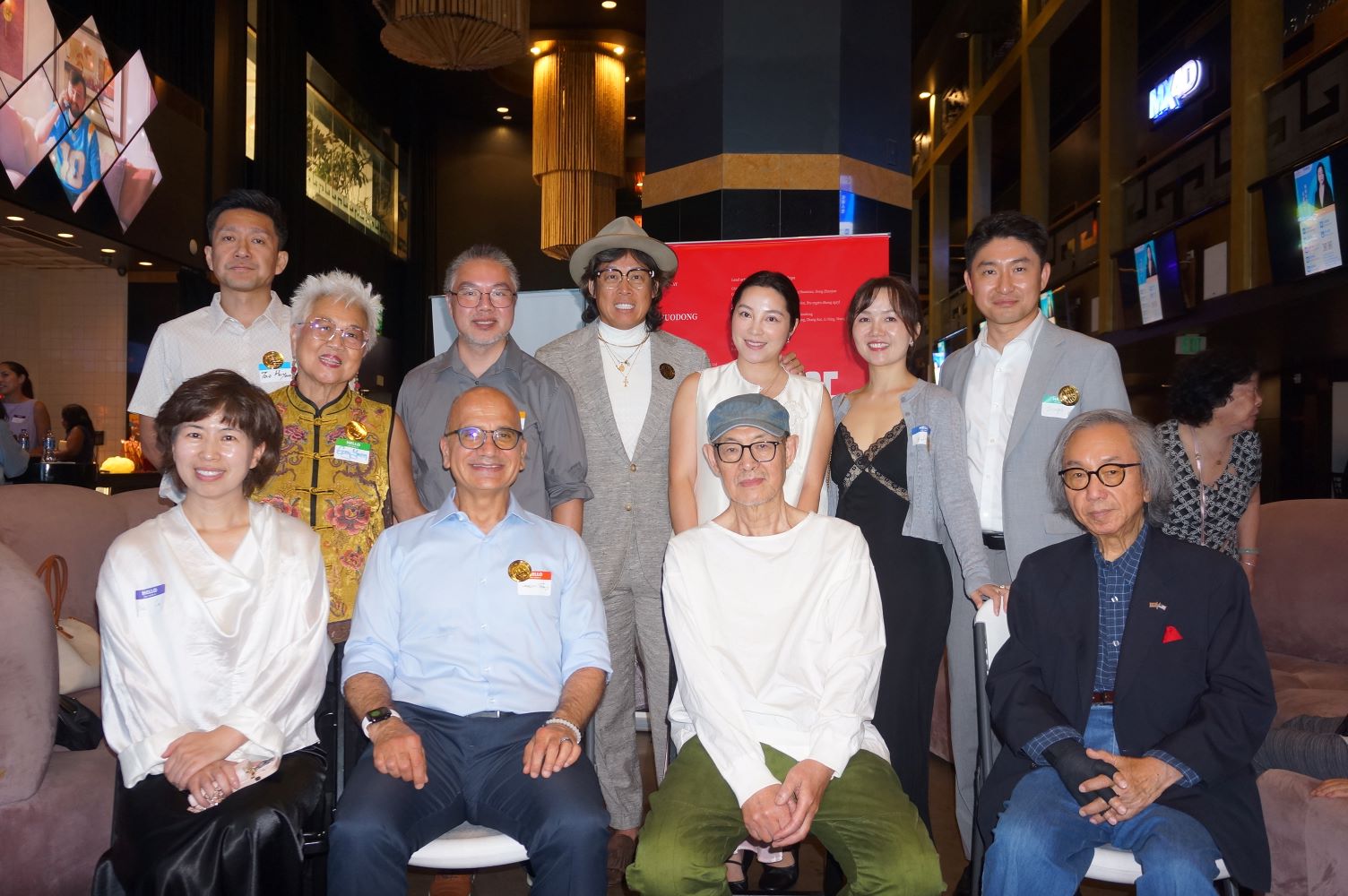
(Photo by: Richard Ren/LAPost)
The event received strong support from SurfaceOne Inc., Magic Zebra International Inc., UCA, Wheeler & Bi CPA, Delight Funding and Media, DG Investment, attorney Kathy Hao, Leo Chu and Ivy Chu, Judy Zhu, Janice Chen, and Thalia Sun, among other sponsors and individual supporters.
Since its establishment in 1982, the CSUN China Institute has developed long-term partnerships with nearly 100 leading universities in China, hosted more than 1,000 visiting scholars, and supported hundreds of American students in studying, exchanging and traveling in China.
Over the years, the institute has built a broad network of cooperation encompassing student and faculty exchanges, arts programs, educational training and cultural exchanges.
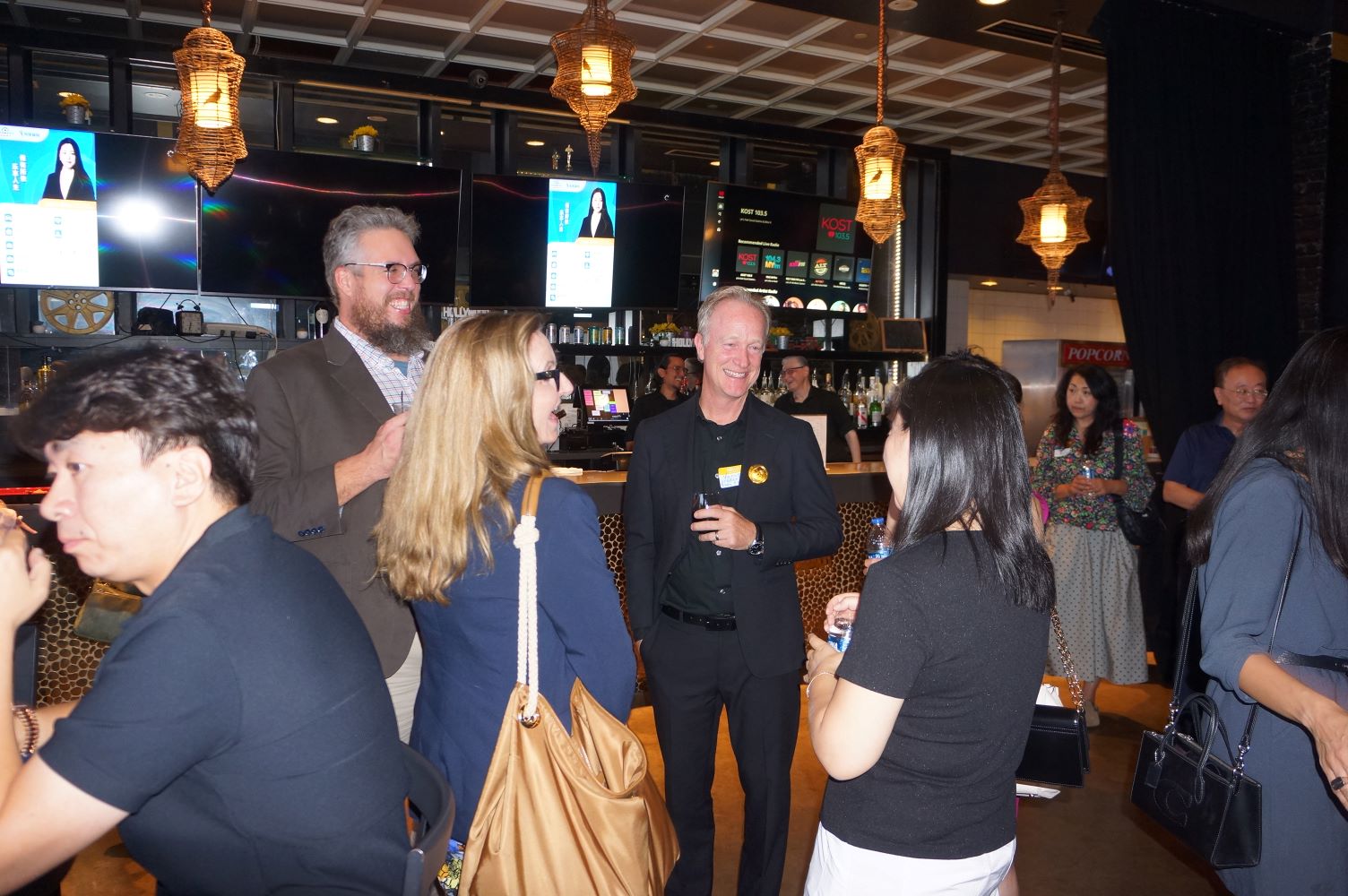
(Photo by: Richard Ren/LAPost)
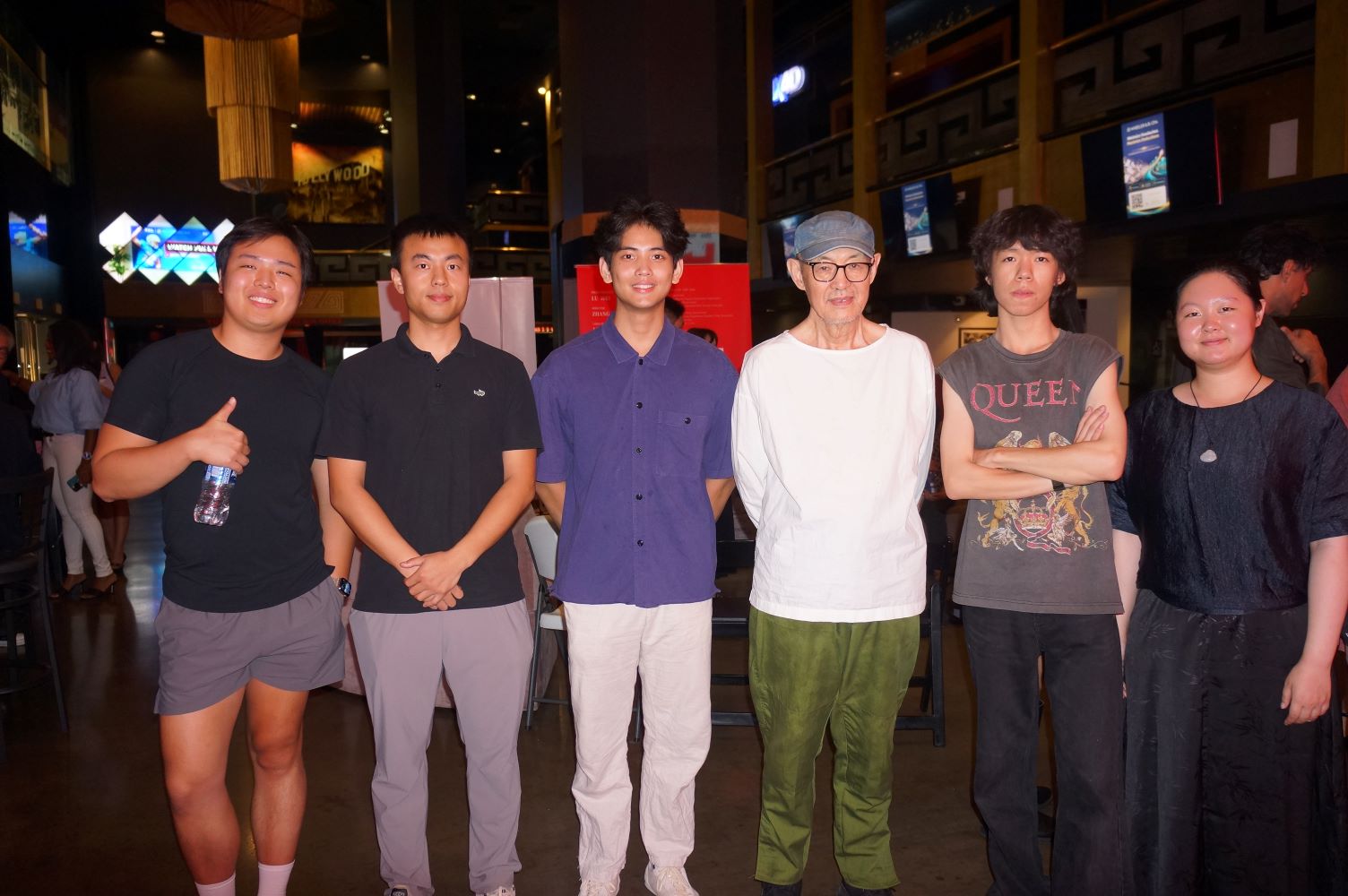
(Photo by: Richard Ren/LAPost)
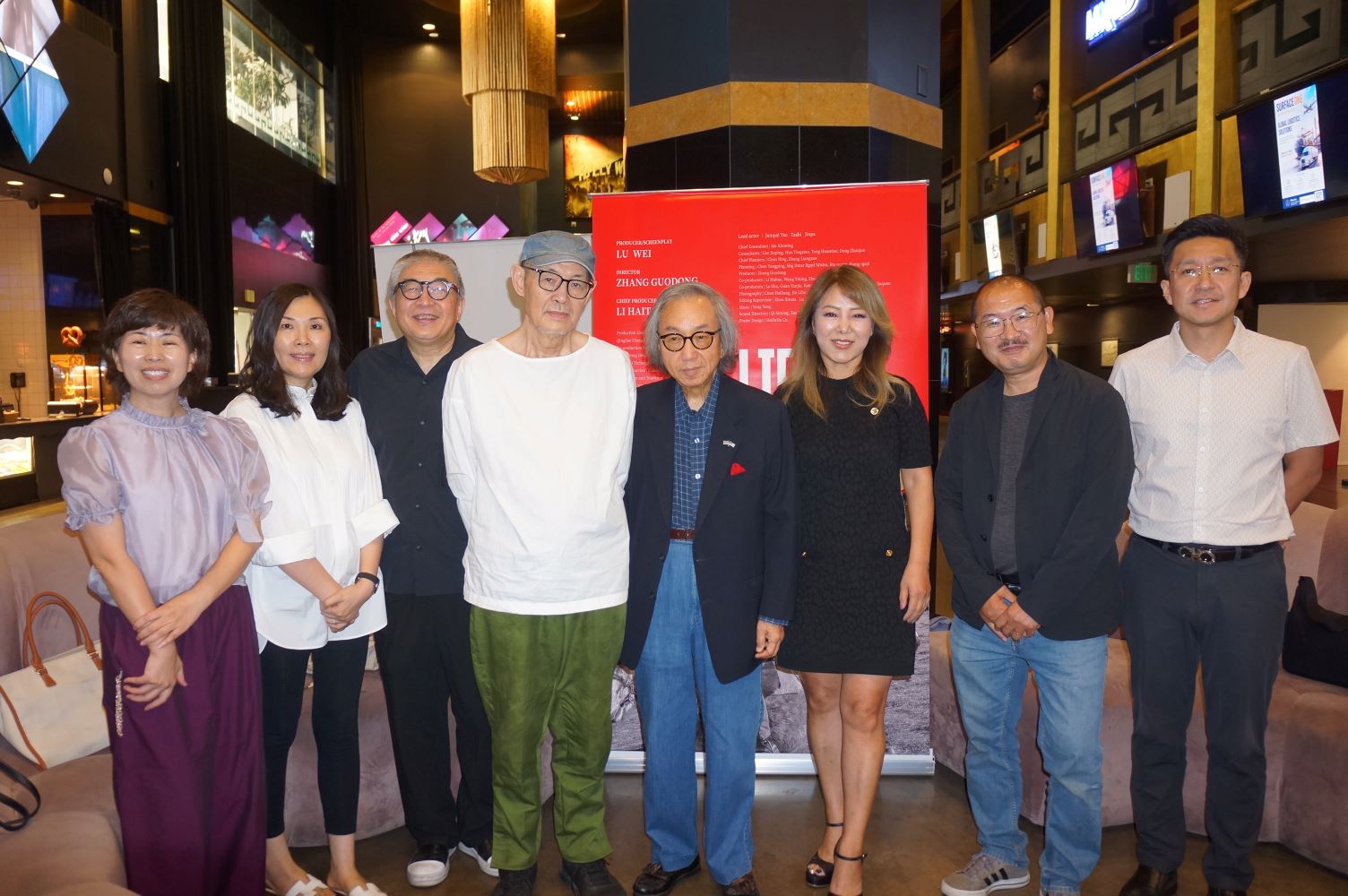
(Photo by: Richard Ren/LAPost)
In recent years, the China Institute has continued to organize Lunar New Year celebrations, academic lectures, its Tea & Talk series and arts-related charity events, while expanding its cultural reach through alumni and community partnerships.
The U.S. premiere of The Story of Luosang and the discussion with Lu Wei underscored the institute’s broader mission of using education, art and community engagement to promote cultural understanding.
With continued support from sponsors, donors and community partners, the institute plans to further expand its programs in education, cultural exchange and international dialogue, contributing to greater understanding and cooperation across cultures.